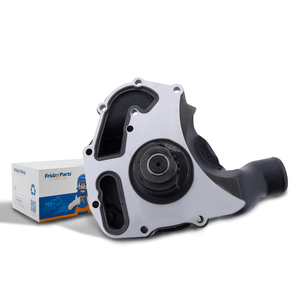
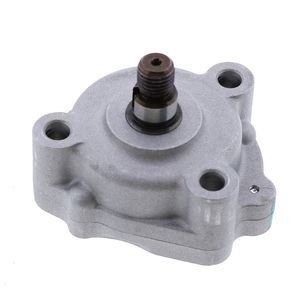
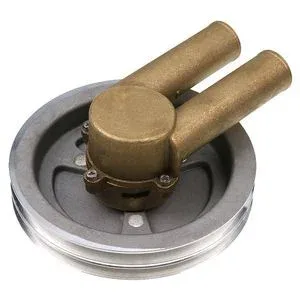
Engine Sequence Variants Verified — Housing port orientation and mounting pattern checked against 4.3L, 5.0L, and 5.7L Volvo Penta marine engine serial records before dispatch.
Technical Specifications
| Parameter |
Value |
| Part Number |
21212799/3812519 |
| Product Type |
Water Pump |
| Cross-Reference |
21212799 (reference only), 3812519 (reference only) |
| Machine Fitment |
4.3GL-G, 4.3GL-GF, 4.3GL-J, 4.3GL-JF, 4.3GL-P, 4.3GXi-225-R, 4.3Gi-200-R, 4.3GXi-F, 4.3GXi-FF, 4.3OSi-F, 4.3GXi-G, 4.3GXi-GF, 4.3OSi-G, 4.3GXi-J, 4.3GXi-JF, 4.3OSi-J, 4.3GXi-P, 4.3GXi-Q, 4.3GXiE-225-R, 4.3GXiE-M, 4.3GXiE-P, 4.3GXiE-Q, 5.0GL-J, 5.0GL-JF, 5.0GXi-270-R, 5.0GXi-F, 5.0GXi-FF, 5.0OSi-F, 5.0GXi-G, 5.0GXi-GF, 5.0OSi-G, 5.0GXi-J, 5.0GXi-JF, 5.0OSi-J, 5.0GXi-P, 5.0GXiC-270-R, 5.0GiC-225-S, 5.0GXiC-J, 5.0GXiC-JF, 5.0GiC-J, 5.0GXiC-P, 5.0GXiCE-270-R, 5.0GiCE-225-S, 5.0GXiCE-J, 5.0GXiCE-JF, 5.0GXiCE-M, 5.0GXiCE-P, 5.0GXiE-270-R, 5.0GXiE-JF, 5.0GXiE-J, 5.0OSiE-JF, 5.0GXiE-P, 5.7Gi-300-J, 5.7Gi-300-JF, 5.7OSi-300-J, 5.7Gi-300-P, 5.7GXi-P, 5.7Gi-300-R, 5.7GXi-320-R, 5.7Gi-F, 5.7Gi-FF, 5.7GXi-G, 5.7Gi-G, 5.7Gi-GF, 5.7GXi-H, 5.7GiC-300-J, 5.7GiC-300-JF, 5.7GXiC-J, 5.7GiC-300-P, 5.7GXiC-P, 5.7GiC-300-R, 5.7GXiC-320-R, 5.7GiCE-300-J, 5.7GiCE-300-JF, 5.7GXiCE-J, 5.7GiCE-300-P, 5.7GXiCE-P, 5.7GiCE-300-R, 5.7GXiCE-320-R, 5.7GiE-300-J, 5.7GiE-300-JF, 5.7GXiE-J, 5.7GiE-300-P, 5.7GXiE-P, 5.7GiE-300-R, 5.7GXiE-320-R, 5.7GiI-F, 5.7GXiI-G, 5.7GiI-G, 5.7GXiI-H, V6-200-A, V6-225-A, V6-225-E-A, V8-225-C-A, V8-225-C-B, V8-225-CE-A, V8-225-CE-B, V8-270-A, V8-270-B, V8-270-C-A, V8-270-C-B, V8-270-CE-A, V8-270-E-A, V8-270-E-B, V8-300-A, V8-300-B, V8-300-C-A, V8-300-C-B, V8-300-CE-A, V8-300-CE-B, V8-300-E-A, V8-300-E-B, V8-320-A, V8-320-B, V8-320-C-A, V8-320-C-B, V8-320-CE-A, V8-320-CE-B, V8-320-E-A, V8-320-E-B |
| Engine Fitment |
4.3L, 5.0L, 5.7L marine gasoline engines |
| Condition |
New Aftermarket |
| Flow Rate |
≥45 L/min at 2,800 RPM |
| Pressure Stability |
±0.05 bar |
| Test Protocol |
Dry-run and wet-load testing at 3,200 RPM for 45 minutes |
| Housing Material |
ASTM A48 Class 35 gray iron, 205 HB minimum hardness |
| Impeller Material |
Marine-grade 316 stainless steel |
| Shaft Runout |
≤0.03 mm TIR per ISO 21940-11 |
| Seal Specification |
ASTM D2000 CR-70, rated for oil and seawater resistance at 95°C continuous duty |
| Dimensional Tolerance |
±0.15 mm |
| MOQ |
1 piece |
| Standards |
ISO 9001, ASTM A48, ISO 21940-11, ASTM D2000, SAE J1926, ISO 8573-1 Class 3 |
| Warranty |
6 months against manufacturing defects |
Application Suitability
| Engine System |
Related Components |
| Raw-water circulation |
Heat exchanger gaskets, seawater strainer, sea cock valve |
| Exhaust manifold cooling |
Manifold end seals, riser gaskets, thermostat housing O-rings |
| Engine block cooling circuit |
Thermostat, drive belt, coolant hoses, anode plugs |
| Overhaul cooling refresh |
Complete gasket set, impeller kit, shaft seal assembly |
Why a Seawater Pump Failure Rarely Stands Alone in a Marine Engine Overhaul
A seized or underperforming seawater pump is almost always the final symptom, not the root cause.
I have handled return shipments where a brand-new Seawater Pump for Volvo Penta marine engine rebuild was pulled back out of a block within weeks. The common thread was not pump quality; it was an upstream restriction or a downstream blockage that went undiagnosed. A fouled heat exchanger, a partially collapsed sea cock hose, or accumulated calcium in the exhaust riser passages will starve or overload a new pump just as effectively as they destroyed the previous one [NEED_CITE: marine engine raw-water cooling system fault diagnosis procedures]. When a rebuild shop replaces the pump without verifying the full raw-water circuit, the new unit absorbs the same system stress and fails on the same timeline. The Seawater Pump for Volvo Penta marine engine rebuild must be evaluated as one component inside a pressurized loop, not as a standalone swap.
The Raw-Water Circuit and Where This Pump Sits
This pump handles the open-loop side of the cooling system. It draws seawater or lake water through the sea cock, pushes it through the heat exchanger to absorb jacket heat from the closed-loop coolant, then routes it through the exhaust manifolds and risers before discharging overboard. Every connection point in that path — strainer basket, hose clamps, heat exchanger tube bundle, manifold gasket surfaces — affects how hard this pump has to work. If the strainer is clogged with marine growth, the pump cavitates and the 316 stainless impeller erodes from the low-pressure side. If the exhaust riser is carbon-fouled, backpressure rises and the shaft seal absorbs excess load. During a complete engine overhaul, the Seawater Pump for Volvo Penta marine engine rebuild should arrive alongside matched gasket sets, new thermostat elements, and replacement drive belts so the entire circuit is refreshed in one service window.
Engine Serial Variants Across the 4.3L, 5.0L, and 5.7L Range
The same base displacements span multiple Volvo Penta generations — GL, GXi, OSi, GiC, GiE series and V6/V8 lettered variants — and internal coolant routing can shift between them. A 5.7GXi-320-R may share displacement with a 5.7GiE-300-R, but the housing port orientation, bolt circle, and pulley alignment can differ. The same applies across V8-320-E-A and V8-320-CE-B configurations. Engine serial numbers and suffix letters determine which physical pump variant seats correctly against the block. We cross-reference the specific engine build record to confirm housing port layout and mounting pattern before dispatch, rather than relying on displacement alone [NEED_CITE: Volvo Penta marine engine serial number identification and parts supersession records].
What the Specification Sheet Tells You About Durability
The ASTM A48 Class 35 gray iron housing provides a rigid mounting surface that resists warping under sustained thermal cycling, with a minimum 205 HB hardness protecting the gasket mating face from erosion. The marine-grade 316 stainless steel impeller resists galvanic corrosion when the pump sits idle between seasons — a common failure mode for carbon-steel or bronze impellers in seasonal charter fleets. Shaft runout held to ≤0.03 mm TIR per ISO 21940-11 means the shaft seal wears evenly rather than developing a leak path on one side. The ASTM D2000 CR-70 seal compound maintains integrity in both oil-contaminated bilge environments and direct seawater contact at sustained 95°C operating temperature. Dimensional tolerance of ±0.15 mm across the housing ensures the pump mates to the block without shimming or forced alignment, which would preload the bearings and shorten service life.

The Cost of Skipping System-Level Diagnosis Before Pump Replacement
When a rebuild shop installs a new pump onto a circuit with unresolved upstream restrictions, the failure cycle repeats. Impeller cavitation recurs. Shaft seals weep within the first season. Cylinder heads overheat because flow volume never reached design rate, and the thermostat — blamed for the symptom — gets replaced next, still without solving the root restriction. Shops that skip system-level diagnosis end up processing warranty returns instead of completing reliable overhauls [NEED_CITE: marine engine cooling system repeat failure root cause analysis]. The hidden cost is not the second pump; it is the vessel downtime, the customer relationship damage, and the labor hours consumed by a repair that should have been finished once.
Why Source This Pump Through Our Engine System Supply Chain
Our own production lines and qualified sourced supply operate under a single warranty account, so a pump and its matched overhaul gasket set carry identical QC terms. Eight product categories across engine, hydraulic, electrical, undercarriage, cabin, seal, tool, and general spares mean a complete cooling system refresh ships as one consignment. Minimum order starts at one piece, supporting emergency single-engine rebuilds and full fleet overhaul programs equally. Our Guangzhou warehouse stocks fast-moving marine engine cooling components for rapid dispatch on common variants. Part identification works from reference number, engine model, photograph, or nameplate image — whichever starting point the buyer has available. Cross-reference verification covers superseded and alternate numbers, and sample units are available for fitment confirmation before bulk commitment on multi-engine projects.
Documentation & Verification
- Commercial invoice and packing list itemizing each pump variant by engine serial range
- Compatibility and cross-reference sheet for 21212799 and 3812519, marked reference only
- Quality inspection record covering flow rate, pressure stability, and seal integrity test results
- Warranty terms document specifying six-month manufacturing defect coverage
- Packing photographs showing housing condition and impeller inspection before crate closure
- HS code and customs documentation support for international marine parts shipments
Installation & Rebuild Sequence
- Flush the raw-water circuit completely before mounting the new pump to prevent debris ingestion
- Verify shaft alignment with the drive pulley before torquing housing bolts to block
- Install new shaft seal and gasket set — never reuse the previous seal surface
- Prime the pump housing with water before first cranking to prevent dry-run impeller damage
- Run at idle for initial warm-up, then check all hose connections for weeping under pressure
- Inspect the seawater strainer and heat exchanger tube bundle as part of the same service event
Requesting a Fitment-Confirmed Quote
Provide your exact engine model and suffix designation — for example, 5.7GXiCE-320-R or V8-300-E-B — along with engine serial number and any known rebuild history. If the nameplate is corroded or illegible, a photograph of the existing pump housing, mounting face, and port layout allows our technical team to verify the correct variant. For rebuild shops planning multi-engine programs, share your engine roster so we can consolidate matched pump and gasket sets into a single shipment schedule.

Frequently Asked Questions
Q: What other cooling system components should be replaced together with the seawater pump during an overhaul?
A: The thermostat, heat exchanger gaskets, exhaust manifold end seals, drive belt, and shaft seal assembly should all be refreshed in the same service window. Reusing aged gaskets or a worn drive belt against a new pump introduces leak paths and load imbalances that compromise the entire cooling circuit before the next scheduled maintenance interval.
Q: How do I confirm which pump variant fits my specific engine model and serial number?
A: Provide the full engine designation including suffix letters — such as 4.3GXiE-225-R or V8-270-CE-A — and the engine serial number. Our technical team cross-references these against housing port orientation, bolt circle, and pulley alignment records to verify the correct physical variant before dispatch.
Q: My engine has been rebuilt before — does that affect which seawater pump I need?
A: Previous rebuilds may have introduced non-standard block machining, aftermarket thermostat housings, or modified exhaust routing that changes pump interface requirements. Share your rebuild history and any known modifications so we can verify dimensional compatibility and recommend the appropriate seal compound and gasket thickness.
Q: What system-level fault might have caused the original pump to fail, and how do I address it?
A: Common root causes include blocked raw-water strainers, partially collapsed sea cock hoses, fouled heat exchanger tube bundles, and carbon buildup in exhaust risers. Each creates either cavitation or backpressure that destroys pump internals. Inspect the full raw-water circuit during the pump replacement to prevent repeat failure within the same season.
Q: Can I get a sample unit for fitment verification before committing to a bulk order for my rebuild shop?
A: Sample units are available for fitment confirmation on your specific engine block before you commit to a multi-unit order. This is standard practice for shops managing fleet overhauls across mixed Volvo Penta engine generations, ensuring housing port layout and mounting pattern match before the full consignment ships.