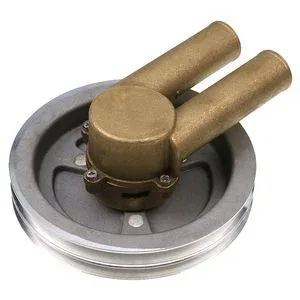
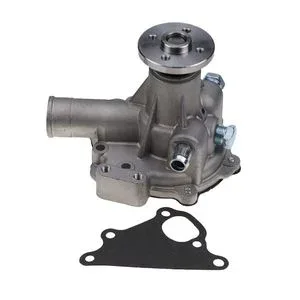
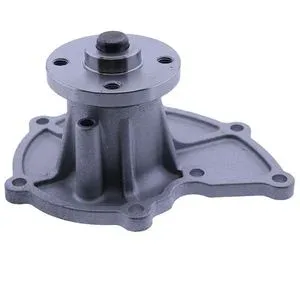
Matched Sets Shipped — Every sea water pump pulley is verified against the specific engine serial variant to ensure belt-drive geometry aligns with the cooling circuit rebuild kit.
Technical Specifications
| Parameter |
Value |
| Product Type |
Water Pump |
| Part Name |
Double V-Belt Sea Water Pump Pulley |
| Cross-Reference |
21214596 (reference only), 3858229 (reference only), 3862487 (reference only), 3812697 (reference only) |
| Machine Fitment |
4.3GIJWTR, 4.3GiPEFS, 4.3GIPWTC, 4.3GIPWTR, 4.3GL-A, 4.3GL-B, 4.3GL-C, 4.3GL-D, 4.3GLPEFS, 4.3GLPWTC, 4.3GLPWTR, 4.3GSJWTR, 4.3GSPWTC, 4.3GSPWTR, 5.0GiPEFS, 5.0GiPWTR, 5.0GL-A, 5.0GL-B, 5.0GL-C, 5.0GL-D, 5.0GL-E, 5.0GLPEFS, 5.0GLPWTR, 5.7GL-A, 5.7GL-B, 5.7GL-C, 5.7GL-D, 5.7GL-E, 5.7GSIPEFS, 5.7GSIPWTR, 5.7GSiPWTRCE, 5.7GSPEFS, 5.7GSPWTR |
| Brand Compatibility |
Designed to replace components found in Volvo Penta marine applications |
| Material |
High-strength cast iron with controlled graphite morphology |
| Surface Treatment |
Zinc-nickel plating (15 μm minimum) |
| V-Groove Tolerance |
±0.05 mm on depth and angle |
| Surface Hardness |
190–220 HB |
| Bore Concentricity |
≤0.03 mm |
| Face Runout |
≤0.05 mm |
| Salt-Spray Resistance |
Exceeding 500 hours per ASTM B117 |
| Condition |
New Aftermarket |
| Warranty |
3–12 months against manufacturing defects |
| MOQ |
1 piece |
Application Suitability
| Engine System |
Related Components |
| Raw Water Cooling Circuit |
Sea water pump assembly, impeller, wear plate, seal kit |
| Front Belt Drive Group |
V-belts, tensioner, crankshaft pulley, alignment shims |
| Heat Exchanger Loop |
Thermostat, heat exchanger gaskets, coolant hoses |
Why the Belt-Drive Matters in a Cooling Overhaul
A cooling system rebuild is incomplete if the driving hardware is ignored.
When I worked in a Jakarta shipyard servicing Volvo Penta 4.3L blocks, I watched a crew spend two days replacing a sea water pump only to have the new impeller destroyed within a week. The root cause was not the pump; it was a worn pulley with excessive face runout that threw the belt off-track under load. In my experience moving from procurement to the supply side, I have seen this scenario repeat across fishing fleets and workboats. A sea water pump pulley that fails concentricity checks introduces harmonic vibration that destroys pump bearings [NEED_CITE: marine engine vibration analysis and bearing fatigue]. This replacement for 21214596 and 3858229 addresses the system-level cause of cooling failure rather than just the symptom.
The Role of the Pulley in the Raw Water System
The double V-belt sea water pump pulley transmits crankshaft torque directly to the raw water pump, which provides the primary cooling flow for the engine. If the groove geometry is compromised or the bore is out of concentricity, the belt will slip or track unevenly. This leads to reduced pump RPM, causing the engine to run hotter than the thermostat setting. In a complete engine rebuild, matching the pulley condition to the new pump and belt set is a standard procedure to ensure the cooling system operates within design tolerances.
Addressing the Root Cause of Pump Failure
Replacing a failed water pump without inspecting the pulley is a common mistake in marine workshops. Groove wear, often invisible to the naked eye, changes the belt seating depth and alters the effective drive ratio. By installing a new sea water pump pulley with verified runout and groove tolerances, technicians eliminate the misalignment that typically causes premature seal leakage and impeller wear. This approach prevents the "second teardown" where a mechanic must return to the same job because the supporting hardware was not renewed [NEED_CITE: marine cooling system failure modes and root cause analysis].
Dimensional Standards and Material Integrity
The cast iron construction with controlled graphite morphology provides the necessary mass to dampen torsional vibration from the crankshaft. The zinc-nickel plating, applied to a minimum of 15 μm, is critical for marine environments where salt spray accelerates corrosion on unprotected ferrous components. Holding the V-groove tolerance to ±0.05 mm ensures that the belt sits at the correct depth, maintaining uniform contact pressure across the flanks. Bore concentricity of ≤0.03 mm is essential for preventing the "wobble" that leads to belt throwing at high RPM.

The Cost of Overlooking the Drive Hardware
I once sourced pistons and liners separately for a different project, and the mismatched tolerance grades forced a complete teardown. The same logic applies to the cooling drive. If a pulley is out of balance or the bore is oversized, it will accelerate wear on the new pump bearings and belts. The cost of the pulley is minor compared to the labor required to access the front of the engine again. Furthermore, a slipping belt reduces raw water flow, potentially leading to heat exchanger fouling and long-term degradation of the engine block.
Supply Chain Capabilities for Rebuild Centers
XUNPO maintains a focus on system-level supply for engine rebuilders. Whether you are servicing a single 5.7GL or a fleet of 4.3GSPWTR units, the ability to source the pulley, belts, and pump seal kits under one account simplifies procurement. We verify cross-reference numbers, including superseded references like 3862487 and 3812697, to ensure the part matches the specific engine serial range. Our technical team can confirm fitment based on machine model or photographs of the original nameplate. Samples are available for fitment confirmation before bulk commitment, ensuring the bore and offset match the existing bracketry [NEED_CITE: aftermarket cross-reference verification standards].
Documentation & Verification
- Commercial invoice and packing list detailing part numbers and engine compatibility.
- Cross-reference sheet mapping 21214596 and 3858229 to specific serial ranges (reference only).
- Dimensional inspection records for bore concentricity and face runout.
- Warranty terms covering manufacturing defects for 3 to 12 months.
- Packing photographs showing zinc-nickel coating integrity before crating.
- HS code and customs documentation support for international marine freight.
Installation & Rebuild Sequence
- Clean the crankshaft or spacer sleeve mating surface to ensure zero debris affects concentricity.
- Verify the bore diameter matches the shaft specification before pressing or bolting the sea water pump pulley.
- Check belt alignment using a straightedge across the crankshaft and pump pulley faces.
- Torque the retaining fastener to the engine manufacturer specification to prevent fretting.
- Run the engine at idle to verify belt tracking before applying load.
Requesting a Compatibility Check
To ensure this pulley matches your specific cooling system configuration, please provide the full engine model (e.g., 5.7GSiPWTRCE) and the serial number from the nameplate. If the plate is missing, clear photographs of the existing pulley profile and the pump mounting bracket help our team verify the offset and groove count. Mention any previous rebuild history, as aftermarket spacers or modified brackets may require a variant with specific dimensions.
Frequently Asked Questions
Q: What other cooling system components should be inspected when replacing this pulley?
A: When the belt drive is exposed, inspect the V-belts for glazing, the tensioner for bearing play, and the sea water pump impeller and wear plate. It is standard practice to replace the belts and the pump seal kit concurrently to ensure the new pulley operates in a matched system without contamination from failing adjacent parts.
Q: How do engine serial variants affect fitment within the 4.3L/5.0L/5.7L range?
A: Production changes over the years mean that bracket offsets and shaft diameters can vary between early and late serial numbers. We cross-reference the engine serial to ensure the bore size and pulley offset match the specific engine build, preventing alignment issues that a generic "fits all" listing might overlook.
Q: What causes premature belt wear after a cooling system rebuild?
A: Premature wear is often caused by pulley misalignment or groove wear on reused hardware. If the new sea water pump pulley is not seated squarely or if the belts are mismatched in length, one belt carries the entire load, leading to rapid degradation and potential overheating under marine operating conditions.
Q: Are superseded reference numbers included in your verification?
A: Yes, our cross-reference database includes superseded and alternate numbers such as 3862487 and 3812697. We verify these against the engine service manual data to ensure that a part number no longer listed in current catalogs is still correctly identified for your specific engine application.
Q: What inspection documentation is provided with the shipment?
A: Each unit is accompanied by a quality inspection record confirming bore concentricity, face runout, and groove dimensions. We also provide a compatibility sheet and packing photographs, ensuring the buyer has a complete technical record for their maintenance logs and classification society surveys.