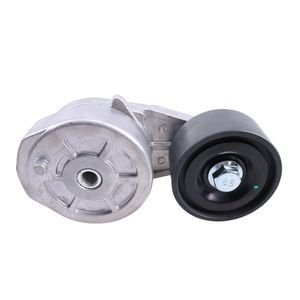
Engine Serial Variants Confirmed — Each tensioner is matched to F4DFE and F4HFE engine family codes before dispatch, preventing variant mismatch during overhaul planning.
Technical Specifications
| Parameter |
Value |
| Part Number |
504315786, 504028028, 87803067, 2856945, 4892866, 504315781, 534026610, 2855622, 2852161 |
| Product Type |
Belt Tensioner |
| Cross-Reference |
504315786, 504028028, 87803067, 2856945, 4892866, 504315781, 534026610, 2855622, 2852161 (reference only) |
| Machine Fitment |
T6080, T6090, T7.170, T7.185, T7.200, T7.210, TS6030, TS6.110, TS6.120, TS6.125, TS6.140, TS100A, TS100A STANDARD, TS115A, TS115A STANDARD, TS125A, TS130A STANDARD, TS135A, T6010, T6020, T6030, T6040, T6050, T6060, T6070, TV6070, U80B, B90B, B95, B95B, B95BLR, B95BTC, B95LR, B95TC, B100B, B100BLR, B100BTC, B110, B110 TIER 3, B110B, B110BTC, B115, B115 TIER 3, B115B, LB75.B, LB90.B, LB110.B, LB115.B 4WS, C190, L190, LS190.B, LT190.B, HW305, HW305S, HW325 |
| Engine Compatibility |
F4DFE4131 B007/B008, F4DFE4132 B005/B006, F4DFE4133 B007/B008, F4DFE4134 B006, F4DFE413R/S/T/U B003/B002, F4DFE6132 B007, F4DFE613B A004, F4DFE613G/J/K/M B006/B008/B003, F4HFE413P A001, F4HFE613B/H/J/K B006/B003/B005/B002, F4GE0454E D666, F4GE0484G D666 |
| Condition |
New Aftermarket |
| Warranty |
3–12 months against manufacturing defects |
| Housing Material |
Heat-treated alloy steel |
| Bearing Grade |
ABEC-3 sealed ball bearings |
| Surface Treatment |
Zinc-nickel plating |
| Standards |
ISO 9001, SAE J1927 |
Application Suitability
| Engine System |
Related Components |
| Front accessory belt drive |
Alternator pulley, water pump pulley, fan drive hub, serpentine belt |
| Engine overhaul refresh |
Overhaul gasket set, main and rod bearings, piston ring set, belt kit |
| Charging and cooling circuit |
Alternator, water pump, AC compressor clutch pulley |
| Scheduled maintenance replacement |
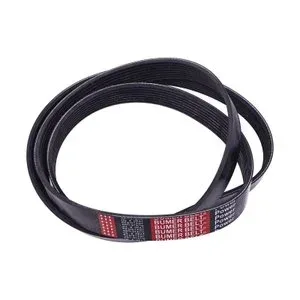
Belt tensioner, idler pulleys, drive belts as a matched set |
Why the Wrong Tensioner Variant Survives the First Start-Up
A belt tensioner engine rebuild replacement that fits physically but not functionally reveals itself weeks after reassembly, not on the test bench.
When a rebuild kit ships without a tensioner, or a previous overhaul altered the belt routing path, the incorrect variant often seats and turns without obvious complaint during initial run-in. The charging system may appear functional, coolant temperature stays within range, and the engine passes a standard post-rebuild inspection. Then, after two hundred hours of variable-load agricultural work, the alternator begins dropping voltage under PTO engagement, or the water pump impeller starves at rated RPM [NEED_CITE: engine accessory drive torsional vibration analysis under variable load]. I have seen a T7.210 return with a destroyed tensioner bearing and a scored pivot shaft after the shop replaced only the tensioner without checking pulley runout on the adjacent water pump. The root cause was not the part itself — it was misalignment carried forward from a component that was not on the replacement list.

The Belt Drive System as Part of the Overhaul Sequence
This belt tensioner sits at the intersection of three engine subsystems: the charging circuit driven through the alternator, the cooling circuit through the water pump, and the cab climate circuit through the AC compressor. During a belt tensioner engine rebuild replacement, the component must be evaluated alongside every pulley it contacts. A worn alternator pulley bearing or a water pump shaft with measurable lateral play will transfer vibration into the tensioner pivot, shortening its service life regardless of bearing grade. The rebuild shop that replaces the tensioner as part of a system-level assessment — checking pulley alignment, verifying belt routing against the engine serial code, and confirming accessory drive mounting face condition — avoids the comeback that a parts-only replacement creates.
Engine Serial Codes Determine the Correct Variant
The F4DFE and F4HFE engine families span multiple displacement configurations and emission tiers across the New Holland T6080, T7.210, and backhoe loader lines. Within these families, the belt routing path, pulley diameter, and tensioner arm geometry change between serial variants [NEED_CITE: engine serial variant identification for belt drive configuration]. A tensioner that physically bolts on to a B007 code engine may sit at the wrong arm angle on a B003, leaving the belt under-tensioned at idle and over-tensioned under load. Confirming the engine code plate before selecting from the cross-reference list prevents this mismatch. When the code plate is painted over or illegible, providing a photograph of the existing tensioner arm and the adjacent pulley arrangement allows the correct variant to be identified without guessing.
Reading the Specifications for Field Relevance
The heat-treated alloy steel housing resists the cyclic bending loads that a cast iron arm would accumulate as fatigue cracks over thousands of engagement cycles. ABEC-3 sealed ball bearings maintain dimensional tolerance under the lateral loads imposed by a serpentine belt running at agricultural engine speeds, where dust and chaff infiltration is constant. Zinc-nickel plating on the housing and arm surfaces provides corrosion protection that extends beyond the zinc-only coatings common on lighter-duty tensioners, which matters when the machine sits outdoors between harvest seasons. These material choices address the specific failure modes seen in continuous-duty agricultural engines: pivot shaft wear, bearing seizure from contamination, and housing fatigue at the mounting boss [NEED_CITE: belt tensioner bearing failure modes in off-highway diesel applications].
The Cost of Skipping the System-Level Check
Replacing a failed tensioner without inspecting the belt drive system that killed it guarantees a return visit. A misaligned alternator bracket from a previous repair, a water pump with a wobbling shaft, or a fan hub with worn splines each transfer destructive forces into the new tensioner pivot. The shop that installs a fresh unit and closes the hood has not solved the problem — it has started a countdown. Within one service interval, the bearing degrades, the arm develops play, belt slip increases, and the operator reports the same charging fault or overheating symptom that triggered the original repair [NEED_CITE: root cause analysis for repeat belt drive component failure]. The hidden cost is not the second tensioner — it is the second teardown, the second round of machine downtime, and the customer who stops calling.
What This Supply Chain Covers
Self-produced and qualified-sourced belt drive components carry identical warranty terms under one account, so an overhaul kit and its tensioner ship from a single quality standard. Eight product categories allow the belt tensioner, matching belts, gasket sets, and adjacent pulleys to consolidate into one dispatch. One-piece minimum order means a single emergency tensioner ships without forcing a bulk commitment. Guangzhou warehouse stock on common variants enables fast dispatch for the engine codes that appear most frequently in the field. Part identification proceeds from engine serial code, machine model, a photograph of the worn unit, or a nameplate image. A technical team verifies cross-reference applicability and confirms engine variant matching before the order is packed. Sample units are available for fitment confirmation before a workshop commits to stocking for a fleet rebuild program.
Documentation & Verification
- Commercial invoice and packing list itemizing each tensioner variant by engine code
- Cross-reference sheet mapping part numbers to specific F4DFE and F4HFE serial codes (reference only)
- Dimensional and bearing function inspection record for each unit before dispatch
- Warranty terms covering manufacturing defects for three to twelve months post-installation
- Packing photographs confirming unit condition and labeling at time of shipment
- HS code and customs classification support for cross-border engine parts import
Installation & Rebuild Sequence
- Verify engine serial code against the tensioner variant before opening the packaging
- Inspect all adjacent pulleys for lateral runout and bearing play before fitting the new tensioner
- Clean the mounting face and confirm bolt torque to the engine manufacturer specification
- Route the belt per the diagram for the specific engine code, not from memory of a previous build
- Run the engine at idle for a break-in period and check belt tracking across all pulleys
- Re-check tensioner arm position after the first fifty hours of operation under load
Before You Send the Inquiry
Provide the engine serial code or engine family designation (F4DFE, F4HFE, or F4GE series) along with the machine model. If the code plate is unreadable, a photograph of the existing tensioner arm, the adjacent pulley layout, and any visible casting numbers on the old unit enables accurate variant identification. For overhaul planning, share the full engine rebuild parts list so the belt drive components can be matched and consolidated into one shipment with correct cross-reference verification.
Frequently Asked Questions
Q: What other belt drive components should be replaced together during an engine overhaul?
A: During an overhaul, the serpentine belt, all idler pulleys, and the tensioner should be treated as a matched set. Adjacent components like the alternator pulley bearing and water pump shaft should be inspected for play and runout. Replacing only the tensioner while leaving worn pulleys in place transfers vibration into the new unit, shortening its service life and causing a repeat failure before the next scheduled maintenance interval.
Q: How do I confirm which tensioner variant matches my engine serial code?
A: The engine code plate, typically located on the valve cover or block, identifies the specific build variant within the F4DFE or F4HFE family. Cross-referencing this code against the tensioner part list determines the correct arm geometry and belt routing path. When the plate is illegible, a photograph of the existing tensioner and surrounding pulley arrangement allows the correct variant to be identified visually.
Q: Are the multiple cross-reference numbers interchangeable or engine-specific?
A: The listed cross-reference numbers (reference only) cover different production runs and engine serial variants within the New Holland range. They are not universally interchangeable — a number that fits a B007 engine code may not match the arm geometry required by a B003 variant. Each number must be verified against the specific engine serial code before ordering to prevent a fitment mismatch.
Q: What system-level faults should be checked when replacing a failed tensioner?
A: Inspect the alternator mounting bracket for alignment, check every pulley for lateral runout and bearing play, and verify the fan hub spline condition. Belt misalignment from a previous repair or a worn accessory drive component often causes the tensioner failure in the first place. Addressing only the tensioner without correcting the root cause leads to repeat failure within one service interval.
Q: Can I get a sample to verify fitment before committing to a bulk engine rebuild order?
A: Sample units are available for fitment confirmation before a workshop commits to stocking for a fleet overhaul program. The sample allows the rebuild team to verify arm geometry, mounting pattern, and belt routing against the specific engine serial code in the shop, reducing the risk of a variant mismatch across a multi-unit rebuild order.