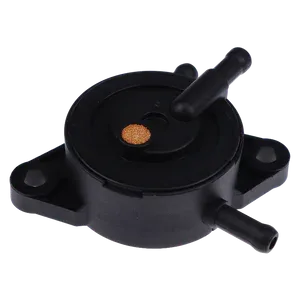
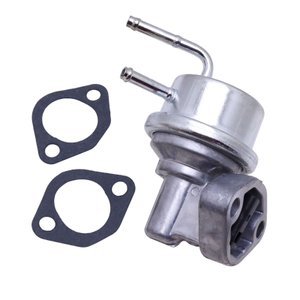
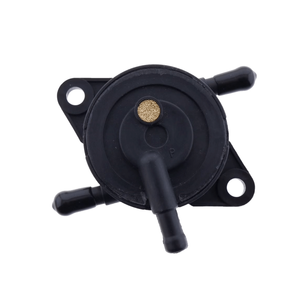
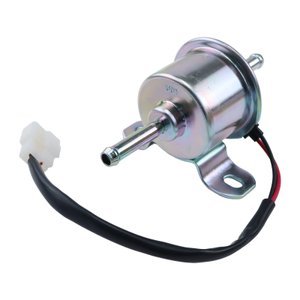
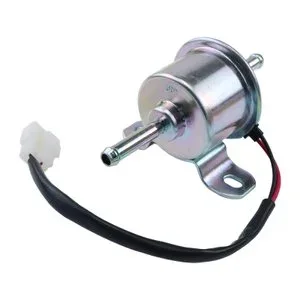
Matched Set Dispatch — Every vacuum fuel pump 808492 808656 ships alongside verified filter, line, and carburetor references so the entire fuel circuit rebuild leaves our Guangzhou warehouse as one consignment.
Technical Specifications
| Parameter |
Value |
| Part Number |
808492 808656 |
| Product Type |
Vacuum Fuel Pump |
| Cross-Reference |
491922, 692313, 691034, BS-491922, BS-808656, 597338, LG808656, M138498, M145667, 24 393 04-S, 24 393 16-S, 16700-Z0J-003, 16700-ZL8-013, 190 248 (for identification purposes) |
| Machine Fitment |
Briggs & Stratton Horizontal Engine 161432 series, 161430 series; Craftsman 10,000 Watt Portable Generator 580.327201; White Outdoor ZT-50, ZT-54 |
| Fuel Line Size |
1/4 inch |
| Pump Type |
Vacuum |
| Ethanol Compatibility |
Not compatible with greater than 10% ethanol fuel |
| Condition |
New Aftermarket |
| Warranty |
3-12 months against manufacturing defects |
| Standards |
ISO 9001 |
Application Suitability
| Engine System |
Related Components |
| Fuel delivery circuit |
Carburetor, inline fuel filter, fuel line hose, vacuum hose to crankcase |
| Crankcase pulse source |
Crankcase breather port, vacuum pulse fitting, check valve |
| Tank-to-pump supply |
Fuel tank pickup, sediment bowl, shutoff valve, primer bulb |
| Air intake overlap |
Air filter element, carburetor gasket, choke linkage |
When One Pump Failure Signals a Wider Fuel System Problem
A Vacuum Fuel Pump 808492 808656 rarely fails in isolation — cracked vacuum lines, ethanol-degraded hose, and clogged sediment bowls are usually the root cause.
Replacing the pump alone without tracing the vacuum pulse path back to the crankcase fitting often produces the same symptom within weeks. I have opened too many Briggs & Stratton horizontal engines where the diaphragm was intact but the vacuum hose had collapsed internally, starving the pump of the pressure differential it needs to cycle. The rebuild shop quotes a new pump, fits it, and the unit hesitates under load again. [NEED_CITE: small engine vacuum pulse fuel delivery diagnostics]
The ethanol compatibility ceiling at 10% matters here because modern fuel blends above that threshold attack the diaphragm material from the inside, causing slow permeation failure that mimics a clogged filter. Shops that skip the fuel sample test end up chasing ghost faults.

Where This Pump Sits in the Fuel Delivery Sequence
The Vacuum Fuel Pump 808492 808656 sits between the fuel tank supply side and the carburetor inlet, driven not by an electric motor but by the alternating pressure pulses from the engine crankcase. This means its performance depends entirely on the integrity of every connection upstream and downstream — the vacuum pulse hose, the fuel line fittings, and the carburetor inlet needle. Any air intrusion at the 1/4 inch barb connections leans out the mixture and produces hesitation that technicians often misdiagnose as carburetor fault.
Rebuild Shops That Order the Pump Alone End Up Ordering Again
When an engine rebuild shop sources this vacuum fuel pump without the matching fuel filter element, replacement hose clamps, and carburetor bowl gasket, the job stalls on the bench waiting for a second delivery. Consolidating the entire fuel circuit into one dispatch means the technician tears down once, replaces all wearable interfaces, and reassembles with confidence. [NEED_CITE: engine overhaul fuel system matched component replacement practice] Split shipments from different suppliers introduce lead time mismatches that keep machines down longer than the repair itself requires.
Reading the Specification Sheet Against Real Field Conditions
The 1/4 inch fuel line fitting is a push-on barb design, which requires hose clamps rated for continuous vibration on zero-turn mowers and portable generators. The vacuum type designation means there is no electrical connection — the diaphragm responds solely to crankcase pulse amplitude, so at low idle speeds where pulse amplitude drops, the pump must still deliver adequate volume. The ethanol compatibility limit at 10% defines the diaphragm elastomer selection; fuels exceeding that concentration cause swelling and eventual permeation that shows up as fuel in the crankcase oil rather than external leakage.
The Cost of Replacing the Pump Without Finding the Root Cause
A workshop that fits a new pump on a Briggs & Stratton 161432 horizontal engine without inspecting the vacuum pulse hose and crankcase fitting will see the same hesitation return. The diaphragm was never the fault — the collapsed vacuum line was. This means the customer returns, the machine comes back apart, and the shop absorbs labor on a warranty claim that proper system diagnosis would have prevented. [NEED_CITE: fuel system misdiagnosis and repeat repair frequency in small engines]
What Sets This Fuel System Supply Apart
We produce selected part lines in our own facility and source the remainder from qualified ISO-certified manufacturing partners, both covered under the same warranty terms. Eight product categories live under one account, so a complete fuel system overhaul — pump, filters, gaskets, seals — ships as one consignment from our Guangzhou warehouse. Minimum order starts at one piece for emergency replacements. Part identification works from a number, a machine model, or a photograph of a worn nameplate. Our cross-reference verification covers superseded and alternate numbers across engine generations, and we supply samples for fitment confirmation before any bulk commitment.
Documentation & Verification
- Commercial invoice listing every fuel circuit component by part number and quantity
- Cross-reference sheet mapping 808492 808656 against superseded numbers (reference only)
- Dimensional inspection record confirming barb diameter and mounting bolt pattern
- Warranty terms document specifying coverage period against manufacturing defects
- Packing photographs showing each fuel system component before carton sealing
- HS code and customs classification support for international fuel parts shipments
Installation & Rebuild Sequence
- Flush all fuel lines and replace hose clamps before connecting the new vacuum fuel pump
- Verify vacuum pulse hose integrity from crankcase fitting to pump — replace if any internal collapse detected
- Confirm 1/4 inch fuel line seats fully on barbed fittings with no air gap visible
- Prime the system by cranking without ignition to fill pump chambers before first start
- Run engine at idle for initial break-in, then check all connections for weeping under vibration
Requesting the Right Fuel System Package
Provide the engine model and serial number from the nameplate, any previous rebuild history, and the fuel ethanol concentration in your operating region. Our technical team will return a matched component list covering the pump, filters, gaskets, and line hardware sized to that specific engine variant.
Frequently Asked Questions
Q: What other fuel system parts should be replaced together with this pump?
A: During a fuel circuit rebuild we recommend replacing the inline fuel filter, all fuel hose segments showing age cracking, hose clamps, and the carburetor bowl gasket. These components share the same exposure to ethanol and vibration, and replacing them together prevents the new pump from cycling against restrictions left by worn adjacent parts.
Q: How do I confirm this pump fits my specific engine serial variant?
A: Send us the engine model and serial number from the nameplate or valve cover. We cross-check against our verified fitment list covering the Briggs & Stratton 161430 and 161432 horizontal engine series and return a written compatibility confirmation before you commit to the order.
Q: My old pump number differs from listed references — is it still the correct replacement?
A: Part numbers are frequently superseded across engine generations. Our cross-reference verification covers alternate and discontinued numbers including 491922, 692313, 597338, and others marked for identification purposes. Share your original number and we confirm whether the 808492 808656 replaces it.
Q: Does ethanol content in my fuel affect which pump I should order?
A: This pump carries an ethanol compatibility rating up to 10%. If your operating region supplies fuel above that concentration, the diaphragm material will degrade prematurely through swelling and permeation. Tell us your local fuel blend and we will advise whether this specification matches your conditions.
Q: Can I get a sample to confirm fitment before committing to a bulk order?
A: We supply samples for fitment verification before any larger quantity commitment. This is especially useful for rebuild shops encountering variant differences within a base engine family where only one pump configuration fits the specific carburetor and mounting arrangement.