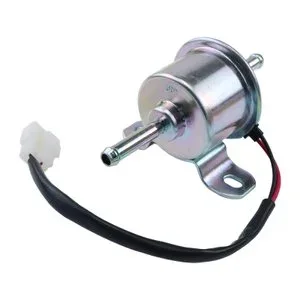
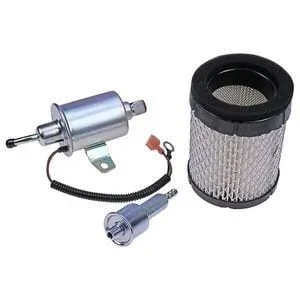
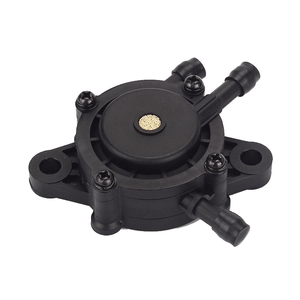
Engine Serial Variants Verified — Fuel pump specifications confirmed against Kubota engine build records to ensure internal gear engagement matches your specific production batch.
Technical Specifications
| Parameter |
Value |
| Part Number |
RD411-51353 |
| Product Type |
Fuel Pump |
| Cross-Reference |
RD411-51353 (reference only), RD41151353 (reference only) |
| Machine Fitment |
KX018-4, KX030-4, KX033-4, KX040-4, KX057-4, KX057-5, KX080-3, KX080-4, KX080-4S, KX080-4S2, KX121-3, KX121-3S, KX161-3, KX161-3S, KX41-3, KX71-3, KX71-3S, KX91-3S, KX91-3S2, U15, U17, U25S, U27-4, U35-4, U35S, U35-S2, U45S, U45ST, U48-5, U55, U55-4, U55-5, L3301, L3560, L3901, L3902, L4060, L47, L4701, L4760, L4802, L5060, L5460, L6060, M4-071, M4D-061, M4D-071, M5660SU, M6060HD, M62, M7060HD, M7060HDC, MX4800, MX5200, MX5800H, R530, R540, R630, R640, SSV65, SSV75, SVL65-2, SVL75, SVL75-2, SVL75-3, SVL90, SVL90-2 series, SSV65C, SSV65P, SSV65PC, SSV75C, SSV75P, SSV75PC, SVL65-2C, SVL75C, SVL90C, SVL90-2C, M7060HFC, M6060HFC, M6060HDC, M5660SUHD |
| Type |
12V Electric Fuel Pump |
| Voltage |
12V DC |
| Output Pressure |
3.2–3.8 bar |
| Diaphragm Material |
NBR |
| Terminal Sealing |
IP67 |
| O-Ring Standard |
ASTM D2000/SAE J200 Class EC |
| Operating Temperature |
-20°C to +85°C |
| Condition |
New Aftermarket |
| Warranty |
6 months against manufacturing defects |
| MOQ |
1 piece |
| Manufacturing Standard |
ISO 9001 |
Application Suitability
| Engine System |
Related Components |
| Fuel Delivery Circuit |
Fuel filters, tank strainers, feed lines, injector return lines |
| Engine Overhaul Package |
Cylinder head gaskets, piston ring sets, bearing shells, valve stem seals |
| Emission and Exhaust |
EGR valve gaskets, exhaust manifold studs, turbo oil feed and drain seals |
| Electrical Supply Circuit |
Battery terminals, relay harness connectors, grounding straps, fuse links |
Why a Fuel Pump RD411-51353 Engine Rebuild Replacement Fails Again Within Weeks
A replacement pump installed without correcting upstream contamination or degraded sealing surfaces inherits the same failure mode that destroyed the original unit.
When a Kubota KX91-3S arrives with a stalling fuel delivery issue, the visible symptom points to the lift pump. Yet in multiple field cases, the root cause traces back to a cracked fuel line drawing air, a clogged tank strainer starving the pump diaphragm, or degraded O-rings allowing vapor lock under thermal cycling. Swapping only the pump without inspecting the entire delivery chain results in repeat warranty claims and secondary machine downtime [NEED_CITE: diesel fuel system contamination pathways in mobile equipment]. Rebuild shops that audit the full fuel circuit before authorizing a pump replacement report meaningfully fewer comebacks.

The Fuel Pump's Position Within the Kubota Delivery Chain
This electric lift pump draws from the tank and feeds the mechanical injection pump at a regulated low pressure. It sits between the tank strainer and the primary fuel filter, meaning any debris or moisture passing through upstream components reaches the diaphragm chamber first. When planning a Fuel Pump RD411-51353 engine rebuild replacement, the logical approach is to treat the entire fuel delivery path as a single subsystem requiring synchronized renewal rather than swapping one component in isolation.
Diaphragm Chemistry and Sealing Integrity Under Biodiesel Exposure
The NBR diaphragm and ASTM D2000 Class EC O-rings provide compatibility with standard diesel and low-percentage biodiesel blends commonly used in construction and agricultural fleets. Higher biodiesel concentrations accelerate elastomer swelling and reduce diaphragm cycle life, creating internal leakage paths that drop output pressure below the 3.2 bar threshold needed for stable injector feed [NEED_CITE: elastomer compatibility standards for biodiesel blend exposure]. Confirming the regional fuel blend specification before ordering ensures the sealing material matches actual operating conditions.
Pressure Output and Electrical Terminal Reliability in Vibration-Heavy Environments
The 3.2–3.8 bar output pressure range maintains positive fuel supply to the injection pump across varying engine loads and ambient temperatures. IP67 terminal sealing prevents moisture ingress at the electrical connector, which is critical for machines operating in wet trenching or washdown environments where intermittent electrical faults can mimic injector or compression failures during diagnostic troubleshooting. The 12V DC motor draws current within standard relay and fuse ratings found on Kubota excavator and tractor electrical systems.
The Hidden Cost of Skipping Upstream Fuel System Diagnostics
A fuel pump replaced without addressing contaminated fuel, a restricted tank strainer, or collapsed return line will fail prematurely, often within the first few hundred operating hours. The diaphragm fatigues from dry running or excessive backpressure, and the electrical motor overheats from sustained overcurrent draw. Rebuild shops that skip the upstream audit absorb repeat labor costs, customer dissatisfaction, and parts wastage [NEED_CITE: root cause analysis methodology for fuel delivery system failures]. The diagnostic time invested before teardown pays back through elimination of repeat disassembly.
Sourcing Decisions Grounded in System-Level Verification
Own production on selected fuel system lines and qualified sourced supply carry identical QC protocols and warranty terms under a single account. The Guangzhou warehouse maintains stock of common Kubota fuel delivery components for consolidated dispatch alongside filters, gaskets, and sealing kits. Part identification proceeds from engine serial number, machine model, or nameplate photograph when stamped numbers are worn or painted over. Cross-reference verification covers superseded part numbers and variant differences across engine production batches. Sample supply allows fitment confirmation before committing to bulk overhaul quantities. Technical support confirms compatibility and grade selection based on rebuild history and oversize requirements.
Documentation & Verification
- Commercial invoice listing fuel pump part number, quantity, and HS code for customs clearance
- Cross-reference sheet mapping RD411-51353 (reference only) to applicable Kubota engine serial ranges
- Quality inspection record covering voltage drop, flow rate, and pressure hold test results
- Warranty terms specifying coverage scope for manufacturing defects over the six-month period
- Packing photographs showing pump protection, terminal cap installation, and box labeling before dispatch
Installation & Rebuild Sequence
- Flush fuel tank and replace tank strainer before connecting the new pump inlet to prevent immediate diaphragm contamination
- Verify electrical connector pin condition and apply dielectric grease to maintain IP67 sealing integrity
- Torque mounting bolts to specification using a crisscross pattern to avoid flange distortion
- Prime the fuel system by cycling the pump electrically before cranking the engine to prevent dry-run damage
- Run the engine at idle and monitor fuel return flow to confirm steady pressure within the 3.2–3.8 bar range
- Inspect all fuel line connections for leaks after the first thermal cycle and retorque if necessary
Requesting a System-Matched Quote
Provide the Kubota engine model, engine serial number, and any known rebuild history so the correct fuel pump variant can be confirmed against production batch records. Include the machine model and approximate operating hours to identify associated fuel system components typically renewed during the same service interval. Specify whether the machine operates on standard diesel or biodiesel blends to verify elastomer compatibility before shipment.
Frequently Asked Questions
Q: What other fuel system components should be replaced together with the fuel pump during an engine rebuild?
A: The complete fuel delivery circuit includes the tank strainer, primary and secondary fuel filters, all fuel feed and return lines, injector leak-off hoses, and associated O-rings and gaskets. Replacing these as a matched set ensures the new pump operates within a clean, sealed system and prevents upstream contamination from causing premature diaphragm or motor failure.
Q: How do I confirm the correct fuel pump variant for my specific engine serial number?
A: Kubota engine specifications can vary across production batches within the same machine model. Provide the engine serial number from the nameplate or engine block casting so the pump drive gear configuration, port orientation, and electrical connector type can be verified against build records before dispatch.
Q: What upstream fuel system faults commonly cause premature fuel pump failure?
A: Contaminated fuel from degraded tank lining, restricted tank strainers, collapsed fuel lines, and moisture ingress through cracked hoses all accelerate diaphragm fatigue and electrical motor overheating. Identifying and correcting these faults before installing the replacement pump prevents repeat failure within the first operating season.
Q: Is this pump compatible with biodiesel blends used in my region?
A: The NBR diaphragm and ASTM D2000 Class EC O-rings are compatible with standard diesel and low-percentage biodiesel blends. Confirm your regional blend specification before ordering, as higher concentrations may require alternative elastomer materials to maintain sealing integrity and diaphragm cycle life.
Q: Can I order a matched fuel system overhaul kit including filters, lines, and seals?
A: Yes, matched kits consolidate the fuel pump, filters, gaskets, O-rings, and fuel line sections into a single consignment. This approach ensures all components arrive together, eliminates split freight costs, and guarantees compatibility across the entire fuel delivery subsystem during rebuild.