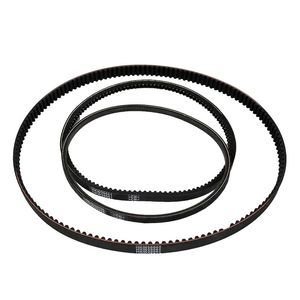
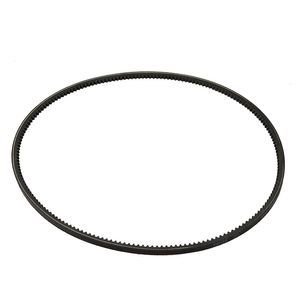
System-Matched Dispatch — Engine accessory drive belt MIU13962 ships with verified cross-reference compatibility for Yanmar 3TNV70 and John Deere Gator series, ensuring tensioner and pulley profiles align before the kit leaves our Guangzhou facility.
Technical Specifications
| Parameter |
Value |
| Part Number |
MIU13962 |
| Product Type |
Belt |
| Cross-Reference |
MIU13962 (reference only for identification purposes) |
| Machine Fitment |
Yanmar 3TNV70; John Deere Gator 4X4, UV72, XUV, XUV590E, XUV590E S4, XUV590i, XUV590i S4, XUV590M, XUV590M S4, XUV825E, XUV825i, XUV825I S4, XUV825M, XUV825M S4, XUV835E, XUV835M, XUV835R |
| Material |
EPDM rubber + reinforced polyester cord |
| Tensile Strength |
1,800 N |
| Max Operating Temperature |
150°C |
| Condition |
New Aftermarket |
| Warranty |
6-month warranty against manufacturing defects |
| MOQ |
1 piece |
| Standards |
ISO 9001 |
Application Suitability
| Engine System |
Related Components |
| Accessory Drive (Yanmar 3TNV70) |
Alternator pulley, water pump drive, tensioner assembly, idler bearings |
| Utility Vehicle Powertrain (John Deere XUV) |
CVT drive sheave, cooling fan belt, hydraulic pump drive, A/C compressor clutch |
| Engine Rebuild (Diesel 3-cylinder) |
Timing gear train, front cover seal, crankshaft damper, pulley alignment shims |
Why the Same V-Belt MIU13962 Reference Fails on Adjacent Components
A snapped belt is rarely the root cause; it is the symptom of a degraded tensioner or misaligned pulley within the same accessory drive loop.
In the Shandong manufacturing corridor, I have dismantled engines where a new V-Belt MIU13962 engine replacement was installed, only to shred again within operating hours. The teardown revealed excessive bearing play in the idler pulley, causing lateral walk and edge-wear on the rubber compound. Replacing the belt without auditing the entire drive path simply resets the clock on an inevitable failure [NEED_CITE: accessory drive system vibration and misalignment diagnostics]. When the system is ignored, the workshop absorbs the cost of a second teardown and the fleet owner absorbs the downtime.

The Accessory Drive System Context
This V-Belt MIU13962 engine replacement sits at the front of the engine, transferring crankshaft torque to critical accessories. On the Yanmar 3TNV70, it typically drives the alternator and coolant circulation. If the tensioner spring has fatigued, the belt slips under load, generating heat that exceeds the EPDM rubber's thermal threshold. We treat the belt as a system component, not an isolated wear item.
Dimensional Tolerances and Pulley Groove Matching
The cross-section dimensions of this belt must seat fully into the pulley groove without bottoming out. If the sheave is worn, the belt rides lower, altering the effective pitch diameter and changing the driven speed of the water pump or alternator. We verify the groove profile against the belt geometry to ensure even load distribution across the reinforced polyester cord. This prevents localized stress concentrations that lead to cord rupture [NEED_CITE: belt drive tension and groove profile wear limits].
Material Response to Thermal and Mechanical Stress
The EPDM rubber compound provides resistance to heat cracking and ozone degradation common in engine bays. The reinforced polyester cord offers high tensile stability, resisting stretch when the hydraulic pump or A/C compressor engages suddenly. This material pairing addresses the cyclic loading inherent in utility vehicle operation, where engine RPM fluctuates rapidly. The micro-textured surface improves grip on both aluminum and cast-iron pulleys, mitigating the squeal associated with cold starts and high humidity.
The Hidden Cost of Ignoring System-Level Root Causes
Fitting a new belt onto a scored pulley accelerates wear on the belt's flank, leading to premature fraying. If the tensioner bearing is binding, the belt will overheat locally, creating hard spots that eventually delaminate. This results in a repeat visit to the same engine bay. The hidden cost is not just the second belt, but the labor hours spent stripping the front-end accessories again, plus the reputational damage when the machine returns to the site with the same complaint [NEED_CITE: repeat failure cost analysis in fleet maintenance].
Procurement Verification for Engine Rebuilds
Our approach to the V-Belt MIU13962 engine replacement focuses on system integrity. We supply from own production and qualified sourced partners under one warranty, covering both the belt and the associated tensioner if ordered together. We identify parts from engine serial numbers, not just generic model names, because John Deere XUV variants often use different belt routing lengths despite sharing a base engine block. We provide compatibility confirmation sheets that map the belt to the specific production run of your 3TNV70. Our technical team can verify grade and tension specifications against your existing rebuild history to ensure the new component matches the current state of your engine's front cover assembly.
Documentation & Verification
- Commercial invoice listing MIU13962 reference and matched tensioner part numbers.
- Cross-reference sheet confirming Yanmar 3TNV70 and John Deere XUV compatibility.
- Dimensional inspection report verifying width and height against pulley groove specs.
- Warranty terms covering material defects in EPDM compound and polyester cord.
- Packing photographs showing belt coil protection and anti-crush packaging.
- HS code and customs documentation support for international engine parts shipments.
Installation & Rebuild Sequence
- Inspect pulley grooves for wear steps before fitting the new MIU13962 belt.
- Verify tensioner bearing rotation is smooth with no lateral play or noise.
- Check crankshaft pulley alignment using a straight-edge across all drive planes.
- Torque tensioner mounting bolts to specification to prevent bracket shift.
- Run engine to operating temperature and re-check belt deflection under load.
- Record initial belt seating condition for future maintenance interval tracking.
Fitment Confirmation and Inquiry Direction
To ensure this V-Belt MIU13962 engine replacement matches your specific build, provide the engine serial number or the machine model plate photograph. If the unit has undergone a previous rebuild, note any non-standard tensioner or pulley substitutions. This allows us to verify the exact belt length and routing required for your configuration.
Frequently Asked Questions
Q: What other components in the belt drive system should be inspected when replacing this belt?
A: You must audit the tensioner assembly, idler pulleys, and the harmonic balancer on the crankshaft. Worn bearings in these components cause misalignment that destroys a new belt rapidly. We recommend replacing the tensioner if the spring force or pivot bushing shows any degradation.
Q: Does the MIU13962 reference apply across all John Deere Gator XUV variants?
A: While the base number is shared, belt routing and effective length can vary between S4 and standard models due to accessory bracket differences. Provide your specific model suffix and serial number so we can verify the exact fitment before dispatching the component.
Q: How do I confirm the correct specification if the engine was swapped previously?
A: Engine swaps often introduce mismatched front covers and pulley sets. Send us a photograph of the existing routing and the engine data plate. Our technical team will cross-reference the physical setup against the 3TNV70 or XUV system requirements to identify the correct belt.
Q: What causes repeated belt failure even after replacement?
A: Repeat failure usually indicates a seized pulley, misalignment of the drive plane, or fluid contamination from an oil leak softening the rubber. Diagnosing the system-level root cause is essential; simply swapping the belt again will not resolve the underlying mechanical fault.
Q: Can I get a sample for fitment verification before a fleet order?
A: Yes, we supply single samples for physical fitment checks. This allows your workshop to verify the EPDM compound seating and tensioner interaction on one machine before committing to a bulk purchase for the rest of the fleet.