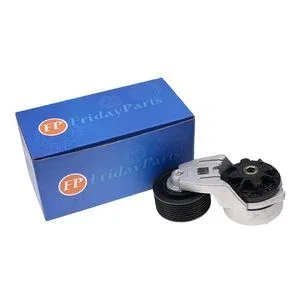
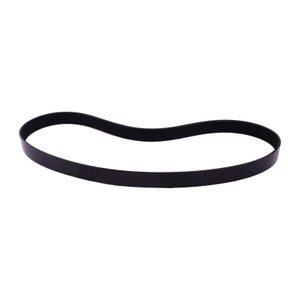
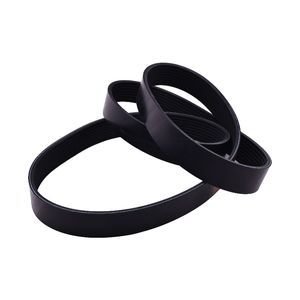
Matched Belt Drive Sets — tensioner, belt, and idler pulleys shipped as a verified system for Cummins 6B5.9 and QSB rebuilds.
Technical Specifications
| Parameter |
Value |
| Part Number |
3936213 |
| Product Type |
Belt Tensioner |
| Cross-Reference |
3936213, 5259022, 3976831 (reference only) |
| Machine Fitment |
6C, ISB, QSB, 4B3.9, B4.5, 6B5.9, B6.7, 4B, 6B, ISC, QSC, ISL, QSL |
| Brand Compatibility |
Fits Cummins, JOHN DEERE |
| Condition |
New Aftermarket |
| Warranty |
3–12 month warranty against manufacturing defects |
| Material |
High-strength steel construction |
| Design |
Spring-loaded, constant tension across temperature extremes |
| Pulley Bearing |
Sealed to prevent contamination |
| Testing |
Torque resistance and rotational smoothness tested |
| Certification |
ISO 9001 |
Application Suitability
| Engine System |
Related Components |
| Front Gear Train / Accessory Drive |
Serpentine belt, idler pulleys, water pump pulley, alternator pulley |
| Top-End Overhaul |
Valve train components, cylinder head gasket set, front cover seal |
| In-Frame Rebuild |
Piston assemblies, main and rod bearings, full engine gasket kit |
| Preventive Maintenance Fleet Stock |
Belt drive refresh kits for B-series and C-series platforms |
Addressing Root Causes in Belt Drive Overhauls
A Belt Tensioner Assembly engine rebuild parts replacement is a system-level intervention, not a standalone swap.
In the Guangzhou repair circle, skipping the adjacent pulley bearings or ignoring a misaligned accessory bracket during a tensioner swap is a common path to a second teardown. When a 6C or QSB comes in for a belt slippage complaint, the fatigued spring inside the old unit is often a symptom of a deeper misalignment or a failing water pump bearing dragging the entire accessory drive out of spec. Treating the tensioner as an isolated wear item ignores the interconnected tolerances of the front gear train [NEED_CITE: mobile equipment engine accessory drive alignment tolerances].
System-Level Sourcing for the Accessory Drive
This Belt Tensioner Assembly operates as the anchor point for the serpentine belt routing. For an engine rebuild shop quoting a complete overhaul, sourcing this component in isolation invites freight delays and mismatched lead times when the corresponding belt or idler pulleys are backordered. Our supply model consolidates the tensioner with matched belts, sealed idlers, and necessary front-cover hardware into a single consignment, ensuring the rebuild bay is not waiting on a separate supplier for a single bolt or seal.
Sequence Verification and Build Variants
The B-series and C-series Cummins platforms have evolved across multiple generations. A part number that fits an early 6B5.9 may not align with the rib profile or offset required on a later QSB variant. We verify the specific engine serial to confirm which cross-reference number applies, checking the mounting pattern and pulley offset against the build record. This prevents the situation where the unit physically bolts on but tracks the belt slightly off-center, leading to premature edge wear [NEED_CITE: Cummins B-series and C-series serpentine belt routing variations].
Spring Load and Bearing Isolation in Heavy Duty Cycles
The high-strength steel construction and spring-loaded design are engineered to maintain constant belt tension as the engine block expands and contracts through thermal cycles. In construction and mining environments, the sealed pulley bearing is critical; it prevents abrasive dust and moisture ingress that would otherwise score the bearing races and cause the pulley to bind. The rotational smoothness testing performed on each unit verifies that the internal damping mechanism functions correctly, preventing the high-frequency flutter that accelerates belt cord failure under sudden load changes.

The Cost of Mismatched Belt Drive Tolerances
Installing a tensioner without verifying the runout on adjacent pulleys or the condition of the accessory brackets often leads to repeat failures within the first few hundred hours. A misaligned alternator bracket, for example, forces the tensioner to work against a lateral load it was not designed to handle, fatiguing the pivot bushing. This type of systemic fault is frequently misdiagnosed as a poor-quality part, when the actual issue is the uncorrected geometry of the accessory drive. Re-teardown costs in labor and fluid loss far exceed the initial diagnostic effort [NEED_CITE: diesel engine front gear train misalignment failure modes].
Supply Chain Consistency for Engine Rebuilders
Our production lines and qualified sourced partners operate under a single warranty and QC protocol, meaning the tensioner and the matched overhaul kit carry the same terms. We support a one-piece minimum, allowing a shop to validate fitment on a specific engine serial before committing to fleet-level stock. Every unit is backed by a dimensional check and torque verification record. The Guangzhou warehouse maintains depth on common B-series and C-series variants, allowing for rapid consolidation of complete belt drive kits alongside main bearings, piston sets, and gasket collections for a single dispatch.
Documentation & Verification
- Commercial invoice and packing list detailing the matched belt drive components and hardware.
- Part compatibility and cross-reference sheet for 3936213, 5259022, and 3976831 variants.
- Quality inspection record showing torque resistance and rotational smoothness test results.
- Warranty terms covering manufacturing defects across both self-produced and sourced lines.
- Packing photographs verifying the consolidated shipment of tensioners and associated overhaul parts.
- HS code and customs documentation support for international engine parts import.
Installation & Rebuild Sequence
- Clean the front cover mating surface and verify accessory bracket alignment before mounting the unit.
- Confirm the serpentine belt routing matches the specific engine serial build diagram to avoid lateral tracking issues.
- Torque the mounting hardware to the specified value to prevent pivot bushing distortion under load.
- Inspect all adjacent idler and accessory pulleys for bearing play and runout before installing the new belt.
- Perform an initial run-up and check for high-frequency flutter or belt edge wear during the break-in cycle.
Request a System Match
To ensure the correct variant for your rebuild, provide the specific engine model, serial number, and any details regarding previous overhauls or accessory modifications. Our technical team will verify the applicable cross-reference and generate a consolidated quote for the complete belt drive system and related overhaul components.
Frequently Asked Questions
Q: What other belt drive components should be replaced alongside the tensioner during an overhaul?
A: During a major overhaul, we recommend replacing the serpentine belt, all idler pulleys, and inspecting the water pump and alternator bearings. Reusing fatigued pulleys or a glazed belt will compromise the new tensioner, leading to premature slippage and a repeat teardown.
Q: How do I confirm which cross-reference number applies to my engine serial?
A: The numbers 3936213, 5259022, and 3976831 refer to different production variants and superseded revisions across the B and C series platforms. We require your engine serial number to verify the exact mounting offset and pulley rib profile required for your specific build.
Q: Can you supply a complete belt drive kit as a matched set?
A: Yes, we consolidate the tensioner, matched belt, idler pulleys, and any necessary front cover seals into a single shipment. This approach eliminates split freight and ensures all components arrive together, keeping the engine rebuild bay on schedule.
Q: What system-level faults cause premature tensioner failure beyond the unit itself?
A: Common root causes include misaligned accessory brackets, worn pulley bearings on adjacent components, or a failing water pump that introduces lateral drag. A system-level diagnostic is required to prevent the new tensioner from absorbing loads it was not designed to handle.