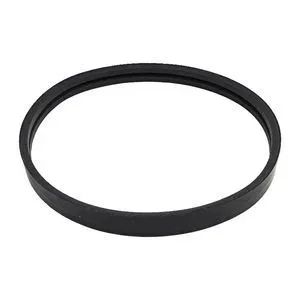
System-Matched Belt Sets — Every V-Belt 32993 ships after pulley groove and tensioner verification, preventing repeat drive failures from mismatched profiles.
Technical Specifications
| Parameter |
Value |
| Part Number |
32993 |
| Product Type |
Belt |
| Cross-Reference |
32993 (reference only), 13X670La (reference only) |
| Machine Fitment |
Earthquake Rear Tine Tiller |
| Belt Type |
V-Belt |
| Profile |
4LX |
| Top Width |
12 mm |
| Height |
8 mm |
| Belt Length (La) |
670 mm |
| Tensile Cord Material |
Polyester/Polyamide |
| Body Material |
Rubber compound |
| Manufacturing Standard |
ISO 9001 |
Application Suitability
| Engine System |
Related Components |
| Primary drive transmission |
Drive pulley, idler pulley, tensioner spring |
| Auxiliary accessory drive |
Tensioner arm, pulley bearings, adjacent belts |
| Multi-belt power takeoff |
Matched belt set, pulley alignment shims |
| Seasonal overhaul service |
Complete belt drive kit with seals and hardware |
Why New Belts Fail Within Weeks of Installation
The belt is the symptom; the drive system holds the cause.
I spent years handling warranty claims where a freshly installed V-Belt 32993 engine drive belt replacement came back shredded or glazed within a single operating season. The pattern was almost always the same: worn pulley grooves chewing through the new belt sidewalls, a fatigued tensioner spring that could no longer hold correct deflection, or an idler bearing that had seized partially and was dragging the belt across a hot surface. Replacing only the belt without inspecting these adjacent components turns a minor maintenance task into a recurring failure cycle. [NEED_CITE: belt drive system failure root cause analysis for small engine applications]
Belt Drive System Context for Tiller Engines
A V-Belt 32993 engine drive belt replacement sits at the heart of the tiller power transmission path. When this belt fails, the engine still runs but no torque reaches the tines, leaving the machine useless in the field. The belt wraps around the engine crankshaft pulley and the transmission input pulley, often routed through one or more idler pulleys that maintain tension. Understanding this routing is critical because a single worn pulley in the path will destroy the replacement belt regardless of its material quality.
System-Level Faults That Destroy Replacement Belts
Pulley groove wear is the most common hidden fault in tiller belt drives. Over seasons of operation, the V-groove walls develop a polished, slightly widened profile that no longer grips the belt sidewalls firmly. The new belt rides deeper in the worn groove, slipping under load and generating heat that accelerates rubber degradation. Tensioner springs lose their preload over time, and a spring that once held correct deflection may now allow the belt to flutter at operating RPM. [NEED_CITE: pulley groove wear measurement standards for agricultural drive systems]
Idler bearings deserve equal scrutiny. A partially seized idler creates localized friction that burns through the belt carcass from the inside out, often leaving no visible external damage until the belt splits during operation. When sourcing a V-Belt 32993 engine drive belt replacement, requesting a system-level compatibility check that covers pulley condition, tensioner spring force, and idler bearing free-spin ensures the new belt enters a healthy drive environment.
Profile and Dimensional Accuracy Under Load
The 4LX profile specifies a 12 mm top width and 8 mm cross-section height, dimensions that must match the pulley groove geometry precisely. A belt that is even slightly too narrow for the groove will bottom out, losing sidewall contact and slipping under load. A belt that is too wide will ride high in the groove, reducing the contact area and concentrating stress on the upper sidewalls. The polyester and polyamide tensile cords embedded in the rubber body resist stretching under load, maintaining the 670 mm pitch length across operating temperatures. This dimensional stability matters most during the initial engagement when the tiller tines bite into compacted soil and shock-load the entire drive train.

The Cost of Ignoring the Drive System Before Belt Installation
Installing a new belt into a drive system with unchecked faults leads to predictable outcomes. A worn pulley will glaze the belt sidewalls within hours of operation, reducing friction and causing slip that generates enough heat to soften the rubber compound. A weak tensioner allows the belt to whip and oscillate at certain RPM ranges, creating fatigue cracks along the tensile cord line that eventually split the belt longitudinally. These failures are not random — they are the direct mechanical consequence of leaving system faults uncorrected. [NEED_CITE: mechanical power transmission belt failure mode classification]
Each repeat failure means another machine downtime event, another belt purchase, and another round of labor to access the drive housing. For repair centers and fleet maintenance teams, the cumulative cost of reactive belt replacement quickly exceeds the cost of a complete system inspection and matched component replacement done correctly the first time.
Why Source Belt Drive Components Through This Channel
Production lines and qualified sourcing partners operate under a single warranty account, meaning a V-Belt 32993 engine drive belt replacement and its associated pulleys, tensioners, and idlers all carry identical quality terms. Eight product categories allow a complete belt drive overhaul — belts, pulleys, springs, bearings, and hardware — to ship as one consolidated consignment rather than arriving from multiple vendors on mismatched timelines. Orders start from a single piece, so an emergency single-belt replacement is never blocked by minimum quantity requirements. The Guangzhou warehouse maintains stock on fast-failure items for rapid dispatch when a tiller is already down in the field.
Part identification works from a part number, machine model, photograph of the worn belt, or a nameplate image when the original markings are unreadable. Cross-reference verification covers superseded numbers and alternate references, catching errors that propagate through copied compatibility tables. Samples ship ahead of bulk commitment so fitment can be confirmed on the actual machine before a full order is placed. The technical team verifies profile compatibility, belt length, and system-level matching for tensioner and pulley configuration.
Documentation & Verification
- Commercial invoice listing belt profile, length, and quantity per line item
- Cross-reference sheet mapping 32993 and 13X670La as reference only
- Dimensional inspection record confirming 4LX profile and 670 mm length
- Warranty terms covering manufacturing defects in rubber and tensile cords
- Packing photographs showing belt coiling and protective wrapping before dispatch
- HS code and customs documentation support for cross-border shipments
Installation & Rebuild Sequence
- Inspect all pulley grooves for wear, polishing, or widening before belt installation
- Verify tensioner spring force against specification; replace fatigued springs simultaneously
- Check idler bearings for free rotation and axial play; replace any that drag or wobble
- Route the belt following the manufacturer diagram, confirming no twists or misalignment
- Set tension to specified deflection and run the drive unloaded for initial bedding-in
- Re-check tension after the first operating hour as the belt seats into pulley grooves
Requesting a System-Matched Quote
Provide the engine model and serial number along with any available drive system photographs. If the original belt markings are worn, a clear image of the pulley groove and routing path allows profile and length confirmation. Include any known rebuild history or previous belt failures so the system-level recommendation accounts for prior work. Specify whether the drive uses a single belt or a matched set to ensure the correct quantity and matched tolerances ship together.
Frequently Asked Questions
Q: What other belt drive components should I inspect when replacing this belt?
A: Check pulley groove walls for wear or polishing, verify the tensioner spring still holds rated deflection, and spin every idler bearing by hand to detect drag or roughness. Any fault in these components will shorten the life of the new belt. A system-level check before installation prevents repeat failures and unnecessary downtime.
Q: Does this tiller drive use a single belt or a matched set?
A: Configuration varies by tiller model and production year. Some units run a single drive belt while others use two or more belts in parallel on the same pulley set. When multiple belts share a drive, they must be replaced as a matched set with identical length tolerances to ensure even load distribution across all belts.
Q: How do I confirm the 4LX profile matches my existing pulleys?
A: Measure the pulley groove top width and depth, then compare against the 4LX specification of 12 mm top width and 8 mm height. A worn groove may measure wider than original, which can mask a mismatch. If measurements are unclear, a photograph of the pulley with a ruler reference allows technical verification before shipping.
Q: Can I order a complete belt drive service kit instead of individual parts?
A: Yes. A complete kit can include the belt, tensioner spring, idler pulley assembly, and any associated hardware or seals specific to your tiller model. Ordering as a kit ensures all components are matched for compatibility and ship in one consignment, eliminating the risk of partial delivery delaying the repair.
Q: What engine serial variants affect belt routing or length?
A: Different production runs of the same tiller model may use revised pulley sizes or altered routing paths that change the required belt length. Providing the engine serial number allows verification against the correct configuration, ensuring the belt length and routing match your specific machine rather than a generic listing.