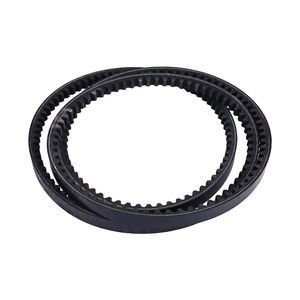
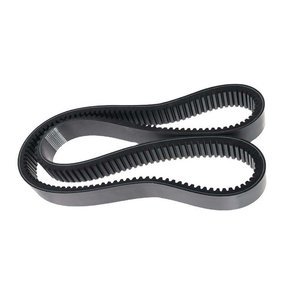
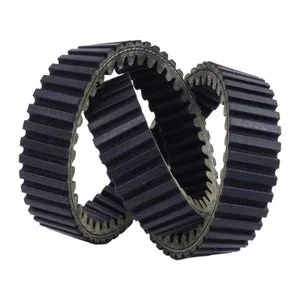
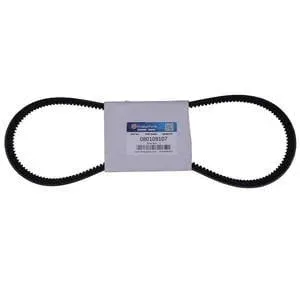
System-Matched Set — Every 6667322 main pump drive belt we ship is verified against the engine's specific serial variant to ensure groove count and length match your Bobcat loader's exact build.
Technical Specifications
| Parameter |
Value |
| Part Number |
6667322 |
| Product Type |
Belt |
| Cross-Reference |
6667322 (reference only) |
| Machine Fitment |
Bobcat S130, S150, S160, S175, S185, S205, T140, T180, T190 |
| Design Type |
Flat, cogged drive belt with 3 grooves |
| Material |
Fiber-loaded backing with additional cord support, EPDM rubber compound |
| Dimensional Tolerance |
±0.3 mm on belt width and length |
| Operating Temperature Range |
-20°C to +95°C |
| Condition |
New Aftermarket |
| Warranty |
3–12 months against manufacturing defects |
| MOQ |
1 piece |
| Standards |
ISO 9001, ISO 5292, SAE J1459 |
Application Suitability
| Engine System |
Related Components |
| Main Hydraulic Pump Drive |
Tensioner assembly, idler pulley, harmonic balancer, front crankshaft seal |
| Accessory Drive |
Alternator belt, fan belt, water pump pulley, A/C compressor clutch |
| Engine Cooling & Lubrication |
Water pump, coolant hoses, oil cooler lines, thermostat housing |
| Hydraulic System Interface |
Main pump input shaft seal, pump mounting gasket, suction hose |
Why the Same Part Number Ships in Four Variants
The main pump drive belt 6667322 replacement is not a single universal fit across all production runs of the same loader model.
When you see a skid steer come in for hydraulic response issues, the easy call is to swap the belt and send it back out. But engine serial variants within the same Bobcat model often mean the pulley groove count or belt length changed mid-production. I have seen rebuild shops install what they thought was the correct main pump drive belt engine rebuild replacement only to find it rides too deep in the grooves or fails to seat on the outer rib. The result is slip under load, premature glazing, and a callback within fifty hours [NEED_CITE: engine serial variant differences in belt drive configurations for compact loaders]. That is why confirming the exact engine build before ordering matters more than trusting the loader model plate alone.

The Belt Drive System Around the Main Pump
This main pump drive belt engine rebuild replacement sits at the front of the engine, transmitting crankshaft torque directly to the hydraulic pump. It is the first link in the power chain that determines whether your loader responds crisply or lags under load. The belt does not work alone — it depends on the tensioner maintaining correct deflection, the idler pulley spinning freely, and the crankshaft pulley running true. If any of these adjacent components are worn, the belt absorbs the damage.
Matching the Set to Your Engine's Rebuild History
When an engine has been through a previous overhaul, the crankshaft may have been machined or the front cover replaced with an aftermarket casting. These changes shift the belt path by fractions of a millimeter — enough to alter tracking and wear patterns. We verify the engine serial number against the belt drive parts list to catch these discrepancies before shipment. The goal is to supply a matched set where the main pump drive belt engine rebuild replacement, tensioner, and pulleys all work to the same tolerances [NEED_CITE: crankshaft end-play and belt tracking alignment in rebuilt diesel engines].
Reading the Specifications That Matter
The triple-groove cogged profile is not arbitrary — those cogs allow the belt to flex around smaller pulley diameters without cracking the backing, which matters in the tight engine compartments of skid steer loaders. The fiber-loaded backing with cord support resists the tensile loads generated by hydraulic pump startup torque, while the EPDM rubber compound handles the ozone exposure and heat cycling that would degrade standard neoprene compounds within a single season. The ±0.3 mm dimensional tolerance keeps groove engagement consistent across the belt width, preventing the outer ribs from carrying more load than the inner ones.
What Happens When the Root Cause Gets Ignored
Installing a fresh belt without checking the tensioner bearing is the most common mistake I encounter in engine rebuild shops. The bearing develops play over time, and that play translates into belt flutter at operating RPM. The new belt absorbs this flutter as impact loading on each cog, leading to chunking and separation within weeks. The shop then blames the belt quality rather than the system fault, and the machine comes back down. A few minutes with a dial indicator on the tensioner pulley prevents this cycle entirely [NEED_CITE: belt drive system root cause analysis for premature failure in mobile hydraulic equipment].
Why Rebuild Shops Source Belt Drive Components Here
Our production and sourcing lines operate under one warranty and one quality standard, so a matched belt drive set ships as a single accountable consignment. We stock the main pump drive belt engine rebuild replacement alongside tensioners, idler pulleys, and front seals in our Guangzhou warehouse for fast consolidation. Technical verification covers engine serial variants and superseded numbers before the order is confirmed. Sample supply is available for fitment checks before you commit to bulk quantities for your shop's regular Bobcat workload. The minimum order is one piece, which matters when you are troubleshooting a single machine.
Documentation & Verification
- Commercial invoice listing part number 6667322 with engine serial variant noted
- Cross-reference sheet confirming superseded numbers for Bobcat belt drive applications
- Quality inspection record covering groove integrity and dimensional tolerance check
- Warranty terms specifying coverage period and defect claim procedure
- Packing photographs showing individual sealed packaging before carton closure
Installation & Rebuild Sequence
- Verify tensioner bearing radial play before installing the main pump drive belt engine rebuild replacement
- Check pulley groove wear with a belt wear gauge; replace pulleys showing hook formation
- Route belt following the factory diagram, ensuring cogs seat fully in all three grooves
- Set tensioner to specification, then rotate engine two full revolutions by hand before final check
- Run engine at idle for initial warm-up, then recheck tension after cool-down cycle
Getting the Right Belt for Your Engine Build
Send us the engine model and serial number from the data plate — not just the loader model. If the plate is unreadable, a photograph of the existing belt showing groove count and any printed markings lets us cross-reference against the correct engine variant. Include any known rebuild history so we can account for non-standard front cover or pulley configurations.
Frequently Asked Questions
Q: What other belt drive components should be replaced together with this main pump belt?
A: The tensioner assembly and idler pulley are the primary candidates for simultaneous replacement during an engine rebuild. The front crankshaft seal should also be addressed while the belt is off. We supply these as a matched set with verified compatibility for your specific engine serial variant, ensuring the entire belt drive system returns to service together.
Q: Does the same 6667322 belt fit all engine serial variants on the S175 or S185?
A: No. Bobcat used different engine suppliers across production runs, and belt length or groove count can vary within the same loader model. We verify your engine's exact build against the belt drive parts list before confirming fitment, using the engine serial number rather than the machine model alone.
Q: How do I confirm my engine model and serial number to verify belt compatibility?
A: The engine data plate is typically located on the valve cover or block side, separate from the loader's main identification plate. If the plate is painted over or missing, we can identify the engine variant from photographs of the existing belt, pulley configuration, or front cover casting numbers.
Q: What system-level fault could cause repeated belt failure even after replacement?
A: Tensioner bearing wear, pulley groove hooking, or crankshaft end-play beyond specification all create belt flutter and impact loading. Misalignment between the crankshaft pulley and pump drive pulley also concentrates wear on the outer grooves. We recommend checking these system elements before concluding the belt itself is the failure point.
Q: Can I order a matched belt drive set covering all engine-driven accessories at once?
A: Yes. We consolidate the main pump belt with alternator, fan, and water pump belts along with all associated tensioners and pulleys in a single shipment. Provide your engine model and serial number, and we will assemble a complete belt drive kit matched to your specific engine configuration.