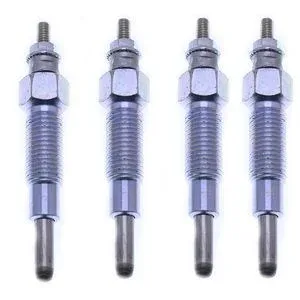
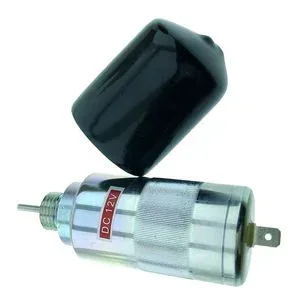
Matched Set Dispatch — Solenoid and fuel system service parts verified against DPA/DPS pump variants before shipping.
Technical Specifications
| Parameter |
Value |
| Part Number |
7167-620B 9009-049 |
| Product Type |
Stop Solenoid |
| Cross-Reference |
7167-620B, 9009-049 (reference only) |
| Machine Fitment |
DPA diesel injection pump applications, DPS diesel injection pump applications |
| Voltage |
12V |
| Insulation Class |
Class H (180°C rated) |
| Operating Temperature |
Up to 120°C |
| Plunger Material |
Stainless Steel |
| Plunger Hardness |
HRC 48–52 |
| Sealing |
Dual NBR O-rings |
| IP Rating |
IP67 |
| Dimensional Tolerance |
±0.05 mm |
| Response Time |
<25 ms |
| Condition |
New Aftermarket |
| Warranty |
6 months against manufacturing defects |
| MOQ |
1 piece |
| Standards |
ISO 9001, ISO 4414 |
Application Suitability
| Engine System |
Related Components |
| DPA Fuel Injection Pump |
Injection pump overhaul kit, governor springs, transfer pump seals |
| DPS Fuel Injection Pump |
Metering valve seals, hydraulic head gaskets, drive shaft bearings |
| CAV Fuel System |
Fuel shutoff linkage, return line fittings, pump mounting gaskets |
| Lucas Fuel System |
Solenoid wiring harness connectors, pump housing O-rings, fuel filters |
Why the Rebuild Kit Didn't Fix the Run-On Problem
A 12V Fuel Cut-off Solenoid engine rebuild replacement must be matched to the specific injection pump variant, not just the base engine model.
I have walked through too many post-overhaul diagnostics where the injection pump was rebuilt correctly, yet the engine refused to shut down cleanly or cranked without firing. The 12V Fuel Cut-off Solenoid engine rebuild replacement was either omitted from the service order or specified by a superseded number that no longer matched the pump's electrical profile. In the field, a mismatched stop solenoid on a DPA or DPS pump means the plunger either fails to retract fully during cranking or cannot seat fast enough during shutdown. [NEED_CITE: diesel injection pump electrical actuator compatibility standards]
System Role Within the Fuel Shutoff Circuit
The stop solenoid sits at the boundary between the electrical control circuit and the hydraulic fuel path inside the injection pump. When energized, it holds the fuel rack or metering valve in the run position; when de-energized, spring force drives the plunger to cut fuel delivery. A 12V Fuel Cut-off Solenoid engine rebuild replacement must respond within the pull-in and hold-in current window that the machine's wiring harness can actually deliver.
Variant Differences Between CAV and Lucas Pump Generations
The cross-reference numbers 7167-620B and 9009-049 (for identification purposes) span multiple production runs of DPA and DPS pumps. Earlier CAV-built units often used a different plunger stroke length compared to later Lucas-manufactured variants, even when the external housing appears identical. Confirming the injection pump serial plate and production era prevents installing a solenoid that physically threads in but leaves the fuel rack partially open at rest. [NEED_CITE: CAV to Lucas DPA pump generation identification guide]
Reading the Specifications That Matter at the Pump Bench
The Class H insulation rating at 180°C is significant because the solenoid coil sits in close proximity to the engine block and exhaust manifold. Ambient bay temperatures on mining excavators and generator sets regularly exceed 80°C under load, and the coil must dissipate its own resistive heating on top of that. The dual NBR O-rings at IP67 keep fuel vapor and wash-down water from migrating into the coil cavity, which is the most common pathway for insulation breakdown in high-vibration installations. The stainless steel plunger at HRC 48–52 resists scoring against the bore during thousands of start-stop cycles. Dimensional tolerance held to ±0.05 mm ensures the plunger seats concentrically, preventing the partial fuel bleed that causes erratic idle before shutdown.
The Cost of Swapping the Solenoid Without Checking the Circuit
Replacing the solenoid without verifying upstream electrical health is the fastest route to a repeat failure. A voltage drop across corroded harness connectors can starve the coil during cranking, making a perfectly functional solenoid appear defective. I have traced repeat burnouts back to a relay that was passing voltage but not sufficient hold-in current, cooking the coil insulation over a matter of weeks. [NEED_CITE: mobile equipment wiring harness voltage drop diagnostic procedures]
What This Supplier Brings to a Fuel System Rebuild Order
Own production on selected fuel system lines and qualified sourced supply operate under a single account and a single six-month warranty, so there is no finger-pointing between vendors when a fitment question arises. The Guangzhou warehouse carries stock on high-turnover stop solenoids for immediate dispatch, while low-volume variants ship after cross-reference verification. Part identification proceeds from the injection pump serial number, a photograph of the existing solenoid, or a rubbing of the pump nameplate — whichever the buyer can supply from the bench. Technical confirmation covers pull-in current, plunger stroke, and thread specification before the part leaves the shelf.
Documentation & Verification
- Commercial invoice listing solenoid part number and matched cross-reference (reference only)
- Compatibility sheet confirming DPA or DPS pump serial range fitment
- Dimensional inspection record covering plunger stroke and thread pitch
- Six-month warranty terms covering coil insulation and plunger seizure defects
- Packing photographs showing O-ring condition and protective caps before sealing
- HS code and customs classification support for fuel system electrical components
Installation & Rebuild Sequence
- Clean the solenoid bore in the pump housing with lint-free cloth before inserting new O-rings
- Verify plunger stroke matches the pump variant specification before threading the solenoid in
- Torque the solenoid body to the pump housing per manufacturer sequence to avoid bore distortion
- Bench-test pull-in and hold-in current with a 12V source before reassembling the pump to the engine
- Confirm fuel cutoff response within the specified cycle time during initial engine cranking
Before You Place the Order
Provide the injection pump model and serial number, along with the engine build date or rebuild history if available. This lets the technical team confirm which cross-reference number applies to your specific DPA or DPS variant and whether the solenoid should ship alone or as part of a matched fuel system service set.
Frequently Asked Questions
Q: What other fuel system parts should be inspected when replacing the stop solenoid?
A: Check the fuel shutoff linkage for binding, inspect the pump housing O-ring groove for scoring, and test the wiring harness relay for adequate hold-in current. Worn governor springs or a sticking metering valve can mimic solenoid failure, so confirming those components during the same teardown avoids a second disassembly.
Q: How do I confirm which cross-reference number applies to my injection pump variant?
A: Supply the injection pump serial number and, if legible, the existing solenoid body marking. The technical team cross-references the production era and plunger stroke specification to determine whether 7167-620B or 9009-049 (reference only) is the correct match for your DPA or DPS unit.
Q: Can this solenoid be included in a complete injection pump overhaul kit?
A: Yes. The solenoid can ship alongside matched overhaul kit components including seals, gaskets, and bearing sets for the same pump variant. Consolidating the order ensures all fuel system service parts arrive in one consignment with a single warranty document.
Q: What electrical system checks should be done to identify the root cause of solenoid failure?
A: Measure voltage at the solenoid connector during cranking and at key-off to identify harness voltage drop. Test the relay for proper switching and hold-in current delivery. Inspect the connector pins for corrosion that increases resistance and starves the coil, leading to premature insulation breakdown.