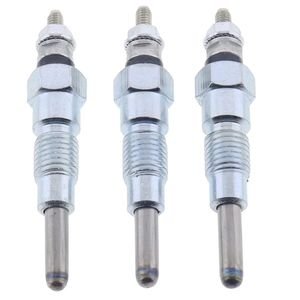
Matched Set Dispatch — ignition components verified against your Cummins gas engine CM designation before packing.
Technical Specifications
| Parameter |
Value |
| Product Type |
Spark Plug |
| Part Number |
4955850 4937472 5473010 |
| Cross-Reference (reference only) |
4955850, 4937472, 5473010 |
| Machine Fitment |
ISB5.9G CM2180, C Gas Plus CM556, ISL G CM2180, L Gas Plus CM556, QSL9 G CM558, ISC8.3 G CM2180 C101, C8.3 G, L9N CM2380 L124B, ISC8.3 G CM2180 |
| Brand Compatibility |
Replacement for Cummins gas engine applications |
| Condition |
New Aftermarket |
| Warranty |
3-12 months against manufacturing defects |
| Production Standard |
ISO 9001 |
Application Suitability
| Engine System |
Related Components |
| Ignition System – Cummins ISB5.9G CM2180 |
Ignition coils, wiring harness connectors, ECU calibration check |
| Ignition System – Cummins ISC8.3 G CM2180 C101 |
Spark plug wells, valve cover gaskets, coil boots |
| Ignition System – Cummins L9N CM2380 L124B |
Ignition module, coil-on-plug assemblies, fuel pressure regulator |
| Ignition System – Cummins QSL9 G CM558 |
High-energy ignition coils, plug wire sets, engine speed sensors |
| Scheduled Ignition Service – Generators and Construction Equipment |
Full ignition system inspection, combustion chamber decarbonization |
Why Misfire Returns After a Plug Swap
A Spark Plug engine rebuild replacement only solves the symptom when the underlying ignition fault remains unaddressed. Cummins gas engines across the CM2180, CM556, and CM2380 families each demand a specific heat range and electrode geometry, and swapping in a cross-referenced part number without confirming the engine build record often brings the misfire back within operating hours [NEED_CITE: Cummins gas engine ignition system diagnostic procedures for misfire recurrence].
In the Pearl River Delta workshops where I spent years turning wrenches, I watched crews pull freshly installed plugs from ISC8.3 and L9N heads because the replacement set had the wrong electrode gap for that particular fuel system calibration. The plugs were not defective; they were simply specified for a different CM variant. Each return visit meant another head disassembly, another set of valve cover gaskets, and another day the genset or loader sat idle while the real root cause went unexamined.
The Ignition System as a Circuit, Not a Consumable
Spark plugs sit at the end of a chain that begins with the ECU and runs through the ignition module, coils, and wiring harness connectors. When a Spark Plug engine rebuild replacement is treated as a standalone consumable rather than a system component, the mismatch propagates upstream. A plug with the wrong thermal characteristic forces the coil to work outside its designed duty cycle, accelerating insulation breakdown in the coil boot and eventually damaging the driver circuit in the module. Rebuild shops that inspect the full ignition circuit during plug replacement catch these cascading faults before they reach the customer.
Engine Serial Variants and the Correct Plug Specification
Cummins gas engines evolved through several CM platforms, and the internal configuration changed with each generation. The ISB5.9G CM2180 uses a different combustion chamber geometry than the C Gas Plus CM556, which means the plug reach and heat range differ even though both engines share displacement lineage. The L9N CM2380 L124B introduced further revisions to the cylinder head casting, altering plug seat depth. Verifying the exact CM designation against the engine data plate is the only reliable way to confirm which of the three cross-reference numbers applies to your build [NEED_CITE: Cummins engine family CM platform variant identification guide].
Reading Failure Patterns Before Installing New Plugs
Carbon tracking on the insulator nose typically points to oil ingestion past worn valve stem seals, not a plug defect. Electrode erosion beyond normal wear suggests sustained lean operation from a fuel pressure regulator drift. When a Spark Plug engine rebuild replacement goes in without correcting those conditions, the new set degrades on the same accelerated timeline. During a proper overhaul sequence, the technician documents the removed plug condition cylinder by cylinder, correlates the pattern with compression and leak-down data, and addresses the system fault before the new matched set fires its first cycle.

Thermal Range and Electrode Geometry Explained
The heat range of a spark plug determines how quickly the firing tip transfers combustion heat back through the shell and into the cylinder head. In a turbocharged gas engine like the QSL9 G CM558, combustion chamber temperatures run higher than in naturally aspirated variants, requiring a plug that sheds heat faster to prevent pre-ignition. Electrode gap directly affects the voltage demand on the coil; a gap that is too wide for the coil's output capacity causes weak spark under load, while a gap that is too narrow concentrates the arc on a smaller area and accelerates electrode wear. Both conditions show up as intermittent misfire codes that do not point directly at the plug.
The Cost of Installing the Wrong Variant
When a plug with incorrect reach is torqued into the head, the exposed threads in the combustion chamber accumulate carbon that makes future removal difficult and risks cross-threading on the next service. A plug that sits too deep in the well can interfere with the piston crown at top dead center in high-compression builds. These installation-level errors do not appear in the first hour of operation; they surface weeks later as compression loss or head damage that the initial repair was supposed to prevent [NEED_CITE: spark plug reach and seat sealing failure modes in heavy-duty gas engines].
Why Source This Ignition Component Here
Selected ignition component lines are produced in our own facility, while the remainder is sourced from qualified ISO 9001 manufacturing partners, both carrying identical QC and warranty terms. Eight product categories mean the spark plugs ship in the same consignment as the valve cover gaskets, coil boots, and seal kits the job requires. Minimum order starts at one piece for emergency single-cylinder diagnosis, and Guangzhou warehouse stock enables fast dispatch on common configurations. Part identification is confirmed from the engine data plate photograph or CM designation when the original plug markings are illegible. Cross-reference verification covers superseded numbers across Cummins gas engine generations, and samples are available for fitment confirmation before a full engine set is committed.
Documentation & Verification
- Commercial invoice and packing list itemizing each spark plug set by engine CM designation
- Compatibility and cross-reference sheet marking 4955850, 4937472, 5473010 as reference only
- Quality inspection record covering electrode gap, thread gauge, and ceramic integrity checks
- Warranty terms covering manufacturing defects for 3-12 months from dispatch
- Packing photographs showing anti-corrosion packaging and set quantity verification
- HS code and customs documentation support for international ignition component shipments
Installation & Rebuild Sequence
- Verify electrode gap against the specific CM platform specification before threading into the head
- Apply anti-seize compound to plug threads only, keeping the ceramic insulator and electrode clean
- Torque to the cylinder head manufacturer specification using a calibrated wrench, not impact
- Inspect each coil boot for cracking or carbon tracking before reinstallation over the new plug
- Run the engine to operating temperature and monitor individual cylinder misfire counts via diagnostic tool
- Record plug condition at the first scheduled service interval to establish a baseline wear pattern
Confirm Your Engine Build Before Ordering
Provide the full engine model, CM designation, and serial number from the data plate so the correct plug variant is confirmed against your specific build record. If previous rebuild history is available, share the oversize or variant details that may affect ignition system compatibility. A photograph of the existing plug alongside the data plate accelerates identification when markings are worn or obscured by carbon deposits.
Frequently Asked Questions
Q: What other ignition system components should be inspected when replacing these spark plugs?
A: Coil boots, wiring harness connectors, and the ignition module driver circuit should all be checked for insulation breakdown and corrosion. On Cummins gas engines, carbon tracking in the plug well often indicates valve cover gasket leakage that will contaminate the new set if unaddressed during the same service event.
Q: How do I confirm which variant fits my specific Cummins CM designation?
A: The CM code on your engine data plate — such as CM2180, CM556, or CM2380 — determines the correct plug specification. Provide this code along with the serial number, and we verify the applicable cross-reference number against your engine build record before dispatch.
Q: Are 4955850, 4937472, and 5473010 interchangeable across all Cummins gas engines?
A: No. These cross-reference numbers apply to different engine families and CM platforms. Installing the wrong variant can cause misfire, coil overload, or piston crown interference. Always confirm the match against your specific engine build rather than assuming interchangeability.
Q: What engine system issues cause premature plug failure beyond normal wear?
A: Oil ingestion from worn valve stem seals, lean fuel mixture from regulator drift, and coolant intrusion from a compromised head gasket all accelerate plug degradation. Replacing plugs without diagnosing these root causes results in the new set failing on the same shortened cycle [NEED_CITE: root cause analysis procedures for premature spark plug failure in industrial gas engines].
Q: Can I order a sample set for fitment verification before committing to a full engine order?
A: Yes. A sample supply is available so you can confirm thread reach, seat type, and electrode configuration on your specific cylinder head before ordering the complete matched set for all cylinders.