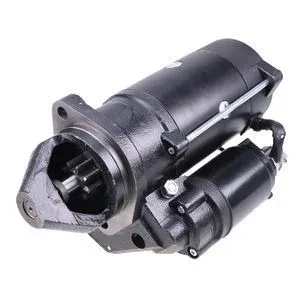
Matched Electrical Sets — Engine serial variants within TCD 2.9 and TCD 3.6 families confirmed before dispatch to prevent mounting and connector mismatches during overhaul.
Technical Specifications
| Parameter |
Value |
| Part Number |
04131602 |
| Product Type |
Starter Motor |
| Cross-Reference |
Deutz 04131602, 04606897, Iskra AZE4282, IS1380, LETRIKA ISKRA 11132058, 11132377, MAHLE MS658, Woodauto STR60750 (reference only) |
| Machine Fitment |
TCD 2.9, TCD 3.6, TD 2.9, TD 3.6 series engines |
| Voltage |
12V |
| Drive Gear |
9T |
| Condition |
New Aftermarket |
| Quality Standard |
ISO 9001 |
| Warranty |
3–12 months against manufacturing defects |
Application Suitability
| Engine System |
Related Components |
| Starting & Cranking |
Flywheel ring gear, battery cables, starter relay |
| Charging System |
Alternator, voltage regulator, drive belt |
| Fuel Shutdown |
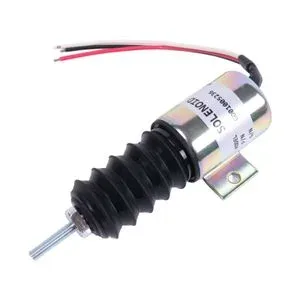
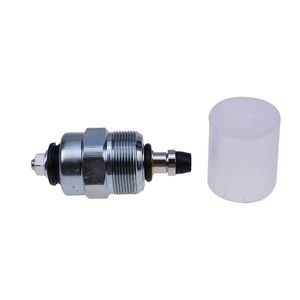
Stop solenoid, wiring harness connectors |
| Engine Sealing |
Rear crankshaft seal, flywheel housing gasket |
Why a Starter Motor Fails Again Within Weeks of an Engine Rebuild
The root cause is rarely the starter itself — it lives in the electrical and mechanical environment around it.
During teardowns, I frequently find that the flywheel ring gear teeth are already hooked or chipped from the previous starter's failing drive engagement. A new starter motor engine rebuild replacement forced against damaged ring gear teeth will experience the same high-current spikes and premature drive gear wear that destroyed the unit it replaced [NEED_CITE: flywheel ring gear inspection criteria during engine overhaul]. Corroded battery cable terminals and undersized grounding straps introduce voltage drop that starves the starter of cranking current, causing it to overheat internally while the operator only notices slow cranking. Rebuilding the engine without refreshing these adjacent electrical and mechanical interfaces means the replacement starter inherits the same hostile operating conditions.

The Starter's Position in the Engine Electrical Auxiliary System
This starter motor is not a standalone component — it functions as part of a matched electrical auxiliary set that includes the alternator, stop solenoid, and associated wiring harness. During a complete engine overhaul on TCD 2.9 or TCD 3.6 platforms, evaluating and replacing these components together ensures that the rebuilt engine starts reliably on the test bench and continues to do so in service. A starter motor engine rebuild replacement paired with a weak alternator will face repeated deep-cranking cycles that shorten its brush and solenoid life.
Engine Serial Variants and the Mounting Pattern Trap
The TCD 2.9 and TCD 3.6 engine families span multiple serial ranges, and Deutz has revised mounting flange configurations and electrical connector types across production years. Ordering solely by the base engine model without confirming the serial number risks receiving a starter with a misaligned bolt pattern or an incompatible plug [NEED_CITE: Deutz TCD engine serial variant identification procedures]. I have seen rebuild shops discover this mismatch only when the engine is already on the stand with the flywheel housing bolted up. Verification against the engine serial before dispatch prevents this costly teardown reversal.
Decoding the 12V 9T Specification for Rebuild Context
The 12V rating defines the electrical system this starter motor engine rebuild replacement is designed for — connecting it to a 24V system, even briefly during bench testing, will destroy the solenoid coil and armature windings immediately. The 9-tooth drive gear must mesh precisely with the flywheel ring gear's tooth pitch; even one tooth difference in specification would prevent engagement entirely. The ISO 9001 production standard ensures dimensional consistency in the mounting flange and drive gear profile across production batches, which matters when you are fitting the unit onto a freshly machined flywheel housing where tolerance stack-up is minimal.
The Cost of Skipping System-Level Diagnosis
When a rebuild shop installs a new starter without tracing the failure cause of the old one, the pattern repeats. Seized engine bearings or an over-tightened rear main seal create excessive rotational resistance that forces the starter to draw current well beyond its rated capacity [NEED_CITE: starter motor current draw diagnostics for diesel engines]. The new unit survives the first few starts, then its internal contacts pit and weld from the sustained overload. The machine returns to the shop with the same no-crank symptom, the customer loses confidence, and the shop absorbs a warranty replacement that could have been avoided with a simple resistance check on the battery cables and a ring gear tooth inspection.
Sourcing This Starter Motor for Your Rebuild Program
Our own production lines and qualified sourced supply carry identical QC and warranty terms, so you receive consistent quality whether this starter motor engine rebuild replacement comes from our facility or a partner plant. Eight product categories under one account mean the alternator, stop solenoid, seal kits, and gaskets for the same TCD engine ship in a single consignment. Minimum order from one piece supports both emergency rebuilds and planned fleet overhaul programs. Part identification works from the number, engine model, or a photograph of the nameplate when paint and wear have made it illegible. Cross-reference verification covers superseded numbers so older Deutz serial ranges are not left unsupported. A sample unit is available for fitment confirmation before you commit to a bulk order for your rebuild shop's stocking program.
Documentation & Verification
- Commercial invoice listing starter motor specifications and cross-reference numbers (reference only)
- Engine compatibility sheet matching your TCD serial range to confirmed mounting variant
- Quality inspection record including bench-test cranking current and no-load speed data
- Warranty terms covering manufacturing defects for 3–12 months from delivery
- Packing photographs showing protective caps on drive gear and electrical terminals
- HS code and customs classification support for international engine parts shipments
Installation & Rebuild Sequence
- Inspect flywheel ring gear teeth for hooking or spalling before mating the new 9T drive gear
- Clean mounting flange surface and verify bolt torque to prevent housing distortion
- Confirm battery cable terminal condition and ground strap continuity before first cranking attempt
- Bench-test the starter motor engine rebuild replacement for engagement and current draw before engine installation
- Verify stop solenoid and alternator wiring connector compatibility with the new harness routing
Requesting a Matched Electrical Set Quotation
Provide your Deutz engine model, serial number, and any previous rebuild history so we can confirm the correct mounting variant and connector type. If the engine nameplate is missing or illegible, send photographs of the old starter's mounting flange and electrical connector — these details are sufficient for identification. Specify whether you need the starter alone or a matched set including alternator and stop solenoid for consolidated dispatch.
Frequently Asked Questions
Q: What other engine electrical components should be replaced together with the starter motor?
A: During a TCD 2.9 or TCD 3.6 overhaul, we recommend evaluating the alternator, stop solenoid, and wiring harness connectors as a matched set. Worn alternator brushes or a failing stop solenoid create electrical conditions that shorten starter life. Shipping these components together from one supplier ensures compatibility and eliminates split freight costs.
Q: How do I confirm the correct variant for my specific Deutz engine serial number?
A: Send us the engine serial number from the nameplate or a photograph of the old starter's mounting flange and connector. Cross-reference tables alone can carry errors across model generations, so we verify against production records to confirm bolt pattern, connector type, and drive gear specification before dispatch.
Q: What system-level faults cause premature starter motor failure?
A: Damaged flywheel ring gear teeth, corroded battery cable terminals, and undersized ground straps all force the starter to operate under excessive current draw. Internal engine resistance from overtightened seals or bearing preload can produce the same effect. Identifying these conditions during teardown prevents the replacement unit from failing within weeks.
Q: Can I get a matched set including alternator and stop solenoid in one shipment?
A: Yes. Our eight-category inventory covers the full engine electrical auxiliary system, so starter, alternator, stop solenoid, and associated seals ship as one consignment under a single account and warranty. This eliminates the coordination burden of sourcing electrical components from multiple suppliers with mismatched lead times.