Matched System Supply — Every starter motor dispatched with verified cross-reference sheet matching engine serial variant and rebuild history.
Technical Specifications
| Parameter |
Value |
| Part Number |
16824-63013 |
| Product Type |
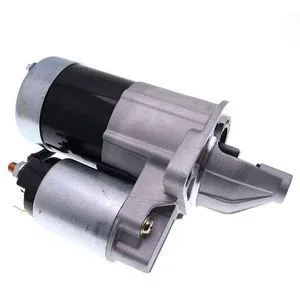
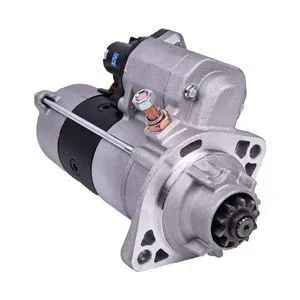
Starter Motor |
| Cross-Reference |
114686, 16824-63010, 16824-63011, 16824-63012, 16824-63014, LRS04119, M000T88081, M000T88082, M000T88084, M0T88081, M0T88082, M0T88084, KEARS-16824, STR71217 (for identification purposes) |
| Machine Fitment |
D902, D902E, D902-E2B-DGDE-1 |
| Voltage |
12V |
| Power |
1.2KW |
| Teeth |
8 |
| Condition |
New Aftermarket |
| Warranty |
3-12 months against manufacturing defects |
| Standard |
ISO 9001 |
Application Suitability
| Engine System |
Related Components |
| Cranking & Starting System |
Flywheel ring gear, battery cables, solenoid relay, starter mounting bolts |
| Electrical Auxiliary |
Alternator, wiring harness connectors, ignition switch contacts |
| Engine Block Interface |
Starter nose housing seal, mounting gasket, heat shield hardware |
Why the Same Starter Number Fits Three Engine Variants
A starter motor for Kubota D902 engine rebuild replacement must be confirmed against the specific engine serial variant before assembly closure.
I have seen rebuild shops install a starter that physically bolted up but failed to engage the ring gear properly on a D902-E2B-DGDE-1 variant. The D902, D902E, and D902-E2B-DGDE-1 share a base designation but differ in flywheel housing depth and pinion engagement travel. A starter that cranks a standard D902 may spin freely or grind teeth on the E2B variant. This is not a defect in the unit — it is a mismatch in engagement geometry that only surfaces under load [NEED_CITE: engine serial variant differences in Kubota D902 series cranking systems].
What the Electrical System Reveals Before the Starter Fails
A starter motor for Kubota D902 engine rebuild replacement rarely fails in isolation. The root cause typically sits upstream in the battery condition, cable resistance, or solenoid circuit integrity. In desert conditions, I have watched high ambient temperature accelerate terminal corrosion until voltage drop at the starter solenoid fell below the threshold needed for full pinion engagement. The starter then draws excessive current trying to turn the engine over, overheats the windings, and burns out within weeks. Replacing only the starter without tracing the voltage drop means the next unit will fail the same way.
Cranking System Placement in the Overhaul Sequence
The starter sits at the final stage of the reassembly sequence, after the flywheel is torqued and the bell housing is sealed. Its position within the engine's cranking and electrical system means that matched tolerances and verified engine serial variants prevent repeat failures during rebuilds or single-component repairs. If the flywheel ring gear shows wear on the leading edge of the teeth, the new starter pinion will chatter and fail to engage — a problem that looks like a bad starter but is actually a worn gear.
Dimensional Tolerances Across Rebuild Histories
Engines that have been through previous rebuilds may have non-standard clearances at the starter mounting flange. Shim stock added behind the mounting bolts to compensate for a resurfaced flywheel changes the pinion-to-ring-gear engagement depth. A starter motor for Kubota D902 engine rebuild replacement must be verified against the actual measured engagement, not just the part number [NEED_CITE: starter engagement depth measurement procedures for small diesel engines]. Request a compatibility verification sheet that matches your specific engine build configuration before finalizing the order.
Voltage and Current Ratings Under Thermal Load
The 12V 1.2KW rating defines nominal output under standard test conditions. In high-ambient-temperature environments common to construction and mining sites, the actual available current drops as battery internal resistance rises. The 8-tooth pinion gear is designed to match the module and pressure angle of the Kubota D902 series flywheel ring gear. Mismatched tooth profile causes partial engagement, which concentrates load on two or three teeth and shears them under cranking torque.
Pinion Engagement and Ring Gear Interface
The 8-tooth configuration determines the engagement ratio and the force distribution across the ring gear circumference. Each tooth must slide fully into the ring gear gap before the solenoid closes the main contact and applies full torque. If the nose housing is worn or the drive end bushing has excessive clearance, the pinion enters at an angle and binds. This produces the grinding noise operators describe as "the starter trying but not catching."

The Hidden Cost of Skipping Root-Cause Diagnosis
Installing a new starter without checking the circuit that destroyed the last one guarantees a second teardown. Corroded battery terminals, undersized cables, or a failing solenoid relay all force the starter to operate outside its designed current range. The result is a warranty claim on a unit that was never actually defective — just asked to do more than its rating allows. Shops that skip the voltage drop test end up replacing starters on the same machine multiple times before finding the real fault [NEED_CITE: electrical system voltage drop testing standards for diesel engine cranking circuits].
Why Source the Cranking System Here
Self-produced and qualified sourced supply carry the same QC and warranty terms, so the starter ships with consistent documentation regardless of production line. Eight categories across engine, hydraulic, electrical, and auxiliary systems mean the mounting bolts, heat shield, and wiring connectors travel in one consignment. Minimum order from one piece supports the single-engine rebuild without forcing bulk commitments. Guangzhou warehouse stock enables fast dispatch on common D902 series variants. Part identification works from number, machine model, photograph, or nameplate image. Technical team confirmation covers serial variant matching and engagement depth verification before the unit ships.
Documentation & Verification
- Commercial invoice listing starter part number and cross-reference numbers marked reference only
- Compatibility sheet matching D902 serial variant to pinion engagement specification
- Pre-shipment test record showing no-load current draw and pinion throw distance
- Warranty terms covering manufacturing defects for the stated period
- Packing photographs confirming unit condition and protective end caps before crating
- HS code and customs documentation support for destination clearance
Installation & Rebuild Sequence
- Confirm flywheel ring gear tooth condition before mounting the 8-tooth pinion starter
- Clean mounting flange surface and verify no residual shim stock from prior rebuild
- Torque mounting bolts to specification and check pinion-to-ring-gear clearance with feeler gauge
- Perform voltage drop test at solenoid terminal before connecting main battery cable
- Verify cranking RPM and engagement sound on first start before closing bell housing access
Preparing Your Enquiry
Provide the engine model designation, serial number, and any previous rebuild documentation so the correct variant is matched. If the nameplate is unreadable, a photograph of the existing starter and flywheel housing allows identification. Specify whether the engine is in a generator, excavator, or agricultural application, as duty cycle affects accessory recommendations.
Frequently Asked Questions
Q: What engine serial details do I need to confirm starter compatibility?
A: Provide the full engine model designation including any suffix such as D902E or D902-E2B-DGDE-1, along with the serial number from the block nameplate. These identify the flywheel housing depth and ring gear specification that determine correct pinion engagement travel. A photograph of the nameplate is sufficient if the stamping is partially worn.
Q: Why are there multiple cross-reference numbers for the same starter?
A: Different reference systems and aftermarket catalogues assign their own identifiers to the same fitment. The numbers listed serve for identification purposes across suppliers and regions. Our cross-reference verification confirms which of these designations correspond to the exact engagement geometry and mounting pattern your engine variant requires.
Q: What other components should I inspect or replace when changing the starter?
A: Check the flywheel ring gear teeth for wear or chipping on the engagement edge. Test battery condition and cable resistance with a voltage drop measurement. Inspect the solenoid relay contacts for pitting. Replace mounting bolts if stretched and verify the nose housing seal that prevents oil migration from the flywheel housing.
Q: How do I identify whether a previous rebuild changed the engine configuration?
A: Look for non-standard shim stock behind the starter mounting flange, which indicates a resurfaced flywheel changed the engagement depth. Check whether the ring gear has been replaced with a different tooth count or module. Review any available rebuild records for component substitutions that affect starter fitment.
Q: What documentation comes with the starter for fitment and quality verification?
A: Each unit ships with a compatibility sheet matching the part number to your specific engine variant, a pre-shipment test record covering current draw and pinion throw measurement, warranty terms, and a cross-reference table marked for identification purposes. Packing photographs confirm condition before dispatch.