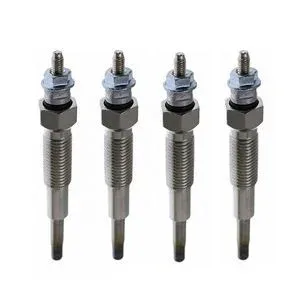
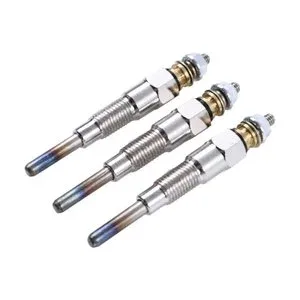
Matched Set Supply — Four glow plugs verified against your engine serial variant before dispatch, ensuring uniform thermal output across all cylinders.
Technical Specifications
| Parameter |
Value |
| Part Number |
185366190 TPN257 |
| Product Type |
Glow Plug |
| Cross-Reference (reference only) |
185366092, 185366180, 185366060, 185366210, T436932 |
| Machine Fitment |
Perkins 404D-22, 404D-22T, 404D-22TA, 404C-22, 404C-22T, 104-19, 104-22 |
| Thread Specification |
M10×1.25 |
| Seat Geometry |
90° conical seat |
| Heating Element |
Inconel 600 alloy sheath |
| Resistance at 20°C |
7.2V ±0.3V |
| Heat-up Time |
≤ 12 seconds to 850°C |
| Intermittent Peak Temperature |
1,000°C |
| Surface Hardness |
HRC 58–62 |
| Sealing Protection |
IEC 60529 IP67 |
| Condition |
New Aftermarket |
| Warranty |
3–12 months against manufacturing defects |
Application Suitability
| Engine System |
Related Components |
| Cold-Start Auxiliary |
Cylinder head pre-chamber seals, injector return lines |
| Fuel Delivery Timing |
Injection pump calibration, ECU timer module feedback |
| Combustion Initiation |
Piston crown condition, compression ring sealing |
| Electrical Control Circuit |
Glow plug relay, wiring harness terminals, fuse rating |
Why Cold-Start Failures Rarely Stop at One Glow Plug for Perkins Engine Rebuild
A single failed glow plug typically indicates thermal fatigue across the entire set, making matched replacement the only reliable path.
When one unit in a four-cylinder Perkins 400-series fails, the remaining three have endured identical thermal cycles and voltage loads. Leaving them in place invites sequential failure over subsequent weeks, forcing repeat teardowns of the cylinder head cover and associated gaskets. In desert environments where nighttime temperatures still drop enough to demand pre-heating, incomplete combustion from a weak plug accelerates piston crown carbon buildup and injector tip erosion [NEED_CITE: diesel cold-start combustion byproducts and injector wear correlation]. Rebuild shops that replace only the faulty unit routinely see the engine return within months for the same complaint.

The Auxiliary System Context for 185366190 TPN257
This Glow Plug for Perkins engine rebuild sits within the cold-start auxiliary circuit, working in concert with the relay, timer module, and ECU feedback loop. Uniform resistance across all four plugs ensures the ECU receives consistent timing signals, preventing the drift that causes rough idle and white smoke on startup.
Engine Serial Variants and Fitment Verification
Perkins 404D-22 and 404C-22 families span multiple production runs with subtle glow plug specification changes. The cross-reference numbers 185366190 and TPN257 cover different build periods, and installing the wrong variant risks thread engagement depth errors or incorrect seat contact. We verify engine serial ranges before confirming the applicable reference, preventing the mismatch that causes compression leaks past the 90° conical seat [NEED_CITE: Perkins 400-series engine serial breakpoint documentation].
Decoding the Thermal and Electrical Specifications
The Inconel 600 sheath withstands intermittent peaks of 1,000°C without oxidation embrittlement, a necessity when repeated cold starts demand extended glow cycles. The 7.2V ±0.3V resistance at 20°C falls within the ECU's expected feedback window; deviation outside this band triggers fault codes or causes the timer module to cut pre-heat short. The M10×1.25 thread with 90° conical seat must mate precisely with the cylinder head bore—any gap compromises heat transfer into the pre-chamber and allows combustion gases to erode the seat interface. IP67 sealing prevents moisture intrusion along the terminal, which otherwise corrodes the internal heating coil connection.
The Hidden Cost of Mismatched Replacement
Installing a single new plug alongside three aged units creates uneven cylinder pre-heating. The fresh plug reaches target temperature faster, while the older units lag, causing the ECU to misread overall system health. This imbalance produces cylinder-to-cylinder combustion variation that loads the crankshaft unevenly and accelerates main bearing wear [NEED_CITE: uneven cylinder combustion effects on crankshaft bearing load distribution]. Shops that skip the matched set approach often chase phantom fuel system faults, replacing injectors and pumps while the root cause remains in the auxiliary circuit.
Why Source This Component Through XUNPO
We supply the matched four-piece set under a single part number with resistance values verified per batch, so you receive uniform thermal characteristics out of the box. Our technical team cross-checks your engine serial against the applicable OEM reference (185366190, TPN257, or alternate numbers) before confirming shipment, eliminating the trial-fitment guesswork. Sample units are available for fitment confirmation before you commit to bulk quantities for your rebuild pipeline. Quality inspection records accompany each shipment, documenting the resistance and thermal cycling test results for your traceability files.
Documentation & Verification
- Commercial invoice listing matched set quantities and applicable cross-reference numbers (reference only)
- Engine serial-to-part compatibility sheet verified against Perkins build records
- Batch-specific resistance measurement and thermal cycling test report
- Warranty certificate covering manufacturing defects for 3–12 months from delivery
- Pre-dispatch packaging photographs showing anti-static sealed bags and foam cushioning
Installation & Rebuild Sequence
- Clean cylinder head glow plug bores with compressed air before installation to prevent carbon debris from entering the pre-chamber.
- Apply manufacturer-specified anti-seize compound to the M10×1.25 threads, avoiding the 90° conical seat contact surface.
- Torque each plug to the specified value to ensure full seat contact without thread distortion.
- Verify wiring harness terminal condition and relay function before energizing the new set.
- Perform initial cold-start test and monitor ECU feedback for uniform cylinder contribution.
Request a Compatibility Confirmation
Provide your Perkins engine model, serial number, and any previous rebuild history so we can verify the correct cross-reference variant and resistance specification for your application.
Frequently Asked Questions
Q: Should I replace all glow plugs or just the failed one in my Perkins 404D-22?
A: Replace as a matched set. The remaining plugs have endured identical thermal cycles and will fail sequentially, forcing repeat cylinder head cover removal. Uniform resistance across all four units ensures the ECU receives consistent timing feedback, preventing rough idle and incomplete combustion damage to pistons and injectors during cold starts.
Q: What other engine components should I inspect when replacing glow plugs?
A: Inspect injector copper seals, cylinder head thread condition, and pre-chamber carbon buildup while the area is accessible. Check the glow plug relay contacts and wiring harness terminals for corrosion or heat damage, as these cause voltage drops that mimic plug failure. Verify the timer module output matches specification.
Q: How do I confirm which cross-reference number matches my engine serial?
A: Perkins 404-series variants use different glow plug specifications across production runs. Provide your full engine serial number so we can verify whether 185366190, TPN257, or an alternate reference applies. Cross-reference tables copied between sellers often carry errors, so we validate against build records before confirming compatibility.
Q: Can a glow plug failure indicate a deeper engine system problem?
A: Yes. Repeated glow plug failures may signal a faulty relay delivering excessive voltage, a timer module holding the circuit energized too long, or wiring harness degradation causing intermittent connection. Diagnose the control circuit before replacing plugs, or the new set will fail prematurely from the same underlying fault condition.
Q: What is the recommended replacement interval for glow plugs in Perkins 400-series engines?
A: Replacement intervals depend on cold-start frequency, ambient temperature range, and electrical system health rather than fixed operating hours. Generator sets in temperature-controlled environments may exceed typical intervals, while construction equipment in cold climates demands more frequent attention. Monitor cold-start performance and ECU fault codes as practical indicators.