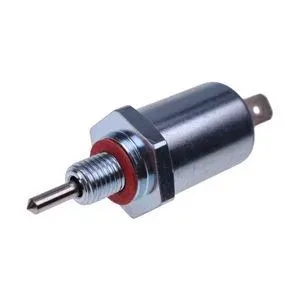
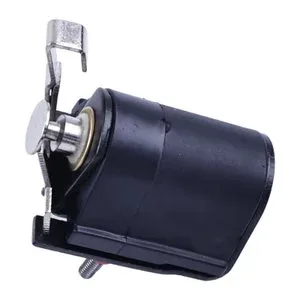
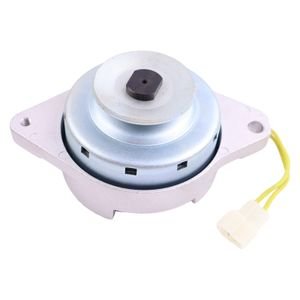
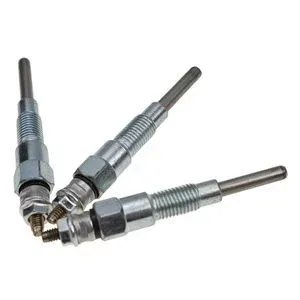
System-Matched Auxiliary Supply — solenoid variant confirmed against engine serial to prevent fuel system mismatch during rebuilds.
Technical Specifications
| Parameter |
Value |
| Part Number |
M138477 |
| Cross-Reference |
M138477 (reference only for identification purposes) |
| Product Type |
Stop Solenoid |
| Machine Fitment |
325, 335, 345, 777, GX325, GX345, LT180, LTR180, LX277, LX279, X475, X520, X540, X575, X700, X710, HPX615E, 4X2 Gator, 6X4 Gator, Diesel Gator, Trail Gator, Worksite Gator, 4X2 HPX, 4X4 HPX, 4X4 Trail HPX Gator, Z840A |
| Brand Compatibility |
Fits John Deere and Kawasaki-powered engines |
| Condition |
New Aftermarket |
| Coil Type |
Precision-wound coil |
| Valve Body Material |
Brass |
| Operating Temperature |
Up to 100°C |
| Warranty |
3–12 months against manufacturing defects |
| Manufacturing Standard |
ISO 9001 certified production partners |
Application Suitability
| Engine System |
Related Components |
| Fuel delivery shutdown circuit |
Fuel filter, fuel lines, ignition switch wiring |
| Electrical control for engine stop |
Relay, fuse, wiring harness connector |
| Carburetor or throttle body interface |
Gasket, mounting hardware, throttle linkage |
| Engine auxiliary during overhaul |
Complete gasket set, carburetor rebuild kit |
Why a Fuel Shut Off Solenoid M138477 Engine Replacement Fails Before It Even Starts
Most repeat solenoid failures trace back to a fuel system fault that was never diagnosed.
A workshop tears down the carburetor, swaps the solenoid, and the machine is back within the hour — only to have the replacement fail within a week. The root cause sits upstream: a clogged fuel filter starving the circuit, a corroded connector dropping voltage below engagement threshold, or a wiring harness rubbing through on the engine tin. Replacing the solenoid without tracing the fuel shut off solenoid M138477 engine replacement circuit end-to-end turns a ten-minute diagnostic into a recurring comeback. [NEED_CITE: electrical fault diagnosis sequence for small engine fuel shutoff circuits]
In our technical support queue, misdiagnosed solenoid failures rank among the most common unnecessary parts orders. The symptom — engine will not shut off, or cranks but will not fire — can originate anywhere from the ignition key switch to the ground path. Systematic verification before parts commitment saves both inventory spend and machine downtime.

The Solenoid's Position Inside the Fuel and Electrical Boundary
This component sits exactly where the electrical system hands off to fuel delivery. When the ignition switches off, the coil de-energizes and the brass valve body seals the fuel passage, preventing after-run and backfire. A Fuel Shut Off Solenoid M138477 engine replacement that does not match the original coil winding specification will either draw excessive current — stressing the ignition switch contacts — or fail to generate enough magnetic force for positive closure. That is why matching the solenoid to the specific engine build matters more than matching a part number alone.
Engine Serial Variants That Change the Connector and Coil Spec
Kawasaki FD and FH series engines were produced across multiple serial ranges, and the solenoid configuration changed mid-production without a new external part number. We have seen cases where a Kawasaki FD611V solenoid was ordered by machine model alone, only to arrive with a connector that did not mate with the existing harness. The physical bolt pattern matched perfectly, which made the mismatch harder to catch until the technician attempted to plug it in. Verification against the engine serial number — not just the machine model — eliminates this class of fitment error before the package ships. [NEED_CITE: Kawasaki FD and FH series engine serial variant documentation]
Reading the Specs That Actually Determine Field Performance
The brass valve body is specified for fuel containment at sustained operating temperatures up to 100°C. Brass resists the corrosive effects of ethanol-blended fuels better than zinc alloys, which matters in agricultural and utility equipment that may sit with fuel in the system for extended periods. The precision-wound coil must match the machine's electrical system voltage to deliver consistent engagement force across the full operating temperature range. An underspecified coil will weaken as engine bay heat rises, leading to intermittent shutdown failures that appear random and are difficult to reproduce on the bench.
The Cost of Installing Without Checking the System Fault
A solenoid that fails prematurely after installation is almost never a defective part — it is a symptom of the fault that killed the original. Voltage drop across a corroded connector forces the coil to operate below its design envelope, generating excess heat and accelerating insulation breakdown. Fuel contamination from a degraded upstream filter can deposit varnish on the valve seat, preventing full closure and forcing the coil to work harder on every engagement cycle. Replacing the Fuel Shut Off Solenoid M138477 engine replacement without addressing these upstream conditions guarantees a repeat failure. [NEED_CITE: root cause analysis methodology for solenoid coil burnout in small engines]
Why Rebuild Shops Source This Component Through a System-Level Account
Our own production lines and qualified sourced supply operate under one account and one warranty, so a solenoid ships alongside the gasket set, fuel filter, and wiring connector in a single consignment. Part identification works from a part number, machine model, photograph, or nameplate image — whichever is legible on a machine that has seen years of field service. Cross-reference verification covers superseded and alternate numbers, catching production mid-run changes that generic interchange tables miss. A sample can be supplied for fitment confirmation before a fleet-level commitment, and the technical team confirms compatibility against engine serial and rebuild history. This matters when an overhaul kit must match the specific engine build sitting on the bench, not just the model family.
Documentation & Verification
- Commercial invoice listing M138477 with engine serial cross-reference
- Compatibility sheet marking OEM reference numbers as reference only
- Coil resistance and seal integrity test record per unit
- Warranty terms covering defects under normal engine operating conditions
- Packing photographs showing connector protection during transit
- HS code and customs classification support for international engine parts shipments
Installation & Rebuild Sequence
- Clean the solenoid mounting surface and fuel passage before assembly to prevent contamination ingress
- Verify connector pin count and latch type against the existing harness before final installation
- Torque mounting hardware to specification to avoid distorting the brass valve body
- Confirm coil polarity and test engagement with ignition key before reassembling engine tin
- Run the engine through a full warm-up cycle and verify clean shutdown without after-run
Inquiry Guidance for Engine-Level Procurement
Provide the engine model, serial number, and any rebuild history so we can confirm which solenoid variant matches the specific build on your bench. If the nameplate is worn or painted over, a photograph of the existing solenoid connector and mounting pattern is usually sufficient for identification. For overhaul planning, share the complete job list so auxiliary components ship matched to the same engine serial range.
Frequently Asked Questions
Q: What other fuel system components should be inspected alongside this solenoid during an engine repair?
A: The fuel filter, fuel lines, ignition switch wiring, and connector terminals should all be checked for restrictions, cracks, and voltage drop. A corroded connector or degraded filter can cause the new solenoid to fail prematurely. Addressing the full fuel shut off circuit during the same service event prevents repeat comebacks and unnecessary parts replacement.
Q: How do I confirm which solenoid variant matches my specific Kawasaki engine serial number?
A: Provide the engine serial number from the nameplate or stamped on the engine block. Kawasaki FD and FH series engines have production variants with different connector types and coil specifications under the same external part number. We verify against engine build records to ensure the correct variant ships, eliminating plug-and-fit mismatches.
Q: Can this solenoid be included in a complete engine overhaul parts package?
A: Yes. We consolidate solenoids, gasket sets, fuel system components, and electrical connectors into a single consignment matched to the same engine serial range. This ensures all parts arrive together and are verified for compatibility with the specific engine build before the overhaul begins.
Q: What system-level faults could cause a new solenoid to fail prematurely after installation?
A: Voltage drop from corroded connectors, fuel contamination from a degraded upstream filter, and incorrect coil polarity are common causes. The solenoid itself is often the victim rather than the root cause. Diagnosing the fuel and electrical circuit before replacement avoids misdirected parts spend.
Q: How do I identify my engine model if the nameplate is worn or unreadable?
A: Send a photograph of the existing solenoid, its connector, and the engine block casting numbers. Our technical team can identify the engine model and serial range from these images, then cross-reference the correct solenoid variant. This avoids trial fitment and the downtime that comes with ordering the wrong configuration.