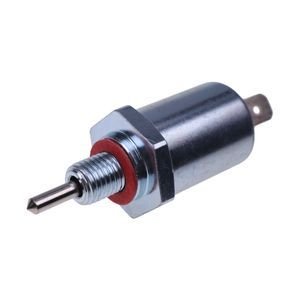
Engine Serial Variants Confirmed — cross-reference AM882277 and AM876416 verified against John Deere 670–1070 engine builds before dispatch.
Technical Specifications
| Parameter |
Value |
| Part Number |
AM882277 |
| Product Type |
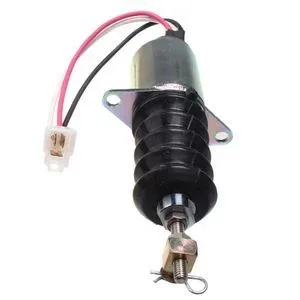
Stop Solenoid |
| Cross-Reference |
AM876416 (reference only), P610-C5V12 (reference only) |
| Machine Fitment |
John Deere 670, 770, 870, 970, 1070 Compact Utility Tractors |
| Voltage |
12V DC |
| Condition |
New Aftermarket |
| Insulation Class |
Class H |
| Sealing Material |
NBR rubber O-rings (SAE J2044 compliant) |
| Armature Core Material |
Low-carbon steel with nickel plating |
| Operating Temperature Range |
-20°C to +85°C |
| Warranty |
6 months against manufacturing defects |
| MOQ |
1 piece |
| Standards |
ISO 9001, SAE J2044, ISO 8535-1 |
Application Suitability
| Engine System |
Related Components |
| Fuel delivery and shut-off |
Fuel lines, injection pump, fuel filters, electrical harness connectors |
| Engine electrical subsystem |
Wiring harness, relays, ignition switch, voltage regulator |
| Scheduled overhaul refresh |
Overhaul gasket sets, fuel system seals, mounting hardware |
| Cold-start and stall prevention |
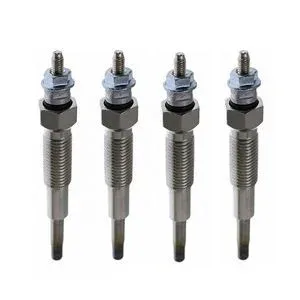
Glow plugs, battery cables, fuel primer pump |
Why Replacing the Solenoid Alone Keeps Bringing the Tractor Back to the Bench
A failed fuel shut-off solenoid is usually the symptom, not the disease.
In repair bays across Shandong, I have watched compact tractors return with the same stalling complaint weeks after a fresh solenoid was fitted. The root cause sat upstream — degraded fuel lines shedding particles into the injection pump, or a voltage drop across corroded harness terminals that starved the coil during cranking. Replacing the component without tracing the fault through the fuel delivery and electrical systems means the new fuel shut-off solenoid engine rebuild inherits the same failure cycle [NEED_CITE: diesel fuel system contamination and component failure root cause analysis]. The solenoid is the last gate before fuel enters the injection pump; anything wrong ahead of it lands on this part first.
How the Fuel Delivery System Shapes Solenoid Service Life
This stop solenoid sits at the intersection of the fuel and electrical systems on John Deere 670 through 1070 compact utility tractors. It controls fuel flow at the injection pump inlet, responding to ignition key position. When the coil energizes, the armature retracts and allows fuel passage; de-energizing cuts supply and stops the engine. A fuel shut-off solenoid engine rebuild that ignores upstream contamination or wiring faults is an incomplete repair — the new part simply absorbs the same abuse that destroyed its predecessor.

Matching the Electrical Subsystem to the Solenoid Coil
Class H insulation and a nickel-plated low-carbon steel armature core give this solenoid meaningful resistance to the thermal cycling and corrosion typical of engine-bay-mounted fuel components. The coil is rated for 12V DC operation, and quality inspection covers functional response at both 12.5V and 13.8V to simulate real-world charging system variance. Before fitting, confirm that the tractor's alternator output and harness connectors deliver stable voltage within this range — intermittent stalls often trace to voltage sag rather than solenoid failure [NEED_CITE: mobile equipment electrical system voltage stability standards]. Engine serial variants across the 670–1070 range may present different connector configurations; verifying the exact build prevents a mis-match at the plug.
Reading the Specs That Matter at the Injection Pump Inlet
The NBR rubber O-rings meet SAE J2044 for diesel fuel compatibility, which matters because swollen or degraded seals at the mating surface cause internal fuel leaks that mimic solenoid failure. Inspect these sealing surfaces during installation — reusing old O-rings from a previous service is a common shortcut that leads to repeat visits. The armature's dimensional tolerance of ±0.05 mm ensures consistent seating against the valve body, preventing partial fuel starvation that shows up as rough idle or hesitation under load. Operating range from -20°C to +85°C covers the thermal envelope of a compact tractor engine bay in most climates, from early-morning frost through sustained summer PTO work. Low-carbon steel with nickel plating resists the corrosion that seizes armatures in solenoids left exposed to fuel vapor and condensation over long idle periods [NEED_CITE: diesel fuel system component material compatibility standards].
The Cost of Skipping the System Diagnosis
Fitting a new solenoid without checking the injection pump condition, fuel line integrity, and wiring harness means the failure returns — often within the same season. The tractor goes back down during planting or harvest when downtime carries the heaviest consequence. Rebuild shops that treat the solenoid as an isolated replacement accumulate repeat jobs, eroding customer confidence. A system-level diagnosis takes marginally longer at the bench but eliminates the return visit that costs far more in reputation and warranty exposure [NEED_CITE: agricultural equipment maintenance scheduling and downtime cost impact]. The same applies to municipal fleets and landscaping contractors running multiple 670–1070 series tractors — one unresolved fuel system fault can cascade across a fleet sharing the same maintenance pattern.
Why Rebuild Shops Source This Solenoid Through Our Engine System Catalog
Self-produced and qualified sourced lines carry identical QC and warranty terms, so a fuel shut-off solenoid engine rebuild ships with the same documentation whether it comes from our facility or a partner line. Eight product categories under one account mean the solenoid, fuel filters, gasket sets, and harness connectors consolidate into a single consignment. One-piece minimum order supports the emergency single-tractor repair alongside fleet-level stocking. Cross-reference verification covers superseded number AM876416 and alternate P610-C5V12, catching variant differences before the order ships. Technical support confirms engine serial compatibility and grade selection from the photograph of a worn nameplate. Sample supply allows fitment confirmation before a bulk commitment locks in inventory.
Documentation & Verification
- Commercial invoice listing AM882277 with cross-reference AM876416 (reference only) for customs clearance
- Compatibility sheet mapping engine serial ranges to connector and mounting variants
- Functional test record at 12.5V and 13.8V with seal integrity confirmation
- Six-month warranty terms covering manufacturing defects on coil and armature
- Packing photographs showing solenoid protection and O-ring sealing surfaces
- HS code guidance for fuel system solenoid import classification
Installation & Rebuild Sequence
- Verify engine serial number to confirm correct connector type before opening the package
- Replace NBR O-rings at mating surfaces — never reuse seals from the previous solenoid
- Check fuel line condition and injection pump inlet screen for contamination before fitting
- Confirm harness voltage at the connector with ignition on before energizing the new coil
- Run the engine through a cold-start and hot-shutdown cycle to verify shut-off response
- Inspect adjacent fuel filters and replace if contamination contributed to the original failure
Requesting a Fitment-Confirmed Quote
Provide the engine model, serial number, and any visible cross-reference markings from the old solenoid. If the nameplate is worn or painted over, a photograph of the tractor data plate and the existing solenoid connector allows our technical team to confirm the correct variant. For overhaul shops planning fuel system refreshes across multiple 670–1070 units, share the engine build list so matched components ship together.
Frequently Asked Questions
Q: What other fuel system components should I inspect when replacing the shut-off solenoid?
A: Inspect fuel lines for internal degradation, the injection pump inlet screen for contamination, and the wiring harness connector for corrosion or voltage drop. Fuel filters should be replaced if particles contributed to the original failure. A system-level check prevents the new solenoid from inheriting the same upstream fault that destroyed the previous unit.
Q: How do I confirm which cross-reference number applies to my engine serial?
A: Provide your engine serial number and tractor model year. We verify AM882277 against superseded number AM876416 and alternate P610-C5V12, checking connector type and mounting configuration against your specific build. Engine serial variants within the 670–1070 range can differ in these details.
Q: My tractor stalls intermittently — could the root cause be elsewhere in the fuel system?
A: Intermittent stalling frequently traces to voltage sag at the solenoid connector, contaminated fuel lines, or a failing injection pump rather than the solenoid itself. Diagnosing the electrical supply stability and fuel delivery integrity before replacement avoids fitting a new part into a system that will destroy it again within weeks.
Q: Do you supply matched fuel system kits for John Deere 670–1070 engines?
A: We supply fuel filters, gasket sets, O-ring kits, and electrical harness connectors alongside the stop solenoid under one account. Sharing your engine build details allows us to match components to your specific serial variant, consolidating the complete fuel system refresh into a single shipment.
Q: How do I verify the engine model and serial number if the nameplate is worn?
A: Send a photograph of the tractor data plate, the existing solenoid, and the connector. Our technical team cross-references visible casting marks and connector configuration against known John Deere 670–1070 engine builds to confirm the correct part before dispatch.