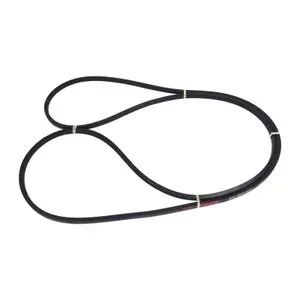
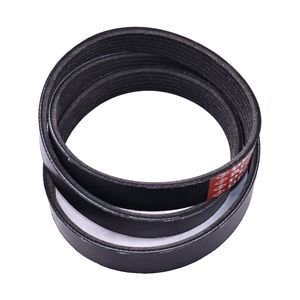
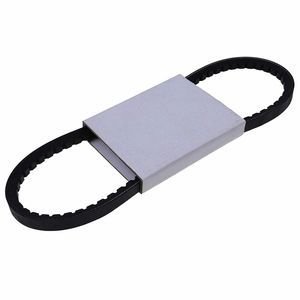
Verified Cross-Reference Match — Every listed OEM number for this Scag SVRII-61V belt drive component has been cross-checked against alternate and superseded references before listing.
Technical Specifications
| Parameter |
Value |
| Part Number |
486586 |
| Product Type |
Belt |
| Cross-Reference (reference only) |
754-05078, 954-05078, 574845603, 07200808, 5104583, 71460198, 539107709, 266-187 |
| Machine Fitment |
Scag SVRII-61V-25FX, SVRII-61V-26CV-EFI, SVRII-61V-29CV-EFI, SVRII-61V-31CV-EFI, SVRII-61V-31FX, SVRII-61V-37BV-EFI, SVRII-61V-38CV-EFI, SVRII-61V-38FX-EFI, SVRII-61V-40BV-EFI |
| Belt Compound |
EPDM synthetic rubber |
| Tensile Cord |
Reinforced polyester |
| Temperature Rating |
Continuous operation up to 120°C |
| Dimensional Tolerance |
±0.3 mm on length and width |
| Condition |
New Aftermarket |
| Warranty |
6 months against manufacturing defects |
| Standard |
ISO 9001 |
Application Suitability
| Engine System |
Related Components |
| Engine-to-deck drive on Scag SVRII-61V-31CV-EFI |
Idler pulleys, tensioner arm assembly, spindle bearings |
| Primary accessory drive on SVRII-61V-37BV-EFI |
PTO clutch, belt guards, deck drive sheaves |
| Secondary hydraulic pump drive on SVRII-61V-29CV-EFI |
Pump mounting flange, coupling insert, pump shaft seal |
| Main propulsion belt path on SVRII-61V-38FX-EFI |
Tensioner spring, idler bracket, belt guide rollers |
Why the Belt Keeps Failing After a Fresh Swap
A new Belt 486586 replacement engine drive system component will not survive if the root cause sits in the pulley train.
I have pulled belts off Scag SVRII-61V mowers that looked shredded after barely two weeks of commercial mowing. The worn cord was not the problem — a seized idler pulley bearing was dragging the belt sideways across the sheave groove every revolution [NEED_CITE: belt drive misalignment failure modes in commercial turf equipment]. The replacement took the abuse until it snapped. A Belt 486586 replacement engine drive system install only holds when the tensioner arm pivots freely, the sheave grooves are not polished to a mirror finish, and every pulley in the path spins true under load. Skipping these checks turns a scheduled maintenance task into a repeat breakdown.
System Position of the Belt 486586 in the Scag SVRII-61V Drive Train
This belt sits at the heart of the engine-to-deck power transfer path. It wraps the engine crankshaft sheave, routes through one or more idler pulleys, engages the tensioner arm, and finally drives the deck spindle or hydraulic pump input depending on the SVRII-61V variant. On EFI models like the SVRII-61V-26CV-EFI and SVRII-61V-29CV-EFI, the belt also passes near the fuel injection harness, so routing must avoid contact with wiring loom clips. Correct Belt 486586 replacement engine drive system fitment means the belt tracks centrally on every pulley without riding the flange edges.
Tensioner Wear, Pulley Groove Condition, and Adjacent Component Matching
The tensioner arm is the most overlooked item in this system. A worn pivot bushing allows the arm to oscillate under load, creating cyclic tension spikes that fatigue the polyester cord inside the belt. I check the arm by hand before any belt goes on — if there is lateral play beyond a barely perceptible amount, the bushing is gone [NEED_CITE: tensioner arm bushing wear criteria for commercial mower belt drives]. Groove wear on cast-iron sheaves is another silent killer. A polished groove bottom means the belt is riding too deep and losing side-wall grip, which accelerates slip and heat build-up. Replacing the Belt 486586 without addressing these conditions is setting the next failure in motion.
Material and Tolerance Details That Matter at 120°C
The EPDM compound in this Belt 486586 replacement engine drive system is chosen for its resistance to ozone cracking, UV degradation, and oil mist — all present in the enclosed engine bay of a commercial mower running eight-hour shifts in humid subtropical conditions. Standard neoprene belts harden and crack under the same thermal load. The polyester tensile cord limits elongation under acceleration cycles, which is where most stretch-induced slip occurs on high-inertia deck spindles. Holding dimensional tolerance to ±0.3 mm on both length and width ensures the belt seats properly in the original sheave grooves without bottoming out or riding high on the flanges. The surface texture is engineered for grip retention on both cast-iron and aluminum pulley materials commonly found across the Scag SVRII-61V model range.

The Hidden Cost of Ignoring the Pulley Train
A belt that fails prematurely takes the machine out of service again, often during peak mowing season when a single downed unit means missed contract deadlines. The second teardown costs the same labor as the first, and the crew now distrusts the parts supply. I have seen repair shops cycle through three belts before someone finally pulled the tensioner arm off and found the bushing worn to an oval [NEED_CITE: repeat belt failure root cause analysis in landscape contractor fleets]. The cumulative downtime from skipping a full system inspection far outweighs the extra minutes spent checking every pulley and bearing before the new belt goes on.
Why Source This Belt 486586 Through Our Engine Parts Channel
We produce selected belt drive lines in our own facility and source the remainder from qualified ISO-certified partners, both carrying the same quality control and six-month warranty terms. Our catalog covers engine parts, hydraulic systems, electrical components, and undercarriage across multiple equipment brands, so a complete SVRII-61V service order ships as one consignment. Minimum order is one piece — no MOQ blocking an emergency single-unit replacement. Our Guangzhou warehouse stocks fast-moving belt drive items for quick dispatch. Part identification works from an OEM number, a machine model, a photograph of the old belt, or a nameplate image. Cross-reference verification covers superseded and alternate numbers including 754-05078, 954-05078, and 266-187. We can supply a sample unit for physical fitment confirmation before you commit to a bulk stocking order.
Documentation & Verification
- Commercial invoice and packing list referencing Belt 486586 and all cross-reference numbers for customs clearance
- Part compatibility sheet listing all nine SVRII-61V model variants with cross-reference interchange marked reference only
- Dimensional inspection record confirming ±0.3 mm tolerance on length and width before dispatch
- Six-month warranty terms covering manufacturing defects in EPDM compound and polyester cord
- Packing photographs showing individual polybag sealing and part label barcode before crate closure
- HS code classification support for belt drive components exported under ISO 9001 quality management
Installation & Rebuild Sequence
- Verify tensioner arm pivot bushing for lateral play before removing the old Belt 486586 from the drive path
- Inspect all sheave grooves for polishing, pitting, or edge burrs that would abrade the new EPDM belt surface
- Route the Belt 486586 replacement engine drive system following the factory diagram, ensuring no contact with EFI wiring harness clips
- Apply tensioner spring preload and rotate the engine by hand two full revolutions to confirm central belt tracking on every pulley
- Run the mower at idle for five minutes and re-check belt alignment and tensioner arm stability before engaging the deck under load
Share Your Engine Serial and Rebuild History for Accurate Matching
Provide the full Scag SVRII-61V model designation, engine serial number, and any prior rebuild records so we can confirm which variant-specific routing applies. If the nameplate is worn or painted over, a clear photograph of the engine block casting number and the old belt label is enough for our technical team to verify compatibility. Mention any symptoms such as chirping at startup or lateral belt walk so we can advise on adjacent components to inspect alongside the Belt 486586 replacement engine drive system.
Frequently Asked Questions
Q: What other components should be inspected or replaced when changing this drive belt?
A: Check every idler pulley for bearing play, the tensioner arm pivot bushing for lateral movement, and all sheave grooves for polishing or wear. Tensioner springs lose preload over time and should be measured against specification. On EFI variants, confirm the belt path does not contact fuel line fittings or wiring harness clips. Addressing these items prevents the new belt from inheriting the previous failure mode.
Q: How do I confirm which cross-reference number applies to my specific SVRII-61V variant?
A: Provide the complete machine model such as SVRII-61V-37BV-EFI along with the engine serial number. Our cross-reference verification covers all listed alternate numbers including 754-05078, 954-05078, and 539107709 marked reference only. If the nameplate is unreadable, a photograph of the old belt imprint or engine casting marks allows our team to confirm the correct match for your specific build.
Q: What causes premature belt failure in this system beyond normal wear?
A: Seized or dragging idler pulley bearings create lateral forces that shred the belt sidewall. Worn tensioner arm bushings allow cyclic tension spikes that fatigue the polyester cord. Polished sheave grooves reduce side-wall grip, increasing slip and heat. Misrouted belts contacting wiring clips or fuel lines develop localized cuts. Each of these root causes must be corrected before installing the replacement.
Q: Are pulleys and tensioner arms available as a matched set with this belt?
A: Yes, our engine parts catalog includes idler pulleys, tensioner arm assemblies, and sheave components compatible with the Scag SVRII-61V series. Ordering the full set under one account consolidates dispatch and ensures dimensional compatibility across the belt drive path. Request a system-level compatibility sheet when inquiring so our team can confirm matched fitment for your specific model variant.
Q: How do I identify my engine serial number if the nameplate is worn or painted over?
A: Look for a stamped casting number on the engine block, typically near the oil filter mount or the cylinder head mating surface. A clear photograph of this area along with any legible characters on the old belt label gives our technical team enough information to cross-reference the correct part. We regularly identify parts from machine model alone when nameplates are completely unreadable.