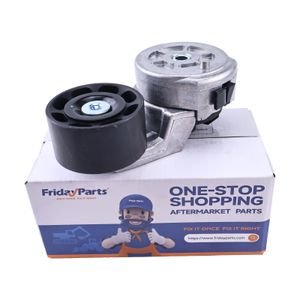
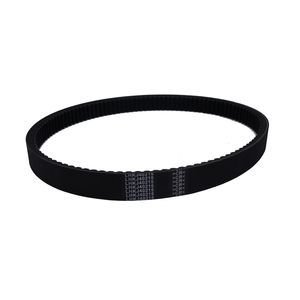
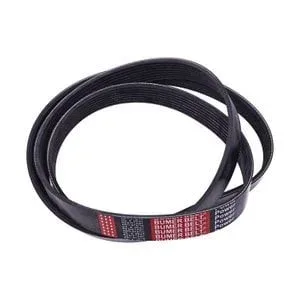
Matched Pair Dispatch — Both starter generator and drive belts ship together with cross-reference verification for Kawasaki 13 HP builds.
Technical Specifications
| Parameter |
Value |
| Part Number |
606136 606138 |
| Product Type |
Belt Set |
| Cross-Reference |
265-586, 265586, 16548G1 (reference only for identification purposes) |
| Machine Fitment |
EZGO RXV, TXT, Workhorse, ST (2008-up with 13 HP Kawasaki Engine) |
| Starter Generator Belt Width |
1/2" |
| Starter Generator Belt Outer Diameter |
35.5" (approximate) |
| Drive Belt Width |
1" |
| Drive Belt Outer Diameter |
35" (approximate) |
| Compatible Engine |
Kawasaki 13 HP |
| Condition |
New Aftermarket |
| Warranty |
3-12 months against manufacturing defects |
| Certification |
ISO 9001 |
Application Suitability
| Engine System |
Related Components |
| Belt Drive Accessory Circuit |
Tensioner pulleys, idler bearings, starter generator |
| Engine Front-End Service |
Crankshaft pulley, alternator mount hardware |
| Preventive Maintenance Kit |
Drive and starter belts, matched for synchronized replacement |
| Overhaul Accessory Pack |
Seal kits for tensioner arm pivot, belt guard fasteners |
Why Staggered Belt Replacement Wrecks the Rebuild
Replacing a single belt while leaving its worn companion in place creates uneven tension loading across the accessory drive.
When an engine comes into the shop for a thrown belt, the instinct is to swap the failed item and send the machine back to work. But in the Kawasaki 13 HP platform used across EZGO RXV and TXT fleets, the drive belt and starter generator belt share a common pulley path. A worn belt that remains in service has already stretched beyond its original profile, and it will pull harder on the shared pulley than the fresh belt beside it [NEED_CITE: belt drive system load sharing principles for multi-belt accessory circuits]. The result is the new belt carrying disproportionate load, generating excess heat, and failing prematurely — often within weeks of the repair. I have seen this pattern repeat across utility vehicles at resorts and industrial facilities where maintenance teams treat belt replacement as a one-at-a-time consumable swap rather than a system-level service event.

The Belt Drive System as a Rebuild Unit
The belt drive system on the Kawasaki 13 HP is not two independent circuits — it is a single accessory drive loop where both belts must track correctly on shared and adjacent pulleys. When planning a Drive Belt Set engine rebuild replacement, the entire front-end accessory group should be on the bench. The starter generator belt at 1/2" width and the drive belt at 1" width serve different torque transmission roles, but they share tension through the same idler and tensioner assembly. Treating them as a matched set during overhaul ensures the rebuild does not return to the shop for a secondary failure that was preventable at the time of initial service.
Sizing, Stretch History, and Serial Variants
Belt dimensions on these units are not interchangeable across all Kawasaki 13 HP production runs. The 35.5" outer diameter on the starter generator belt and the 35" outer diameter on the drive belt reflect specific pulley center distances that can shift between engine serial variants. When a previous rebuild used an oversize pulley or an aftermarket tensioner with a different arm geometry, the original belt lengths may no longer seat correctly in the groove [NEED_CITE: accessory drive belt sizing after component substitution in small engine platforms]. Confirming the engine serial number and measuring removed belts against the replacement set before installation prevents the situation where the new belts are technically the correct part number but do not achieve proper tracking on a modified engine build.
Cross-Section, Groove Profile, and Load Transmission
The 1/2" starter generator belt and the 1" drive belt differ in width because they transmit different torque loads — the drive belt handles the primary power transmission while the starter generator belt manages the electrical accessory load. Both widths must match the pulley groove cross-section precisely. A belt that is slightly too narrow for its groove will ride deeper, contacting the groove floor rather than the sidewalls, causing slip under load and accelerated sidewall wear. A belt slightly too wide will not seat fully, riding high in the groove and risking throw-off during engagement spikes. The V-profile angle and the condition of the pulley groove walls are equally important; a worn groove with polished or rounded walls will not grip a new belt correctly regardless of dimensional accuracy.
The Cost of Skipping the Companion Belt
Leaving a stretched, worn belt in place while installing a fresh one does not save time — it guarantees a return visit. The worn belt has already lost its original cross-section and cannot share load equally. The new belt absorbs excess stress, overheats at the sidewalls, and fails in a fraction of its expected service life. In fleet environments where multiple EZGO units operate daily, this pattern compounds into recurring downtime that maintenance logs record as separate incidents rather than a single systemic oversight [NEED_CITE: preventive maintenance scheduling for fleet utility vehicles with shared component platforms].
Why Source This Belt Set Through XUNPO
Both belts ship as a verified matched pair under one part number set, eliminating the dimensional mismatch risk that arises when drive and starter belts are sourced from separate suppliers. Our own production lines and qualified sourced partners operate under the same ISO 9001 quality framework and the same warranty terms, so the set arrives with consistent material properties across both belts. Part identification is available from the Kawasaki engine serial number, a photograph of the removed belts, or a nameplate image when the original markings are worn beyond reading. Cross-reference verification covers superseded numbers and alternate references, including the 265-586 interchange, so legacy fleet documentation can be reconciled against current fitment. Sample supply is available for fitment confirmation before a distributor commits to bulk stocking for a maintenance contract. Technical support is available to confirm compatibility against specific engine serial variants and to advise on tensioner and pulley condition before installation.
Documentation & Verification
- Commercial invoice listing both belt part numbers and matched set designation
- Cross-reference sheet noting OEM interchange numbers as reference only
- Dimensional inspection record confirming width and outer diameter for each belt
- Warranty terms covering material and dimensional defects for 3-12 months
- Packing photographs showing belt condition before carton closure
- HS code guidance for customs clearance on international consignments
Installation & Rebuild Sequence
- Inspect all pulley grooves for wear, glazing, or deformation before belt installation
- Verify tensioner arm pivot bearing for free rotation and no lateral play
- Route the 1" drive belt first, followed by the 1/2" starter generator belt
- Confirm both belts seat fully in groove sidewalls with no floor contact
- Run engine at idle and observe belt tracking for the first warm-up cycle
- Recheck tension after initial break-in period per service manual specification
Request a Matched Set Quote
Provide your Kawasaki engine serial number or a clear photograph of the existing belt part numbers and pulley arrangement. If the engine has been previously rebuilt, note any component substitutions such as aftermarket tensioners or non-standard pulleys so we can verify dimensional compatibility against the 606136 and 606138 matched set.
Frequently Asked Questions
Q: What other components should be inspected when replacing these belts?
A: The tensioner pulley bearing, idler arm pivot, and all pulley grooves should be checked for wear and free rotation. A worn tensioner bearing will not maintain consistent pressure on the new belts, leading to slip and premature failure. Pulley grooves with polished or rounded walls cannot grip new belt sidewalls properly and should be replaced alongside the belt set.
Q: Are both belts in this set identical or different sizes?
A: They are different sizes by design. The drive belt is 1" wide with an approximate 35" outer diameter, while the starter generator belt is 1/2" wide with an approximate 35.5" outer diameter. They serve different torque roles within the same accessory drive system and must both be replaced together to maintain balanced load sharing.
Q: How do I confirm the correct belt for my engine serial?
A: Provide the Kawasaki engine serial number or a photograph of the removed belts with a ruler for scale. Production variants across the 13 HP platform can differ in pulley center distances, and previous rebuilds may have substituted components that change the required belt length. Our technical team verifies fitment before dispatch.
Q: What causes premature belt failure beyond normal wear?
A: Misaligned pulleys, a seized tensioner bearing, contaminated pulley grooves, and incorrect belt tension are common root causes. Replacing the belt without addressing the underlying fault will result in rapid re-failure. Inspect the entire accessory drive circuit and correct any mechanical issues before installing the new matched set.