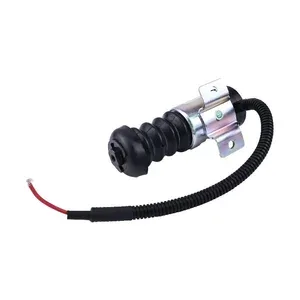
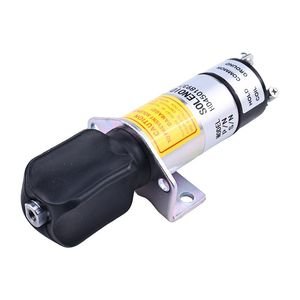
Engine Serial Variants Verified — Each 35DZS1E2 stop solenoid is cross-checked against the specific Deutz 914 engine serial number to confirm stroke length and connector type before dispatch, preventing fuel cutoff mismatches that stem from undocumented production variances within the same engine family.
Technical Specifications
| Parameter |
Value |
| Part Number |
35DZS1E2 |
| Product Type |
Stop Solenoid |
| Cross-Reference |
04233841, 0423 3841, 04234373, 0423 4373, 35DZS1E2, 35DZ/S/1/E/2, 35DVZS1E2, 35DVZ/S/1/E/2 (for identification purposes) |
| Machine Fitment |
BFL914, BF 3L 914, D 3L 91403, F 3L 914, D 4L 91404, D 5L 91406, F 5L 914, D 6L 91406, TCD 6L 91406 |
| Voltage |
12V |
| Operating Voltage Range |
10.5–14.5 V DC |
| Response Time |
<25 ms |
| Coil Resistance Deviation |
<±3% |
| Plunger Hardness |
HRC 58–62 |
| Plunger Surface Finish |
Ra ≤0.4 μm |
| Dimensional Tolerance |
±0.05 mm per DIN 7168 |
| IP Rating |
IP67 |
| Thermal Cycling Range |
-40°C to +120°C (500 cycles) |
| Operational Cycles |
>500,000 |
| Core Material |
Low-carbon steel (precision-ground, controlled permeability) |
| Coil Coating |
Sealed epoxy |
| Condition |
New Aftermarket |
| Warranty |
6 months against manufacturing defects |
| MOQ |
1 piece |
| Standards |
ISO 9001, DIN 7168, RoHS 2011/65/EU |
Application Suitability
| Engine System |
Related Components |
| Fuel injection pump shutoff |
Shutoff lever, return spring, linkage bushings |
| Engine auxiliary shutdown circuit |
Wiring harness, relay, fuse block, ignition switch |
| Deutz 912/913/914 engine overhaul |
Complete gasket set, fuel system seals, injection pump service kit |
| Engine protection safety system |
Oil pressure sender, coolant temperature switch, alarm relay |
When a 12V Stop Solenoid Fails During Engine Rebuild — What Actually Goes Wrong
Incomplete fuel cutoff traces back to the fuel rack linkage, not just the coil.
Replacing a stop solenoid without inspecting the fuel pump shutoff lever and return spring tension means the new unit faces the same mechanical resistance that destroyed the previous one. Across Deutz 914-series rebuilds, I have seen fuel rack linkage wear cause the solenoid plunger to stall mid-stroke, producing repeated coil burnout within weeks of installation [NEED_CITE: Deutz fuel injection pump shutoff mechanism diagnostic procedures]. The same base engine block may carry different solenoid stroke specifications across production runs, so a 12V stop solenoid engine rebuild that ignores serial variant differences will result in either incomplete shutdown or excessive plunger travel that damages the lever bushing.

Fuel Shutoff System Context for Deutz 914-Series Rebuilds
The stop solenoid sits at the electrical-to-mechanical interface of the engine shutdown sequence. When the ignition circuit de-energizes, the solenoid plunger retracts under spring pressure, moving the fuel rack to the no-fuel position. Any resistance in the linkage — worn bushings, a fatigued return spring, or corrosion on the lever pivot — forces the solenoid to work against loads it was not designed for. During a 12V stop solenoid engine rebuild, this component must be evaluated as part of the fuel shutoff system rather than as an isolated replacement.
Serial Variant Differences Within the 914 Family
The Deutz BF 3L 914 and D 6L 91406 share the same engine family but may use different solenoid stroke lengths and mounting orientations depending on the production batch. In the Yangtze River Delta sourcing environment, I encountered Deutz 912-series engines where the connector pin layout changed between early and late serial variants — the same 35DZS1E2 designation, but the plug geometry did not match. Confirming the exact engine serial number eliminates this risk before the solenoid reaches the bench [NEED_CITE: Deutz 914 engine serial variant identification methodology].
Specification Breakdown for Shutdown Reliability
The IP67 rating ensures the sealed epoxy coil coating withstands the high-vibration, temperature-variable environments typical of Deutz-powered excavators and generators. Operating across a 10.5–14.5 V DC range accommodates voltage dips during cranking without losing pull-in force. The response time under 25 ms is critical: if the plunger retracts too slowly, the engine continues firing past the intended shutdown point, causing run-on that stresses the drivetrain. The plunger surface finish at Ra ≤0.4 μm reduces friction against the bore, preventing the sticking that leads to intermittent shutdown failures in hot conditions. Dimensional tolerance held to ±0.05 mm per DIN 7168 ensures the plunger stroke matches the fuel rack travel requirement precisely — even slight oversize causes the lever to bind at full travel.
The Hidden Cost of Skipping Root Cause Diagnosis
Installing a fresh stop solenoid without diagnosing why the previous unit failed is the most common rebuild mistake I have observed. A solenoid that burned out prematurely often signals a charging system voltage irregularity or excessive resistance in the wiring harness — problems that will destroy the replacement just as quickly. On one Deutz-powered fleet, three consecutive solenoid replacements failed before the root cause was traced to a corroded ground connection at the engine block [NEED_CITE: electrical system parasitic resistance diagnostics for diesel equipment]. When the 12V stop solenoid engine rebuild addresses only the symptom, the failure cycle repeats, compounding machine downtime and eroding confidence in the entire overhaul.
Why Source This Component Through Our Engine System Workflow
Our own production lines and qualified sourced supply both operate under the same quality control and warranty terms, so the stop solenoid carries consistent specifications regardless of which facility produced it. The cross-reference verification process covers superseded numbers like 04233841 and 04234373, checking each against the engine service manual rather than relying on copied tables that propagate errors. Technical support confirms compatibility at the engine serial level — provide the Deutz model and serial number, and the stroke length, mounting pattern, and connector type are verified before dispatch. Sample supply is available for fitment confirmation on unfamiliar engine variants before any bulk commitment. The 8-category product range means this solenoid ships alongside gasket sets, fuel system seals, and overhaul kit components in one consolidated consignment.
Documentation & Verification
- Commercial invoice listing 35DZS1E2 with Deutz 914 compatibility notes
- Cross-reference sheet mapping OEM numbers (reference only) to verified engine serial ranges
- Coil resistance and pull-in voltage test records per unit
- Dimensional inspection report confirming plunger stroke within DIN 7168 tolerance
- Warranty terms document specifying coverage for manufacturing defects
- Packing photographs showing solenoid protection and connector cap sealing
Installation & Rebuild Sequence
- Inspect fuel pump shutoff lever pivot and bushings for wear before installing the 35DZS1E2 solenoid
- Verify return spring tension meets specification — a fatigued spring causes incomplete plunger retraction
- Clean the solenoid mounting bore and confirm the electrical connector pins are free of corrosion
- Torque mounting fasteners to specification to prevent misalignment of the plunger-to-lever interface
- Test shutdown function with the engine at idle before returning to operational load
- Record the installation date and engine hours for future overhaul interval tracking
Request Engine-Level Technical Confirmation
Provide your Deutz engine model, serial number, and any known rebuild history. If the engine nameplate is worn or painted over, send a photograph of the fuel injection pump data tag — we can identify the correct solenoid variant from pump casting marks. For fleet-level rebuilds, share the full engine list so we match each unit to its specific serial variant and compile the complete auxiliary component package.
Frequently Asked Questions
Q: What other engine auxiliary components should be inspected when replacing the stop solenoid?
A: Inspect the fuel pump shutoff lever pivot bushings, return spring tension, and the wiring harness from the ignition relay to the solenoid connector. Corroded grounds and worn linkage components are the most frequent root causes of repeat solenoid failure. Replace any component showing measurable wear during the same overhaul to prevent a second teardown.
Q: My Deutz engine serial number differs from the listed models — will this solenoid still fit?
A: The 912/913/914 family has numerous production variants. Provide your exact engine serial number so we can verify the stroke length, mounting orientation, and connector type against our cross-reference database. If the serial falls outside the listed range, we will confirm whether an alternate variant applies or supply a sample for physical fitment verification.
Q: The previous solenoid burned out quickly — how do I diagnose the root cause before installing a new one?
A: Measure voltage at the solenoid connector during engine operation to check for charging system irregularities. Inspect the wiring harness for excessive resistance, particularly at ground connections and relay contacts. Verify the fuel rack linkage moves freely without binding. Addressing these system-level issues before installing the replacement prevents repeat burnout.
Q: Are the OEM reference numbers 04233841 and 04234373 interchangeable for the same engine?
A: These numbers serve as interchange reference identifiers and may represent superseded versions or different production variants. We cross-reference each number against the engine service manual and your specific serial number to confirm applicability. Never assume two reference numbers are interchangeable without verifying stroke length and connector compatibility for your engine build.