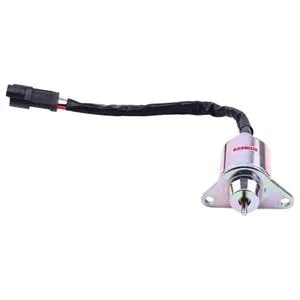
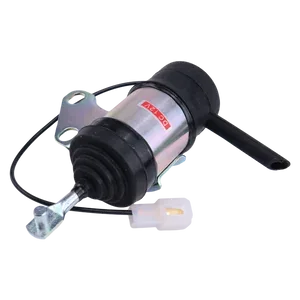
Verified Engine Serial Variants — compatibility for this 12V fuel stop solenoid is confirmed against specific Thermo King unit build codes before dispatch.
Technical Specifications
| Parameter |
Value |
| Part Number |
41-9100 42-0100 |
| Product Type |
Stop Solenoid |
| Cross-Reference (reference only) |
41-9100, 42-0100, 41-4306, 41-7886, 42-1700 |
| Machine Fitment |
TK249, TK374, TK388, TK395, TK482, TK482E, TK486, TK486E, TK486V, SLXi Spectrum, SLXi 400, SLXi 300 Whisper Pro, SLXi 200, SLXi 100, SB III, SB II, SB 100–400 series, T-Series (T-1000R, T-1080R, T-1200R, T-680S, T-880S), TS-XDS, TS-600, TS-500, TS-300, TS-200, SLXe Spectrum-50, SLX 400 Whisper, SL 400e SR2, Super II, KD II, MD 100/200/300, RD II/SR, TriPac APU, TD II, UTS, Precedent C-600/G-700, SENTRY II |
| Electrical Rating |
12V DC |
| Material |
Brass with nickel plating |
| Sealing Material |
FKM (Viton®) elastomer O-rings |
| Sealing Temperature Rating |
125°C |
| Ingress Protection |
IP67 |
| Armature Core |
Laminated silicon steel |
| Pressure Rating |
5 bar fuel line pressure |
| Duty Cycle Endurance |
10,000+ cycles |
| Actuation Timing Tolerance |
±15 ms |
| Vibration Standard |
ISO 10605 |
| Condition |
New Aftermarket |
| Warranty |
6-month warranty against manufacturing defects |
| MOQ |
1 piece |
| Certification |
ISO 9001 |
Application Suitability
| Engine System |
Related Components |
| Engine shutdown and fuel cut-off |
Fuel line O-rings, mounting gasket, wiring harness connector |
| Safety interlock and low-oil-pressure protection |
Oil pressure switch, interlock relay, control module wiring |
| Remote stop command circuit |
Control panel relays, terminal block connectors, harness splices |
| Multi-temperature start-stop cycling |
Fuel filters, fuel pump seals, injector return line fittings |
| Cold chain transport refrigeration |
Thermostat sensors, compressor clutch, condenser fan relays |
Why a New Solenoid Fails Again Within Weeks
Replacing the 12V fuel stop solenoid engine replacement without diagnosing the control circuit invites repeat failure.
When I managed fleet procurement, we swapped a failed stop solenoid on a TK249 unit and had the replacement burn out again within days. The root cause was aged wiring in the control harness keeping the coil energized continuously. The solenoid was doing exactly what the faulty circuit told it to do. This pattern repeats across cold chain fleets where maintenance teams treat the symptom rather than the system fault [NEED_CITE: transport refrigeration electrical system diagnostic procedures]. A proper 12V fuel stop solenoid engine replacement job requires measuring control signal voltage at the connector before the new unit goes in.
System-Level Faults That Destroy Shutdown Solenoids
A 12V fuel stop solenoid engine replacement belongs to the engine auxiliary shutdown system, which responds to safety interlocks, remote stop commands, and low-oil-pressure events. When a wiring fault, sticking relay, or corroded connector keeps voltage applied past the intended duty cycle, the coil overheats. Brass-bodied solenoids with nickel plating dissipate heat reasonably well, but no coil survives indefinite energization. Fleet operators running SLXi and T-Series units in high-utilization routes see this failure pattern most often because frequent start-stop sequences accelerate connector wear [NEED_CITE: solenoid coil thermal failure modes in cyclic duty applications].
Companion Components That Complete the Overhaul
Sourcing the stop solenoid in isolation leaves fuel line O-rings, the mounting gasket, and the electrical connector unrenewed. FKM elastomer O-rings rated to 125°C handle ultra-low-sulfur diesel and biodiesel blends, but aged seals reused during reassembly will leak at the 5 bar fuel line pressure rating. The laminated silicon steel armature core inside this unit minimizes eddy current losses during rapid cycling, yet that engineering advantage means nothing if contaminated fuel or a compromised connector introduces secondary failure paths. Requesting matched seals and connector hardware in the same shipment ensures the shutdown system is reassembled completely.

Dimensional and Electrical Verification Before Fitment
Dimensional tolerance on this solenoid holds to ±0.05 mm, which matters when mating surfaces on older TK388 or SB III engine blocks have accumulated carbon deposits or previous gasket residue. The IP67-rated electrical terminals must seat fully against the harness connector to maintain sealing integrity in wash-down and coastal humidity environments. Actuation timing tolerance of ±15 ms ensures the fuel cut-off responds within the engine control module's expected window — a sluggish response can trigger fault codes on later SLXi and Precedent units with electronic governors. Verifying these parameters at installation prevents diagnostic callbacks.
Specification Details That Affect Field Performance
The brass body with nickel plating resists corrosion from diesel exposure and road salt, which is relevant for cross-border freight operations where units see varied climates. FKM sealing material maintains elasticity at sustained temperatures up to 125°C, outperforming standard NBR seals when engines run extended hours in desert distribution centers. The laminated silicon steel armature core reduces hysteresis and eddy current heating during the rapid energization-de-energization cycles typical of multi-temperature distribution routes where the unit starts and stops dozens of times per shift. ISO 10605 vibration compliance means the internal components withstand the shock and vibration environment of trailer-mounted refrigeration units over rough road surfaces.
The Cost of Skipping Root-Cause Diagnosis
Installing a replacement solenoid without checking the control circuit, harness connector condition, and companion seals leads to predictable outcomes. The new coil burns out on the same faulty wiring that destroyed the previous one. Fuel weeps past reused O-rings that have taken a compression set. The machine returns to the bench within hundreds of operating hours, and the maintenance team orders another solenoid [NEED_CITE: repeat failure patterns in engine auxiliary shutdown systems]. Each return visit costs labor hours, freight, and cargo temperature excursion risk for cold chain operators.
Why Source This Component Through Our Engine System Desk
Our selected production lines and qualified sourced supply both carry identical QC and warranty terms, so the 6-month warranty applies regardless of which facility built your solenoid. Eight product categories under one account means fuel line O-rings, mounting gaskets, wiring connectors, and fuel filters ship alongside the solenoid in a single consignment. One-piece minimum order supports single-unit emergency repairs without forcing surplus stock. Part identification works from OEM reference numbers, machine model, or a photograph of a worn nameplate. Cross-reference verification covers superseded numbers like 41-4306 and 41-7886 to confirm the correct fitment path. Technical support verifies whether your specific Thermo King build requires a power-to-close or power-to-open variant before the order ships.
Documentation & Verification
- Commercial invoice listing each solenoid and companion seal with HS codes for customs clearance
- Cross-reference sheet mapping 41-9100, 42-0100, 41-4306, 41-7886, and 42-1700 as reference only
- Dimensional inspection record confirming ±0.05 mm tolerance on mating surfaces
- Functional test log covering voltage response, duty cycle, and seal integrity before packing
- Packing photographs showing solenoid and matched seals secured for transit
- Warranty terms document specifying coverage scope and claim procedure
Installation & Rebuild Sequence
- Clean the solenoid mounting bore on the engine block to remove carbon and old gasket residue before fitting the new FKM O-ring
- Verify control signal voltage at the harness connector with a multimeter before connecting the IP67-rated terminal
- Torque mounting fasteners to engine manufacturer specification to avoid distorting the brass body
- Confirm actuation timing within ±15 ms using a diagnostic tool after connecting to the engine control module
- Run the engine through several start-stop cycles to verify fuel cut-off response and check for leaks at 5 bar line pressure
- Inspect the wiring harness for cracked insulation or corroded pins that could cause continuous coil energization
Requesting an Accurate Quotation
Provide your Thermo King unit model, serial prefix, and engine serial number so we can confirm whether your build requires the power-to-close or power-to-open variant. If the nameplate is worn or painted over, send a photograph of the existing solenoid and its connector. Share any recent engine rebuild history so we can advise on matching companion seals and gaskets. We will return a consolidated list covering the solenoid and all related components needed to complete the shutdown system overhaul.
Frequently Asked Questions
Q: What other engine auxiliary components should be replaced when the fuel stop solenoid fails?
A: Inspect the fuel line O-rings, mounting gasket, wiring harness connector, and control relay. Aged O-rings that have taken a compression set will leak at the solenoid mating surface. A corroded connector or sticking relay may have caused the original failure by keeping voltage applied continuously. Replace these companion items in the same service event to prevent a return visit.
Q: How do I confirm which OEM reference number applies to my specific Thermo King engine build?
A: The cross-reference numbers 41-9100, 42-0100, 41-4306, 41-7886, and 42-1700 represent different supersession stages and variant builds. Provide your unit model and serial prefix so we can trace the correct supersession path. Some TK486 variants, for example, require a different actuation logic than the TK486E or TK486V.
Q: Can I source matching fuel line O-rings and mounting gaskets in the same shipment?
A: Yes. We supply FKM elastomer O-rings rated to 125°C and matching mounting gaskets alongside the stop solenoid under one account. Consolidating these items avoids incomplete reassembly and eliminates the need for a second freight charge on small consumables.
Q: What system-level fault conditions cause premature solenoid failure beyond the part itself?
A: Continuous voltage from a sticking relay, damaged wiring insulation, or corroded connector pins keeps the coil energized past its duty cycle, causing thermal failure. Low battery voltage can also cause incomplete armature travel, leading to arcing and accelerated wear. Diagnosing these conditions before installation prevents the replacement from suffering the same fate.
Q: How do I verify the solenoid's actuation timing meets specification after installation?
A: Connect a diagnostic tool capable of reading solenoid response time after fitting. The actuation timing tolerance is ±15 ms. If the reading falls outside this window, check for voltage drop at the connector, air gaps in the armature travel caused by debris, or incorrect mounting torque distorting the solenoid body.