System-Level Belt Drive Supply — Every shipment matched to engine serial variant, including tensioner and pulley cross-checks before dispatch.
Technical Specifications
| Parameter |
Value |
| Product Type |
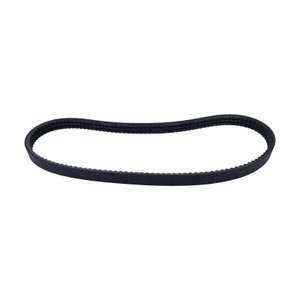
V-Belt |
| Part Number |
MIU13962 |
| Cross-Reference |
MIU13962 (reference only) |
| Machine Fitment |
4X4, UV72, XUV, XUV590E, XUV590E S4, XUV590i, XUV590i S4, XUV590M, XUV590M S4, XUV825E, XUV825i, XUV825I S4, XUV825M, XUV825M S4, XUV835E, XUV835M, XUV835R, 3TNV70 Engine |
| Brand Compatibility |
Compatible with John Deere Gator series, Yanmar 3TNV70 |
| Material |
EPDM (Ethylene Propylene Diene Monomer) + Reinforced Polyester Cord |
| Heat Resistance |
Up to 150°C (302°F) |
| Condition |
Aftermarket |
| Warranty |
3–12 month warranty against manufacturing defects |
| Standards |
ISO factory certification referenced |
Application Suitability
| Engine System |
Related Components |
| Accessory Drive (Water Pump, Alternator) |
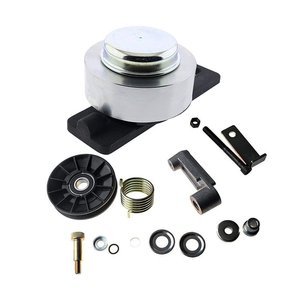
Tensioner assembly, idler pulley, fan pulley |
| Belt Drive Overhaul (John Deere XUV Series) |
Matched belt set, drive pulleys, hardware |
| Cooling System Drive (Yanmar 3TNV70) |
Fan hub bearings, coolant pump seal kit |
| Agricultural and Construction Fleet Stocking |
Bulk belt sets, tensioner springs, fasteners |
Why the Belt Drive Fails as a System on Yanmar 3TNV70 Applications
Replacing the belt without checking the tensioner and pulley bearings invites a second teardown within the first service cycle.
In mining and agricultural duty cycles across Latin America, a worn tensioner spring or a pitted idler pulley bearing transfers cyclic shock into the new belt immediately after installation. The EPDM compound resists heat, but it cannot compensate for a misaligned pulley or a seized bearing generating localized friction. When a machine returns with a shredded belt after only a few hundred hours, the root cause is rarely the belt itself — it is the unaddressed adjacent wear component that was left in place during the service event [NEED_CITE: engine belt drive system failure root cause analysis protocols]. A proper MIU13962 V-Belt engine drive belt replacement must be specified as a system-level job, not an isolated component swap.

The Belt Drive System in Context: Where MIU13962 Sits
This MIU13962 V-Belt engine drive belt replacement transmits crankshaft torque to the water pump and alternator on the Yanmar 3TNV70 platform and the John Deere Gator XUV utility vehicle line. On the XUV825E and XUV835M, the belt routing path engages multiple pulleys under hood temperatures that regularly exceed ambient. The belt does not operate in isolation; it is the tension link in a mechanical chain that includes the automatic tensioner, idler pulley, and the driven accessories themselves. A rebuild shop quoting a 3TNV70 overhaul should line-item the belt alongside the front cover gasket and crankshaft front seal, since accessing the belt path requires disturbing those sealing surfaces.
Engine Serial Variants and the Risk of Mismatch
The Yanmar 3TNV70 has been produced across multiple build generations, and belt routing configurations can differ between early and late engine serial ranges. Some variants use a single V-belt for all accessories; others employ a dedicated fan drive belt with a separate alternator belt. The John Deere XUV590i and XUV825i share the base engine architecture but may differ in accessory mounting bracket configuration, which changes pulley alignment and effective belt length [NEED_CITE: Yanmar 3TNV70 engine serial variant belt routing differences]. Before confirming an order, the engine serial number plate must be cross-checked. A belt that physically fits the pulleys but is two millimeters off in effective length will either slip under load or overstress the tensioner spring, both outcomes leading to premature failure.
Material and Thermal Specification Breakdown
The EPDM compound formulation provides resistance to thermal oxidation and ozone cracking, which is significant in enclosed engine bays where under-hood temperatures sustain above 90°C during continuous operation. Standard chloroprene rubber belts begin to harden and develop surface micro-cracks under these sustained thermal loads, losing grip and generating slip noise. The reinforced polyester cord core maintains tensile stability under cyclic loading — meaning the belt does not elongate progressively across its service interval the way unreinforced or nylon-cord belts tend to. The 150°C upper heat resistance rating provides a meaningful margin above typical accessory drive bay temperatures, ensuring the belt compound retains flexibility and grip even during sustained high-load operation such as water pump drive at maximum engine RPM [NEED_CITE: EPDM vs chloroprene thermal degradation thresholds in engine accessory drives].
The Hidden Cost of a Belt-Only Replacement
When a workshop replaces only the belt and reuses a fatigued tensioner spring, the new belt experiences inconsistent clamping force across its span. This produces localized slip on the longest unsupported span, generating heat at that exact point and accelerating glaze formation on the belt flanks. Within a short operating window, the glazed surface loses friction, the belt slips further, and the accessory drive — typically the water pump — begins to underperform. The operator sees rising coolant temperature and assumes a cooling system fault, when the actual origin traces back to the belt drive tension that was never restored to specification. This misdiagnosis loop consumes diagnostic hours and replacement parts for the wrong subsystem [NEED_CITE: accessory drive belt slip symptoms misattributed to cooling system faults].
Sourcing the Complete Belt Drive Job from One Account
Selected belt drive components are produced on our own lines, with the remainder sourced from ISO-certified manufacturing partners — both carry the same quality control checks and warranty terms. A single order can consolidate the MIU13962 V-Belt engine drive belt replacement with tensioner assemblies, idler pulleys, and front cover gaskets, eliminating the mismatch in lead times that occurs when these items come from separate suppliers. Minimum order is one piece, so a single emergency belt for a downed XUV835R ships without an MOQ barrier. Part identification is available from the part number, machine model, or a photograph of the nameplate — useful when the original belt markings have worn off from heat and oil exposure. Cross-reference verification covers superseded and alternate numbers across the John Deere and Yanmar platforms, and sample supply is available for fitment confirmation before a fleet-level commitment.
Documentation & Verification
- Commercial invoice and packing list itemizing each belt drive component by part number
- Cross-reference sheet mapping MIU13962 (reference only) against superseded Yanmar and John Deere numbers
- Dimensional inspection record confirming belt effective length and cord tensile grade
- Warranty terms document specifying coverage period and claim procedure per shipment
- Packing photographs showing belt packaging condition and consolidation with pulley items
- HS code classification support for customs clearance of EPDM rubber drive belts
Installation & Rebuild Sequence
- Verify belt routing against the engine-specific diagram before tensioner installation, confirming correct wrap on each pulley
- Clean all pulley grooves of oil residue and rubber deposits to ensure full flank contact with the EPDM ribs
- Install tensioner last and confirm spring preload holds specification before first engine start
- Run engine at idle for initial bedding period, then recheck belt deflection at mid-span after cooldown
- Inspect belt alignment with a straight-edge across pulley faces to rule out bracket distortion from prior service
Requesting a System-Matched Quote
Provide the engine model, engine serial number, and any known rebuild history — such as whether the front cover has been off or the tensioner has been previously replaced. This allows the technical team to confirm the correct belt variant, verify pulley configuration, and line-item the associated seals and tensioner components that should ship together. Photographs of the nameplate or the existing belt routing are useful when serial plates are obscured.
Frequently Asked Questions
Q: What other components should be replaced alongside the MIU13962 V-Belt during a belt drive service?
A: The tensioner assembly, idler pulley bearings, and the front crankshaft seal are the items most frequently overlooked. On the Yanmar 3TNV70, the front cover gasket should also be replaced since belt access disturbs that sealing surface. Ordering these together prevents a second teardown caused by a leaking seal or a seized pulley bearing that was left in place.
Q: How do I confirm this belt fits my specific John Deere Gator or Yanmar 3TNV70 variant?
A: Provide the engine serial number from the nameplate. Build generation differences across the 3TNV70 platform can change pulley configuration and belt routing. Our technical team cross-references the serial against variant records to confirm correct effective length and pulley engagement before shipment.
Q: Can I order the complete belt drive system as one shipment?
A: Yes. The belt, tensioner, idler pulleys, and associated gaskets can ship under one order with consolidated packing. This eliminates split freight and lead time mismatches that occur when drive system components are sourced from separate suppliers. Single-piece orders are accepted without minimum quantity restrictions.
Q: What is the difference between EPDM and standard rubber belts for this application?
A: EPDM resists thermal oxidation and ozone cracking at sustained under-hood temperatures where standard chloroprene rubber hardens and develops surface cracks. The reinforced polyester cord in this belt also maintains tensile stability, preventing progressive stretch that causes slip and accessory drive underperformance over the service interval.
Q: How do I verify the correct part number when my existing belt markings are unreadable?
A: Send a photograph of the engine nameplate and, if possible, the belt routing path. Our identification team uses the machine model and engine serial to locate the correct reference number, then verifies fitment against superseded and alternate cross-reference entries before confirming the order.