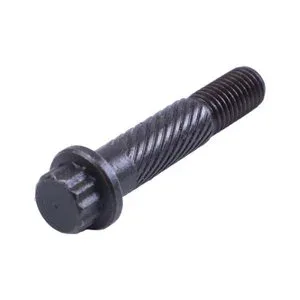
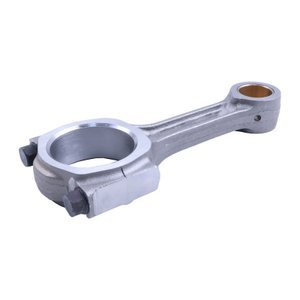
Matched Set Dispatch — every fastener batch ships alongside verified con rod bearings and gaskets for one D722 bottom-end overhaul consignment.
Technical Specifications
| Parameter |
Value |
| Part Number |
16851-22140 |
| Cross-Reference (reference only) |
16851-22140, 1685122140, 16851-2214-0 |
| Product Type |
Connecting Rod Bolt |
| Machine Fitment |
Kubota D722 engine; B7300HSD, B7400HSD, B7410D, BX1500D, BX1800D, BX1830D, BX1850D, BX1860, BX1870, BX1870-1, BX1880, BX1880-1, BX2230D, BX2350D, BX2360, BX2370, BX2370-1, BX2380, BX2380-1, BX23S, BX23S-1, BX24D, BX25, BX25DLB, BX25DLB-1, T1600H, T1600H-EUROPE, T1600H-G, G1700, G1800, G1800-S, G1900, G1900-S, G2000, G2000-S, G2160, G2160AU, G2160-DS, G2460G, GF1800, GF1800E, GR2100, GR2110, GR2120, GR2120-2, GR2120B, GR2120B-2, K-008, K008-3 KCL, K008-3 KTC, K008-5, KH-007H, KX018-4, KX41-3, U10-5, U15, U17, RTV900 series, RTV-X900 series, SCL1000, TG1860, ZD1011, ZD1021, ZD18, ZD21, ZD221, ZD321, ZD323, ZG332LP, ZG332P, ZP330LP, ZP330P |
| Material |
High-tensile alloy steel (SCM435) |
| Grade |
ISO 898-1 Grade 10.9 |
| Hardness |
32–36 HRC |
| Thread Pitch Tolerance |
±0.02 mm |
| Surface Treatment |
Zinc-nickel electroplating (500-hour salt-spray per ASTM B117) |
| Condition |
New Aftermarket |
| Warranty |
6 months against manufacturing defects |
| MOQ |
1 piece |
Application Suitability
| Engine System |
Related Components |
| Bottom-end rotating assembly |
Con rod bearings, main bearings, crankshaft thrust washers |
| Piston and cylinder group |
Pistons, piston rings, cylinder liners, wrist pin bushings |
| Lubrication circuit |
Oil pump, oil filter, oil cooler, gallery cleaning supplies |
| Gasket and seal set |
Overhaul gasket kit, crankshaft front and rear seals, O-rings |
Why the D722 Connecting Rod Bolt Demands System-Level Thinking
The connecting rod bolt is the final clamp holding the bottom-end assembly together — its failure almost always traces back to a system fault upstream.
An engine rebuild stalls when a fastener grade is wrong or the bolt set arrives short. The crankcase stays split, labor hours accumulate, and the machine sits idle waiting for a second shipment to fill the gap. In Central Asian workshop conditions, I have seen Kubota D722 engines returned to the bench after fewer than a thousand hours because the replacement fasteners did not match the torque-to-yield behavior required by the original design [NEED_CITE: torque-to-yield fastener behavior in small diesel engine bottom-end assemblies]. The connecting rod bolt must sustain clamp load through millions of combustion cycles while resisting the shear forces generated at the big-end bearing cap. When a rebuild shop treats this fastener as a commodity rather than a system-critical component, the consequences show up as spun bearings, cracked rod caps, or in the worst cases, a crankshaft that seizes mid-operation.

How This Fastener Fits the D722 Bottom-End System
The connecting rod bolt for the D722 belongs to the bottom-end rotating group, where clamp load integrity governs bearing crush and cap alignment. During any engine overhaul on this platform, the bolt must be evaluated as part of a matched set — paired with con rod bearings of the correct grade, a crankshaft whose journal condition has been measured, and an oil circuit free of blockage. Supplying the connecting rod bolt in isolation, without the adjacent components, invites the mismatched lead times that cause rebuild delays.
Serial Variants and the Risk of Grade Mismatch
Within the D722 engine family, connecting rod cap geometry and bolt thread engagement depth can shift between early and late production serial ranges. A bolt that passes visual inspection may still seat at the wrong depth if the variant is incorrect, leading to reduced clamp load and eventual fatigue failure [NEED_CITE: engine serial variant effects on fastener engagement depth in Kubota D-series]. Always confirm the engine serial number before ordering, particularly when the previous rebuild may have mixed rod caps from different production runs.
Reading the Specifications That Matter
The SCM435 alloy steel base, heat-treated to ISO 898-1 Grade 10.9, provides the tensile strength needed to maintain clamp load under the cyclic loading of a 21.6 horsepower diesel. The 32–36 HRC hardness range balances resistance to thread deformation with enough ductility to allow the bolt to stretch slightly during torquing — a property that rigid fasteners lose after one use. The ±0.02 mm thread pitch tolerance ensures that the bolt engages the rod cap threads cleanly without cross-threading or excessive play, which would concentrate stress on a small number of threads rather than distributing load evenly. Zinc-nickel electroplating protects the threads during the assembly window, when exposed steel would begin corroding in humid workshop conditions before the engine ever sees its first startup.
The Cost of Ignoring Root Cause
Replacing the connecting rod bolt without diagnosing what destroyed the original set leads to repeat failure. Lubrication starvation from a blocked oil gallery will overheat the big-end bearing, which then transfers abnormal friction loads to the bolt until it yields. A previous rebuild that used incorrect bearing clearances creates the same outcome through a different path. When the root cause goes unaddressed, the new bolt fails in the same manner, and the engine comes apart a second time — costing more in labor and reputational damage than a thorough system inspection would have required [NEED_CITE: root cause analysis methodology for connecting rod bolt failures in compact diesel engines].
Procurement Advantages for Rebuild Shops
Our own production lines cover selected fastener ranges while qualified manufacturing partners handle the remainder, with both channels carrying the same quality control standards and warranty terms. Eight product categories mean the connecting rod bolt ships in the same consignment as piston sets, overhaul gasket kits, and seal kits — one account, one freight charge. The Guangzhou warehouse holds stock on fast-moving D722 components for rapid dispatch. Part identification works from the engine number alone when the original bolt markings are illegible, and cross-reference verification covers superseded part numbers that other suppliers may still list as current. Sample supply is available so a rebuild shop can confirm thread engagement and cap fitment before committing to bulk quantities. A technical team is on hand to verify grade compliance and serial variant matching.
Documentation & Verification
- Commercial invoice and packing list itemizing each connecting rod bolt batch with heat lot traceability
- Compatibility and cross-reference sheet marking all OEM numbers as reference only
- Quality inspection record covering hardness testing, thread pitch gauging, and plating thickness
- Six-month warranty terms covering manufacturing defects in material and dimensional accuracy
- Packing photographs showing bolt sets segregated by cylinder position before crating
- HS code and customs documentation support for cross-border shipment of engine fasteners
Installation & Rebuild Sequence
- Inspect connecting rod big-end bore for out-of-round wear before fitting the new connecting rod bolt and bearing shells
- Clean all oil gallery passages feeding the rod journals to eliminate the lubrication starvation that commonly causes premature bolt fatigue
- Apply the specified assembly lubricant to bolt threads and under-head contact surface before torquing to the Kubota D722 sequence and angle specification
- Verify big-end bearing clearance with Plastigauge after cap assembly to confirm the connecting rod bolt clamp load is producing the correct crush
- Run the engine through a graduated break-in cycle, monitoring oil pressure and listening for bottom-end knock during the first operating hours
Request a Matched Overhaul Quotation
Provide the D722 engine serial number, any prior rebuild history, and the specific oversize grades already in use on the crankshaft journals. Our technical team will cross-check the connecting rod bolt variant, confirm the matching bearing grade, and consolidate the full bottom-end overhaul kit into a single shipment quote.
Frequently Asked Questions
Q: What components should be replaced together with the connecting rod bolts during a D722 overhaul?
A: Con rod bearing shells, main bearings, thrust washers, piston rings, and the complete overhaul gasket kit should all be replaced in the same teardown. Reusing old bearings with new bolts masks clearance issues that caused the original failure, leading to early repeat disassembly.
Q: How do I confirm the correct bolt variant for my specific D722 engine serial?
A: Share the full engine serial number from the identification plate. Production variants within the D722 range can differ in bolt length and thread engagement depth, particularly when previous rebuilds have swapped connecting rod caps between engines.
Q: Can I reuse connecting rod bolts that pass visual inspection?
A: Grade 10.9 bolts in the D722 are torque-to-yield fasteners that undergo permanent stretch during installation. Even bolts that appear undamaged have lost a measurable portion of their clamp load capacity and should always be replaced during any bottom-end disassembly.
Q: What lubrication faults cause premature connecting rod bolt failure?
A: Blocked oil galleries, a worn oil pump, or incorrect oil viscosity all reduce film thickness at the big-end bearing, increasing friction and thermal load on the bolt. Always verify oil flow to the rod journals during reassembly before sealing the crankcase.
Q: Does the overhaul gasket kit include the seals needed at the connecting rod big-end?
A: The connecting rod big-end relies on bearing crush rather than a discrete seal, but the overhaul gasket kit does include the crankcase seals, O-rings, and crankshaft seals needed to complete the bottom-end reassembly without additional orders.