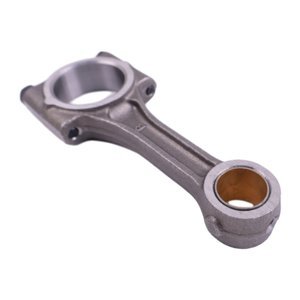
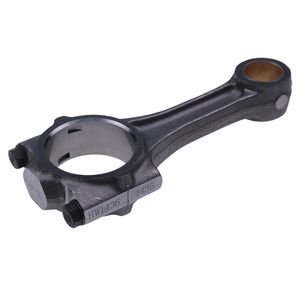
Matched Sets Shipped Together — every valve train component cross-checked against engine serial variant before dispatch to prevent mismatched tolerances during Cummins X15 and ISX rebuilds.
Technical Specifications
| Parameter |
Value |
| Part Number |
4059353 |
| Product Type |
Rocker Arm |
| Cross-Reference |
4059353 (reference only) |
| Machine Fitment |
Cummins X15, Cummins ISX |
| Material |
Forged 42CrMo alloy steel |
| Surface Treatment |
Phosphate coating |
| Assembly State |
New Aftermarket |
| Certification |
ISO 9001 |
| Warranty |
6 months against manufacturing defects |
| MOQ |
1 piece |
Application Suitability
| Engine System |
Related Components |
| Valve Train — Top-End Overhaul |
Push rods, valve stems, camshaft lobes, valve springs |
| Complete Engine Rebuild |
Piston kits, cylinder liners, bearing shells, gasket sets |
| Fleet Rebuild Program |
Matched rocker lever sets, injector assemblies, valve guides |
Why a New Rocker Lever Fails Weeks After an Overhaul
The replacement part was correct, but the system around it was not.
In my years handling engine rebuild parts across the Pearl River Delta warehouses, I have seen rocker lever replacements fail prematurely more often than most shops expect. The new part goes in, valve lash is set, the engine runs — and within a few hundred hours the same noise returns. The root cause usually traces back to adjacent valve train components that were not inspected or replaced during the overhaul [NEED_CITE: valve train failure root cause analysis in heavy-duty diesel engines]. Push rods with worn ends, camshaft lobes that have lost profile, or valve stems with mushroomed tips all transfer irregular loads to the freshly installed rocker arm. Addressing the failed component without investigating why it failed is a pattern that repeats across fleet rebuild programs and independent repair shops alike. A proper Rocker Arm engine rebuild demands a system-level view rather than a single-part swap.

Valve Train Context: What This Rocker Lever Connects To
The rocker lever sits at the top of the valve train, translating camshaft rotation through the push rod into precise valve opening and closing events. In Cummins X15 and ISX platforms, the geometry between the roller axle hole, the pushrod cup, and the valve stem contact pad must fall within tight dimensional windows for correct valve timing. When any of these interfaces drift outside tolerance, the result is incomplete valve closure, accelerated wear on the valve seat, or excessive lash noise. During a Rocker Arm engine rebuild, every upstream and downstream component in this chain should be measured and documented before the new lever is fitted.
Prior Rebuilds Change the Rules — Dimensional Grades and Serial Variants
Engines that have been through one or more previous overhauls rarely match factory blueprint dimensions. Bearing shells may have been fitted in oversize grades, cylinder bores honed beyond standard tolerance, or valve guides replaced with non-standard variants. Each of these changes alters the spatial relationship the rocker lever must accommodate. Additionally, Cummins X15 and ISX engines span multiple serial ranges and power ratings — an ISX15 rated for vocational truck use may carry different valve train specifications than an X15 configured for mining haul truck service [NEED_CITE: Cummins ISX and X15 engine serial variant valve train differences]. Confirming the engine serial number and cross-checking against variant-specific dimensional data prevents installing a lever that physically fits but operates outside its designed geometry.
Material and Surface Treatment: What 42CrMo and Phosphate Coating Deliver
Forged 42CrMo alloy steel provides the fatigue strength needed at the roller axle and pushrod cup interfaces, where cyclic loading peaks with every valve event. This material grade is chosen specifically for its balance of core toughness and surface hardness after heat treatment, which matters when the rocker lever encounters momentary over-speed conditions or valve float. The phosphate coating serves a distinct function during initial engine run-in after rebuild: it retains a lubricant film on the contact surfaces during the first critical hours before hydrodynamic oil film stabilizes fully [NEED_CITE: phosphate coating tribological function in engine valve train break-in]. Skipping this surface treatment or substituting an uncoated part increases scuffing risk during the break-in window, which can shorten the service life of both the rocker lever and the valve stem tip it contacts.
The Cost of Skipping System-Level Inspection
When a repair shop installs a new rocker lever without checking the push rod, camshaft lobe, and valve spring, the new part inherits the same irregular loading that destroyed its predecessor. The result is not just a second failure — it is a second teardown, a second set of gaskets, a second round of valve lash adjustment, and a second period of machine downtime. For fleet operators running multiple units through a scheduled rebuild program, this pattern compounds across engines and erodes confidence in the entire parts supply chain [NEED_CITE: cost impact of repeat valve train failures in fleet engine rebuild programs]. The hidden expense is never the part itself. It is the labor, the consumables, and the calendar days consumed by a repair that had to be done twice.
What XUNPO Brings to This Specific Rebuild Scenario
Our own production lines and qualified sourced supply operate under a single warranty, so whether the rocker lever or the matching gasket set ships from our facility or a partner, the quality terms are identical. The eight product categories we cover mean a complete valve train job list — rocker levers, push rods, valve seals, injector hold-downs — consolidates into one shipment under one account. We accept orders from a single piece, which matters when a shop needs one replacement lever to finish a job already on the bench. Our technical team verifies fitment against engine serial number and variant, flagging any dimensional differences introduced by prior rebuilds before the part ships. Sample supply is available so fitment can be confirmed physically before a full fleet-quantity commitment.
Documentation & Verification
- Commercial invoice listing part number 4059353 (reference only) with engine serial match note
- Dimensional inspection record covering roller axle hole, pushrod cup depth, and valve contact pad geometry
- Compatibility sheet mapping X15 and ISX serial ranges to confirmed fitment variants
- Quality inspection photographs showing phosphate coating coverage on critical contact surfaces
- Warranty documentation specifying six-month coverage terms against manufacturing defects
- HS code and customs paperwork prepared for cross-border engine parts shipments
Installation & Rebuild Sequence
- Inspect push rod ball ends and replace any showing flat-spot wear before fitting the new rocker lever
- Verify camshaft lobe profile with a dial indicator to confirm no lift loss transfers abnormal load to the lever
- Check valve stem tip for mushrooming; dress or replace if the contact pad will not seat flat
- Apply assembly lubricant to the roller axle and pushrod cup before initial installation to support break-in
- Set valve lash to variant-specific specification after first cranking cycle and re-check after initial run-in
- Monitor valve train noise during first operating hours as an early indicator of fitment or adjacent component issues
Request a Fitment-Confirmed Quote
Provide your engine model, serial number, and any known rebuild history so we can verify whether standard or variant-specific dimensions apply. If a previous overhaul introduced oversize components or non-standard valve train parts, share that detail upfront — it changes which rocker lever configuration is correct for your engine. For fleet rebuild programs, send the full valve train job list so we can confirm matched availability across all related components in a single response.
Frequently Asked Questions
Q: What other valve train parts should be inspected or replaced alongside this rocker lever?
A: Push rods, valve springs, camshaft lobes, and valve stem tips should all be measured and documented during a top-end overhaul. Any component showing wear outside tolerance will transfer irregular loading to the new rocker lever and cause premature failure. We supply matched valve train sets so every component in the chain is addressed in one order.
Q: How do I confirm my engine serial variant matches this component?
A: Share your full engine serial number and model designation — for example ISX15 or X15 with the specific rating code. We cross-check against variant-specific valve train geometry data and flag any differences. Engine nameplate photographs are accepted when serial plates are partially illegible or painted over.
Q: Does my engine have a prior rebuild that changes component specifications?
A: Previous overhauls may have introduced oversize bearing shells, honed cylinder bores, or non-standard valve guides, all of which alter the spatial geometry the rocker lever must accommodate. Tell us any known rebuild history so we can adjust dimensional recommendations accordingly before shipping.
Q: What caused the previous rocker lever to fail — and how do I prevent it from happening again?
A: Common root causes include lubrication starvation at the roller axle, valve lash drift from worn adjusters, and excessive RPM loading in vocational applications. Identifying which failure mode occurred determines whether the fix is a component swap or a system-level correction involving oil gallery inspection and adjacent part replacement.
Q: Can I order a single sample for fitment verification before committing to a full fleet set?
A: Yes, our minimum order is one piece. Ordering a sample rocker lever allows your workshop to physically verify fitment on the specific engine variant before committing to the full quantity needed for a fleet rebuild program. Dimensional inspection records ship with the sample for your records.