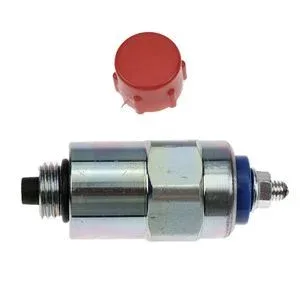
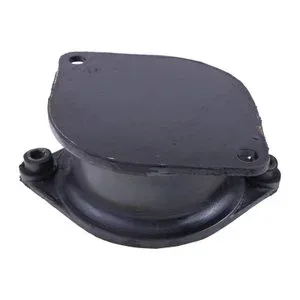
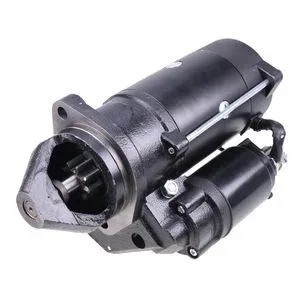
Matched Set Dispatch — Every stop solenoid 7167-620B ships with verified cross-reference mapping to 9009-049, ensuring the fuel cut-off circuit matches your DPA or DPS pump variant before the engine reaches the teardown bench.
Technical Specifications
| Parameter |
Value |
| Part Number |
7167-620B |
| Product Type |
Stop Solenoid |
| Cross-Reference |
7167620B, 9009-049, 9009049 (reference only) |
| Brand Compatibility |
Compatible with CAV LUCAS DPA and DPS injection systems |
| Rated Voltage |
12V DC |
| Operating Temperature Range |
-40°C to +120°C |
| Condition |
New Aftermarket |
| Quality Standard |
ISO 9001 |
| Application Scope |
Construction machinery, agricultural equipment, industrial generators |
Application Suitability
| Engine System |
Related Components |
| Fuel injection pump control circuit |
DPA/DPS pump housing seals, fuel feed line banjo bolts |
| Electrical shut-off relay path |
Coil wiring harness connectors, system relay, fuse block |
| Fuel filtration upstream |
Primary and secondary fuel filter elements, water separator |
| Injection system overhaul bench |
Pump shaft seals, delivery valve assemblies, injector nozzles |
Why the Stop Solenoid Fails Again Within Weeks of Replacement
A replacement stop solenoid that fails prematurely almost always points to an unresolved system fault rather than a defective part.
Workshops frequently swap the solenoid on a CAV LUCAS DPA pump, clear the initial fault code, and release the machine — only to see it return with the same shut-down symptom inside a month. In my years verifying part numbers against actual pump housings in Guangzhou's parts distribution corridors, I have logged multiple instances where contaminated diesel fuel degraded the internal plunger bore, or where a frayed harness connector delivered intermittent voltage to the coil. Neither condition is cured by fitting a new stop solenoid engine rebuild component alone [NEED_CITE: diesel fuel contamination effects on injection pump internal components].
The cost of a repeat teardown dwarfs the time spent checking the root cause on the first visit.

Position Within the Injection System Fault Chain
This stop solenoid sits at the terminal point of the electrical shut-off command. When the ignition key turns off, the relay de-energizes the 12V coil, and the internal spring drives the plunger into the fuel cut-off position inside the DPA or DPS pump housing. A Stop Solenoid engine overhaul requires understanding that this component does not operate in isolation — the coil draws current through the machine's wiring harness and relay, and its mechanical action depends on clean fuel passing through the pump gallery. Diagnosing only the solenoid without tracing the full circuit is like replacing a blown fuse without asking why it blew.
Electrical Verification Before Installation
Before threading a new stop solenoid into the pump housing, measure the coil resistance across the connector pins and compare it against the expected range for a 12V winding. Inspect the harness connector for corroded terminals or pushed-back pins that could create intermittent contact. Check the relay that controls the solenoid circuit for proper switching — a relay that sticks closed will keep the solenoid energized continuously, overheating the coil and causing early failure [NEED_CITE: electrical diagnostic procedures for diesel fuel shut-off solenoid circuits]. These checks take minutes and prevent the machine from returning to the bench.
Voltage Rating and Connector Configuration
The 12V DC rating means the coil is designed to operate within the standard electrical system of mobile construction and agricultural equipment, where alternator output typically ranges between 13.5V and 14.4V during operation. A solenoid coil operates by generating an electromagnetic field that retracts the fuel cut-off plunger against spring pressure — insufficient voltage produces weak retraction, allowing partial fuel restriction and rough running, while sustained overvoltage accelerates insulation breakdown. The operating temperature envelope from -40°C to +120°C reflects the reality that injection pump housings absorb considerable heat from both the engine block and the compression process within the fuel system. Connector type and pin arrangement vary between DPA and DPS pump generations, which is why physical verification against the removed unit remains essential even after cross-reference confirmation.
The Hidden Cost of Skipping Root-Cause Diagnosis
Fitting a new stop solenoid without verifying fuel cleanliness or wiring integrity creates a predictable failure loop. Contaminated fuel scores the plunger bore in the pump housing, causing the replacement solenoid to stick in partial cut-off position — the engine runs rough, loses power under load, and eventually stalls. Meanwhile, a damaged harness connector intermittently breaks the circuit, mimicking solenoid failure and leading technicians to condemn perfectly good replacement parts. Each repeat visit costs labor hours, damages workshop credibility, and keeps the machine off the job site [NEED_CITE: repeat failure patterns in diesel injection system electrical components].
Sourcing With System-Level Verification
Our technical team confirms the correct solenoid variant by cross-referencing your pump serial number against the 7167-620B and 9009-049 designation tables — these numbers are not universally interchangeable across every DPA and DPS build. Selected lines are produced in our own facility with the same QC standards applied to qualified sourced supply, both carrying identical warranty coverage. A single account consolidates this solenoid with matched fuel filters, pump seal kits, and injector components for one combined dispatch. We verify compatibility from a photograph of the old unit when the nameplate is unreadable, and sample supply is available for fitment confirmation before you commit to bulk quantities.
Documentation & Verification
- Commercial invoice lists 7167-620B with cross-reference to 9009-049 for customs and inventory matching
- Compatibility sheet confirms applicable DPA or DPS pump serial ranges (reference only)
- Quality inspection record includes coil resistance measurement and plunger travel check
- Warranty terms cover manufacturing defects for 3 to 12 months from dispatch date
- Packing photographs document condition and labeling before the carton leaves our Guangzhou warehouse
Installation & Rebuild Sequence
- Drain residual fuel from the pump housing before extracting the failed stop solenoid to prevent contamination ingress
- Inspect the plunger bore in the DPA or DPS pump housing for scoring before threading in the new 12V unit
- Apply recommended torque to the solenoid body — overtightening distorts the internal bore and causes plunger binding
- Verify coil polarity and connector seating before re-energizing the fuel cut-off circuit during first start-up
Request a System-Level Quotation
Provide your engine model, fuel injection pump serial number, and any visible markings from the old solenoid connector so we can confirm the correct variant and cross-reference. If the pump has been rebuilt previously, note any oversize components or variant changes made during that work. Our team will respond with a compatibility confirmation and consolidated parts list for the full injection system job.
Frequently Asked Questions
Q: What other fuel system components should I inspect when replacing this stop solenoid?
A: Check the primary and secondary fuel filter elements for contamination, inspect the pump housing seals for weeping, and examine the banjo bolt washers on the fuel feed line. Contaminated fuel reaching the DPA or DPS pump is a frequent root cause of solenoid plunger sticking — replacing filters and verifying fuel cleanliness protects your new stop solenoid from the same failure mode.
Q: How do I confirm whether 7167-620B or 9009-049 applies to my injection pump?
A: Both numbers serve as cross-reference identifiers, but they may correspond to different DPA or DPS pump build generations or connector configurations. Provide your pump serial number and a photograph of the existing solenoid connector — our team will verify the applicable designation against the build records and confirm the correct variant before dispatch.
Q: What electrical checks should I perform before fitting a new stop solenoid?
A: Measure coil resistance across the new unit's pins to confirm the 12V winding is within specification. Inspect the machine-side harness connector for corrosion or bent terminals. Activate the ignition and verify that the relay controlling the solenoid circuit switches cleanly — a sticking relay will overheat the coil and cause premature failure regardless of part quality.
Q: Does my engine serial number affect which solenoid variant I need?
A: Yes. Engine serial ranges determine the fuel injection pump variant installed at the factory, and DPA versus DPS systems may use different solenoid body lengths, thread specifications, or connector types. Always confirm against the pump serial number rather than the engine model alone, as replacement pumps fitted during prior overhauls may differ from the original configuration.
Q: How do I confirm the fuel injection pump model for correct fitment?
A: Locate the pump identification plate — typically stamped on the DPA or DPS housing body — and record the full serial and type designation. If the plate is worn or painted over, photograph the pump housing and connector area so our team can identify the variant visually and cross-reference the correct stop solenoid part number.