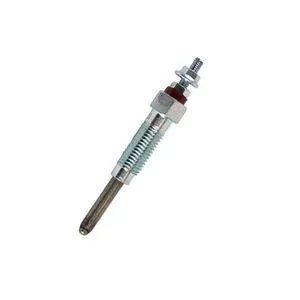
Engine Serial Variants Confirmed — Every glow plug 16693SRV ships only after the Mitsubishi L3E engine serial range is verified against our internal compatibility matrix, preventing the mismatch that sends a rebuild back to the bench.
Technical Specifications
| Parameter |
Value |
| Part Number |
16693SRV |
| Product Type |
Glow Plug |
| Cross-Reference |
16693SRV (reference only) |
| Compatible Engine Brand |
Mitsubishi |
| Engine Model |
L3E |
| Application |
Generac MLT6SMD Light Tower |
| Condition |
New Aftermarket |
| Quality Standard |
ISO 9001 |
| Warranty |
3-12 months against manufacturing defects |
Application Suitability
| Engine System |
Related Components |
| Cold-start pre-combustion heating |
Glow plug relay, wiring harness connectors, battery terminals |
| Cylinder head thermal management |
Head gasket set, valve cover gasket, injector return lines |
| Electrical charging circuit |
Alternator output leads, voltage regulator, starter motor contacts |
| Fuel delivery for cold ignition |
Fuel filter element, lift pump diaphragm, injector nozzles |
Why a Single Glow Plug Failure Rarely Stands Alone on the L3E
The glow plug 16693SRV for Mitsubishi L3E engine rebuild is a symptom point, not always the root cause.
When one plug in a three-cylinder L3E burns out, the remaining two have endured identical thermal cycles and voltage exposure. Rebuild shops that replace only the failed unit frequently see a second failure within weeks, pulling the engine back onto the stand. In our experience supporting engine shops across Central Asia and the CIS corridor, we have watched entire winter seasons lost to sequential plug failures that could have been resolved with a matched set and a relay check at the first sign of hard starting [NEED_CITE: diesel cold-start system diagnostic sequencing for indirect injection engines].

Where the Glow Plug Sits Inside the L3E Starting System
The Mitsubishi L3E uses an indirect injection architecture with a pre-combustion chamber in each cylinder head. The glow plug 16693SRV for Mitsubishi L3E engine rebuild heats that chamber before the starter turns the engine, ensuring the air-fuel mixture reaches ignition temperature even when ambient conditions drop. This plug is electrically tied to a relay and a timer circuit that controls heating duration.
If the relay sticks closed, the plug overheats and the element swells or fractures. If the timer cuts too early, the plug never reaches operating temperature and the operator assumes the plug itself is faulty. Diagnosing the correct failure path before ordering replacement parts is what separates a one-visit repair from a cycle of repeated teardowns.
Matching Electrical Specification to Engine Serial Range
Mitsubishi L3E engines have been produced across several serial ranges, and the pre-combustion chamber geometry shifted between early and late builds. A glow plug with the wrong reach or thread pitch will either sit too deep, risking piston contact, or too shallow, failing to heat the chamber effectively. We cross-check the engine serial against our fitment records before confirming any glow plug 16693SRV for Mitsubishi L3E engine rebuild order, ensuring reach, thread diameter, and voltage rating align with the specific build variant [NEED_CITE: Mitsubishi L3E serial range pre-combustion chamber specification differences].
Reading the Specifications That Matter
The heating element inside this glow plug must reach target temperature within seconds to support reliable cold cranking. The thermal cycle rating determines how many start events the element can endure before resistance drifts out of specification. Thread engagement length must match the cylinder head boss depth precisely — even one millimeter of overreach places the tip dangerously close to the piston crown. The terminal type must match the harness connector on the Generac MLT6SMD light tower, as forced adapters introduce resistance that robs the plug of heating power and masks as a wiring fault during diagnosis.
What Happens When the Root Cause Goes Unchecked
Replacing a burned-out plug without inspecting the relay, timer, and harness connections is the most common path to repeat failure on the L3E platform. A relay that fails to open keeps current flowing after the engine starts, driving element temperature beyond design limits until the coil fractures. Shops that miss this relay fault end up chasing electrical gremlins through the harness, burning labor hours while the machine sits idle [NEED_CITE: glow plug relay failure modes in small diesel generating sets].
The cost of a second teardown on a light tower deployed to a remote mining or construction site compounds quickly — not in parts, but in lost illumination hours and the logistics of pulling a technician back to the same machine.
Why Rebuild Shops Source This Component Through Our Engine Systems Desk
Our own production lines and qualified sourced supply operate under a single warranty and a single account, so a matched set of glow plugs ships alongside overhaul gaskets, bearing shells, and piston rings without split orders. The technical team verifies engine serial variants and confirms reach and voltage before anything leaves the Guangzhou warehouse. Cross-reference verification covers superseded numbers, catching listings that copy errors forward between sellers. Minimum order starts at one piece, but matched sets for a full three-cylinder overhaul ship consolidated. Quality inspection records accompany every consignment, covering thermal cycle testing and dimensional checks on thread engagement and terminal configuration.
Documentation & Verification
- Commercial invoice listing each glow plug with engine model and serial cross-reference
- Compatibility sheet confirming L3E serial range fitment, marked reference only
- Dimensional inspection record covering thread reach, diameter, and terminal type
- Thermal cycle test report included with matched sets
- Packing photographs showing individual plug protection before carton closure
- HS code and customs documentation for light tower component export
Installation & Rebuild Sequence
- Verify cylinder head pre-combustion chamber is clean and free of carbon deposits before plug insertion
- Apply anti-seize compound to glow plug threads to prevent galvanic bonding with the aluminum head
- Torque to manufacturer specification — over-torque distorts the element sheath and shortens service life
- Test relay switching and timer duration with a multimeter before reconnecting the harness
- Perform a cold-start validation after installation to confirm uniform heating across all cylinders
- Record plug resistance values at installation as a baseline for future maintenance intervals
Request a System-Matched Quotation
Provide your Mitsubishi L3E engine serial number and any prior rebuild history so we can confirm the correct glow plug variant and recommend adjacent starting-system components for a consolidated overhaul package.
Frequently Asked Questions
Q: What other starting-system parts should I inspect when replacing this glow plug?
A: Check the glow plug relay for proper open-close cycling, measure voltage drop across the wiring harness connectors, and verify battery condition under cranking load. A relay that sticks closed is the most common root cause of repeated plug failure on the L3E platform. Addressing these items together prevents a second teardown within weeks.
Q: Does the L3E have serial-range variants that use a different glow plug specification?
A: Yes. Early and late L3E builds differ in pre-combustion chamber depth and thread specification. Providing the engine serial number allows us to confirm the correct reach and voltage rating before dispatch, preventing installation damage or poor cold-start performance from a mismatched plug variant.
Q: Can I order a matched set for a full engine overhaul?
A: Matched sets for all three cylinders ship together with the same production batch and thermal cycle rating. This ensures uniform heating performance across cylinders and avoids the imbalance that occurs when one new plug works alongside two aged units with drifted resistance values.
Q: How do I confirm the root cause of glow plug failure before ordering replacements?
A: Measure relay switching behavior and timer circuit duration before removing the failed plug. If the relay remained closed during operation, the plug was overheated by prolonged current rather than wearing out naturally. Correcting the relay fault before installing new plugs prevents immediate repeat failure.
Q: What testing is done before shipment?
A: Each glow plug undergoes dimensional verification of thread reach and terminal configuration, followed by thermal cycle testing to confirm element resistance remains within specification after repeated heating events. Inspection records ship with the order for your rebuild documentation.