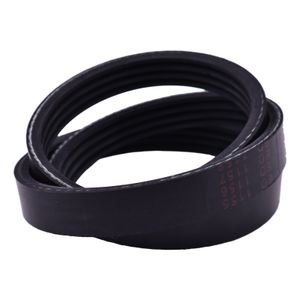
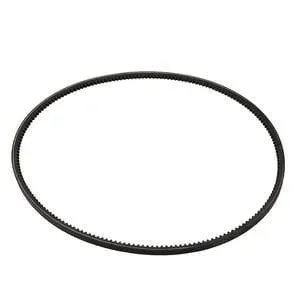
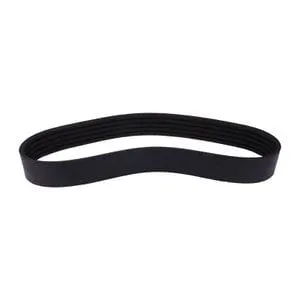
Matched Drive Sets — EPDM V-belt ships with verified tensioner and pulley cross-references for complete Yanmar 3TNV70 front-end drive renewal.
Technical Specifications
| Parameter |
Value |
| Product Type |
Belt |
| Part Number |
MIU13962 |
| Cross-Reference |
MIU13962 (reference only) |
| Machine Fitment |
Yanmar 3TNV70, John Deere XUV590E, XUV590i, XUV590M, XUV825E, XUV825M, XUV825I S4, XUV835E, XUV835M, XUV835R, UV72, 4X4, XUV series |
| Material |
EPDM rubber + reinforced polyester cord |
| Condition |
New Aftermarket |
| Operating Temperature |
Continuous exposure up to 150°C (302°F) |
| Hardness |
Shore A 65±3 |
| Warranty |
3–12 months against manufacturing defects |
| Standards |
ISO 9001, ISO 14879-1 |
Application Suitability
| Engine System |
Related Components |
| Yanmar 3TNV70 Cooling Fan Drive |
Fan pulley, tensioner assembly, water pump seal |
| Yanmar 3TNV70 Hydraulic Pump Drive |
Idler pulley, pump shaft coupling, front cover gasket |
| John Deere Gator XUV Accessory Drive |
Drive clutch sheave, driven clutch, belt guide |
| John Deere XUV825 / XUV835 Series |
Alternator mounting bracket, serpentine tensioner |
Why Overhaul Kits Fail When the Belt Drive Is Ignored
The belt is rarely the root cause of its own failure.
A teardown that replaces only the V-Belt MIU13962 engine replacement while ignoring a seized tensioner bearing or a worn pulley groove guarantees a callback. I have pulled belts off 3TNV70 engines that were less than a month old, already glazed and cracked along the cord line, simply because the idler was wobbling on a degraded bearing. [NEED_CITE: accessory drive misalignment as primary cause of premature V-belt failure]
The failure signature is always the same. Heat checking on the back of the belt, cord separation at one specific rib, or a polished sidewall that screams misalignment. The part that failed is the victim, not the culprit. Addressing the belt drive as a system — tensioner, idler, fan pulley, and belt together — is the only way the repair holds past the first heat cycle.

The Belt Sits at the Front of Every 3TNV70 Rebuild
This V-belt is the first component installed after the front cover goes on, and it drives everything that keeps the engine alive under load: cooling fan, hydraulic pump, and on some variants the alternator. A V-Belt MIU13962 engine replacement that ships alone, without the matching tensioner and pulley hardware, forces the rebuilder to reuse fatigued components against a fresh belt profile. The geometry mismatch accelerates wear on the new belt and introduces vibration that transfers back into the front main seal.
System-Level Matching Prevents the Second Teardown
When a 3TNV70 comes in for an overheat complaint, the belt drive is the first system I check after the thermostat. EPDM compound rated for continuous 150°C (302°F) operation directly addresses the heat-induced cracking that destroys NBR and SBR belts in tight engine bays. [NEED_CITE: EPDM versus NBR thermal degradation thresholds in diesel accessory drives] The reinforced polyester cord lay angle must match the pulley groove specification — a superseded pulley from an earlier production run will pinch the cord at the wrong point, causing internal separation long before the rubber shows any external damage. Requesting the complete belt drive set in one consignment eliminates the risk of mixing old and new tolerances across the front-end accessory group.
Reading the Specs That Actually Matter in the Bay
The Shore A 65±3 hardness sits in the mid-range for diesel accessory drives — soft enough to grip a slightly worn pulley without squeal, hard enough to resist rolling over under the shock load of a hydraulic pump engaging at idle. The reinforced polyester cord provides tensile stability across the temperature range; unlike aramid cords, polyester tolerates the moisture and oil mist present in a 3TNV70 bay without losing adhesion to the EPDM matrix. Operating temperature rated to 150°C continuous means the belt survives the heat soak that occurs when the machine is shut down hot and the coolant stops circulating. [NEED_CITE: post-shutdown heat soak temperature profiles in compact diesel engine bays]
The Cost of Skipping the Root-Cause Check
Replacing the belt without inspecting the tensioner arm pivot, the idler bearing, and the pulley groove depth is the most common reason a belt drive repair fails within weeks. The cost is not the belt itself — it is the second teardown, the second gasket set, the second coolant drain and refill, and the credibility hit with the machine owner. [NEED_CITE: repeat teardown labor burden in diesel engine belt drive service] A belt that fails early always leaves forensic evidence: uneven rib wear points to pulley misalignment, back-side glazing points to a seized idler, and cord exposure at one spot points to a damaged pulley groove cutting into the belt body.
What We Verify Before the Box Ships
Our production lines and qualified sourcing partners operate under the same QC protocol and warranty terms, so a belt drive set — whether the belt is from our own line or the tensioner is from a qualified partner — carries uniform coverage. Part identification works from the number MIU13962, the machine model 3TNV70, or a photograph of the old belt and pulley assembly. Cross-reference verification covers superseded and alternate numbers that appear across different Yanmar service manual editions. Samples ship for fitment confirmation before a fleet-sized commitment. The technical team confirms compatibility against engine serial prefix variants that may carry different pulley groove profiles across 3TNV70 production runs.
Documentation & Verification
- Commercial invoice and packing list referencing MIU13962 and matched drive components
- Part compatibility sheet covering Yanmar 3TNV70 serial variants, marked reference only
- EPDM hardness and cord adhesion test results logged per production batch
- Warranty terms specifying coverage period and defect conditions for belt drive items
- Packing photographs showing belt coil protection and tensioner hardware separation
- HS code and customs documentation support for international belt drive shipments
Installation & Rebuild Sequence
- Verify pulley groove depth and tensioner arm pivot play before installing the V-Belt MIU13962 engine replacement
- Route belt over fan pulley last to maintain alignment across idler and drive sheaves
- Confirm tensioner spring pressure and arm travel within specification after belt seating
- Run engine at idle for initial break-in and recheck belt tracking after first heat cycle
Send Engine Details for a Complete Drive Match
Provide the 3TNV70 engine serial prefix, any previous rebuild history, and the specific pulley configuration on your unit. If the nameplate is unreadable, a photograph of the front cover assembly and existing belt routing allows identification and cross-reference confirmation. This information determines whether the standard belt variant applies or a superseded pulley profile requires an alternate specification.
Frequently Asked Questions
Q: What other belt drive components should be replaced together with this V-belt?
A: The tensioner assembly, idler pulley, and fan pulley should all be inspected and typically replaced during the same service event. Reusing a worn tensioner against a new belt causes rapid glazing and premature cord failure. Shipping the matched set in one order prevents mismatched tolerances across the front-end drive group.
Q: Does my Yanmar 3TNV70 engine serial number affect which belt variant I need?
A: Yes. Pulley groove profiles changed across 3TNV70 production runs, and an older pulley may require a different belt cross-section even if the length matches. Provide the engine serial prefix so we verify the correct variant against the cross-reference table before dispatch.
Q: Can I get a complete belt drive overhaul kit in one order?
A: The belt, tensioner, idler pulley, and associated hardware can ship as a single consignment. Consolidating the drive system into one order avoids split freight and ensures all mating surfaces are renewed simultaneously, which is critical for belt tracking and service life.
Q: How do I confirm the correct part if the original number has been superseded?
A: Send the number from the old belt, the engine serial, or a photograph of the pulley and belt routing. We run cross-reference verification that covers superseded and alternate numbers across Yanmar service manual editions, then confirm fitment before anything ships.
Q: What caused the previous belt to fail — and how do I prevent the same root cause?
A: Premature belt failure almost always traces to a seized idler bearing, a worn tensioner pivot, or pulley misalignment rather than the belt itself. Inspect all drive components during teardown and replace as a matched set to eliminate the failure pattern from repeating. [NEED_CITE: belt drive root cause analysis methodology for compact diesel engines]