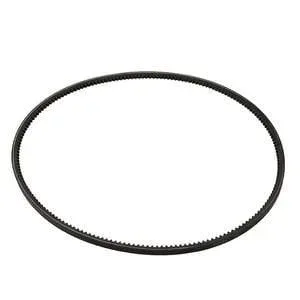
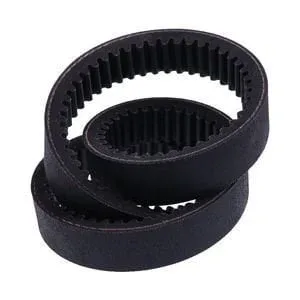
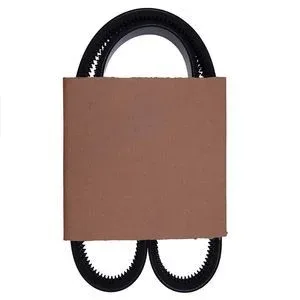
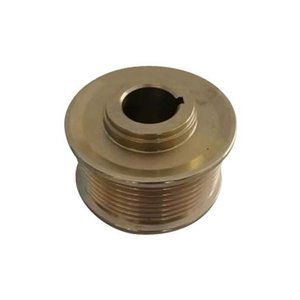
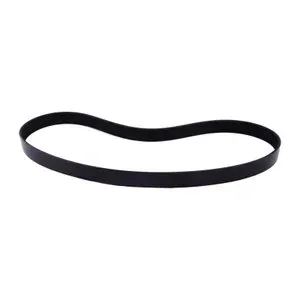
System-Matched Supply — Deutz 1011/2011 belt drive components ship together with verified cross-references, so the entire front-end drive is addressed in one overhaul pass.
Technical Specifications
| Parameter |
Value |
| Part Number |
0117-9565 |
| Product Type |
Belt |
| Cross-Reference |
01179565, 02235179, 2324000890 (reference only) |
| Machine Fitment |
BF4M2011, D2011L03, F2L1011F, F3L1011F, F3L2011, F3M2011, F4L2011 |
| Brand Compatibility |
Designed to replace belts used in Deutz 1011/2011 series engines |
| Dimensions |
10 × 1125 mm |
| Material |
Chloroprene rubber compound with high-modulus polyester tensile members |
| Operating Temperature |
-20°C to +120°C |
| Condition |
New Aftermarket |
| Warranty |
6-month standard warranty against manufacturing defects |
| Standards |
ISO 9001, ISO 4184, DIN 2215 |
| MOQ |
1 piece |
Application Suitability
| Engine System |
Related Components |
| Alternator drive |
Tensioner assembly, idler pulley, alternator mounting bracket |
| Water pump drive |
Water pump pulley, coolant hose connections adjacent to belt path |
| Cooling fan drive |
Fan hub bearing, fan clutch, shroud alignment |
| Air compressor drive |
Compressor clutch pulley, compressor mounting bolts |
| Auxiliary front-end drive |
Crankshaft pulley, front crankshaft seal, vibration damper |
Why the Belt Alone Rarely Solves the Problem
Replacing the belt without inspecting what drives it is how repeat failures start.
In my years sourcing for fleet overhauls across Indonesia, the most frustrating teardowns were the ones where a fresh belt was installed over a worn tensioner bearing or a glazed pulley groove. The Narrow V-Belt 0117-9565 engine replacement for Deutz 1011 2011 sits inside a system where every driven component shares the load. When one element drifts out of tolerance, the belt absorbs the consequence — accelerated edge wear, lateral vibration, or sudden snapping under load. [NEED_CITE: belt drive system failure root cause analysis for industrial diesel engines]
The Deutz 1011 and 2011 engine families power everything from quarry crushers to municipal road maintenance fleets. These engines run hot and run long, and the belt drive system manages alternator output, water pump circulation, cooling fan speed, and sometimes an air compressor. A failure in any of those driven components transfers stress directly into the belt. I have seen rebuild shops replace the belt three times before finally pulling the tensioner apart and finding a seized bearing. The narrow V-belt itself was never the root cause.

The System This Belt Belongs To
This V-belt operates at the front end of the Deutz 1011/2011 engine, routing power from the crankshaft pulley to auxiliary components. The chloroprene rubber compound and polyester cord reinforcement handle continuous high-temperature engine bay conditions. But the belt is only as reliable as the pulleys it rides on and the tensioner that keeps it loaded. When sourcing a Narrow V-Belt 0117-9565 engine replacement for Deutz 1011 2011, the conversation should always extend to what else in that front-end drive has accumulated wear.
What the Rebuild Sequence Should Address
A proper engine overhaul or belt drive service on these Deutz models means checking the tensioner bearing for free rotation, inspecting pulley grooves for lateral wear or glazing, and verifying the front crankshaft seal is not weeping oil onto the belt path. Coolant leaks from an adjacent water pump connection can contaminate the belt just as badly as oil. [NEED_CITE: engine belt contamination from coolant and oil leaks in diesel applications] Addressing these system-level conditions during the same service window prevents the new belt from inheriting the same environment that destroyed the previous one. Matched component supply means the tensioner, idler, and seals ship alongside the belt, so the entire front drive is renewed together.
Reading the Specifications That Matter
The 10 mm top width and 1125 mm pitch length must match the original pulley grooves precisely. Even a small deviation in pitch length creates uneven load distribution across the belt cross-section, which shows up as edge fraying within the first hundred hours. The dimensional tolerance of ±0.15 mm keeps the belt seated correctly in the pulley groove without riding too high or bottoming out. Chloroprene rubber was chosen for this application because it resists the combination of heat, oil mist, and ozone present in an enclosed engine compartment. The polyester tensile members provide the modulus needed to resist stretch under continuous load, maintaining tension across the service interval without frequent manual adjustment. [NEED_CITE: chloroprene versus EPDM belt material selection for high-temperature diesel engine environments]
The Cost of Ignoring System-Level Faults
Installing a new belt over a misaligned pulley or a fatigued tensioner spring guarantees premature re-failure. The shop that skipped the tensioner inspection will see the machine back on the bench within weeks, and this time the failure may take a water pump bearing with it if the belt snaps under load at speed. [NEED_CITE: cascading failure patterns in engine belt drive systems] Downtime on a quarry crusher or a port-side material handler is not measured in parts cost — it is measured in lost production hours. The hidden expense of treating the belt as an isolated component rather than a system element compounds with every repeat visit. Sourcing the matched set from the start eliminates the guesswork and protects the rebuild investment.
Why Buyers Source This Belt Drive System Here
Own production lines and qualified sourced supply operate under a single warranty account, so the belt and its adjacent tensioner or seal kit carry the same terms. Eight product categories mean a complete belt drive overhaul — belt, tensioner, pulley, front seal, gaskets — ships as one consignment under one commercial invoice. The Guangzhou warehouse stocks common Deutz 1011/2011 belt drive items for fast dispatch, and the one-piece minimum order means a single emergency belt purchase is never blocked by volume requirements. Part identification works from the OEM reference number, the engine model plate, or a photograph of the worn belt and pulley arrangement. Cross-reference verification covers superseded numbers like 02235179 and 2324000890, confirming fitment before anything ships. The technical team confirms tension specifications and grade suitability for the specific engine serial variant.
Documentation & Verification
- Commercial invoice listing each belt drive component with individual part references
- Cross-reference sheet mapping 0117-9565 to alternate numbers (reference only)
- Dimensional inspection record covering pitch length and top width tolerance
- Six-month warranty terms covering manufacturing defects on belt and matched components
- Packing photographs showing belt packaging condition before crate closure
- HS code and customs documentation for international belt drive part shipments
Installation & Rebuild Sequence
- Inspect crankshaft pulley groove for wear before routing the Narrow V-Belt 0117-9565 onto the drive path
- Clean all pulley contact surfaces with solvent to remove oil and coolant residue before belt installation
- Verify tensioner bearing rotates freely without grinding or lateral play prior to belt tensioning
- Apply manufacturer-specified deflection force and confirm belt tension at the longest unsupported span
- Run the engine at idle for initial seating, then recheck tension after the first heat cycle
Inquiry Guidance for This Belt Drive Component
Provide the exact Deutz engine model and serial number so the correct belt length variant is confirmed against the build record. If the engine has been rebuilt previously, note any changes to pulley configuration or tensioner type. Share a photograph of the existing belt routing and pulley arrangement if the data plate is unreadable. Request matched component pricing for the tensioner, idler pulley, and front crankshaft seal to complete the front-end drive renewal in a single order.
Frequently Asked Questions
Q: What other belt drive components should be replaced at the same time as this V-belt?
A: The tensioner assembly and idler pulley should be inspected and typically replaced during the same service window. The front crankshaft seal should also be renewed if it shows any sign of weeping, since oil contamination will destroy the new belt quickly. Our supply covers all these adjacent components so the entire front-end drive ships together.
Q: How do I confirm this belt matches my specific Deutz engine serial variant?
A: Provide the engine model and serial number from the data plate. The Deutz 1011 and 2011 families include variants with different pulley configurations and belt lengths across production runs. We verify the 10 × 1125 mm specification against your specific engine build record before confirming fitment.
Q: What system-level faults commonly cause premature belt failure on 1011/2011 engines?
A: Misaligned pulleys, seized tensioner bearings, and coolant or oil leaks onto the belt path are the most frequent root causes. A worn pulley groove that has become glazed or widened will also cause the belt to slip and wear prematurely. Addressing these conditions during the same repair prevents repeat failures.
Q: Can I order a matched set of belts if my engine uses multiple V-belts?
A: Yes. Some Deutz 1011/2011 configurations use more than one V-belt in the front drive arrangement. Matched sets ensure both belts share load evenly, since mixing a new belt with an old one causes the new belt to carry disproportionate stress. We supply matched and measured sets for these applications.
Q: How do I verify the correct tension specification after installation?
A: Apply the specified deflection force at the longest unsupported belt span and measure deflection distance. After the initial run-in at idle, allow the engine to cool and recheck tension, as the belt seats into the pulley grooves during the first heat cycle. Our technical team provides the tension values for your specific engine variant.