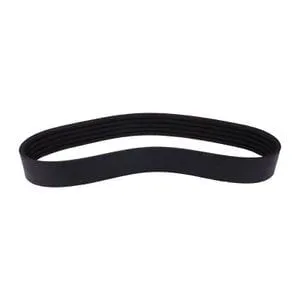
Matched set for Vermeer BC1000XL engine rebuild — belt and adjacent drive components verified against engine serial variant before dispatch
Technical Specifications
| Parameter |
Value |
| Part Number |
153263001 |
| Product Type |
Belt |
| Cross-Reference |
265-776, 265776 (reference only for identification purposes) |
| Machine Fitment |
Vermeer BC1000XL Chipper (compatible with) |
| Reinforcement Material |
High-tensile polyester-cord |
| Rubber Compound |
EPDM |
| Cross-section |
Trapezoidal |
| Dimensional Tolerance |
±0.3 mm |
| Operating Temperature Range |
-10°C to +65°C |
| Warranty |
6 months against manufacturing defects |
| MOQ |
1 piece |
Application Suitability
| Engine System |
Related Components |
| Belt drive and power transmission |
Tensioner assembly, idler pulleys, drive sheave |
| Engine-to-drum torque transfer |
Cutting drum bearings, main drive shaft |
| Auxiliary engine accessories |
Alternator belt, water pump pulley alignment |
| Scheduled engine overhaul |
Complete belt drive kit, seal kits, gasket sets |
Why the Same Belt 153263001 Arrives in Different Specifications
The engine serial range dictates which tensioner geometry your BC1000XL uses, and that determines the belt routing path.
When an engine rebuild shop orders a replacement belt for a Vermeer BC1000XL chipper, the assumption is often that one number covers every machine that left the factory. In practice, Vermeer sourced different engine builds across production years for this model, and each build carries its own tensioner position and pulley spacing. A Belt 153263001 ordered without confirming the engine variant may physically fit the grooves yet ride at an angle, causing edge wear within the first operating shift. [NEED_CITE: engine serial variant impact on belt drive geometry in wood chippers]
The failure rarely shows up as immediate breakage. Instead, the belt tracks off-center, generates heat along one shoulder, and develops cracking that gets blamed on material quality rather than misalignment. Shops that skip the serial-range check end up replacing the belt a second time before the first invoice is paid, and the real fault — a tensioner arm that was designed for a different pulley layout — still goes unaddressed.

The Belt Drive System Inside the BC1000XL Power Train
This belt sits between the engine crankshaft and the cutting drum sheave, transferring torque at sustained high RPM during chipping operations. It operates as part of a matched system that includes the tensioner, idler pulleys, and drive shaft bearings. When any one of these adjacent components wears beyond tolerance, the belt absorbs the misalignment and fails ahead of its expected service interval. Treating the Belt 153263001 as a standalone replacement without inspecting the surrounding drive train invites premature re-failure.
Engine Serial Variants and the Fitment Gap
Production runs of the BC1000XL spanned multiple engine configurations, each with slightly different accessory bracket castings. The bracket determines where the tensioner mounts, and a shift of a few millimeters in that mounting point changes the effective belt path length. We verify the engine serial range against the build record before confirming which cross-reference number — 153263001, 265-776, or 265776 — applies to the specific machine in your shop. This step prevents the situation where a belt marked with the correct part number still does not seat properly in the pulley grooves. [NEED_CITE: Vermeer BC1000XL engine variant identification methods]
Material and Dimensional Specifications That Matter in Chipping Duty
The EPDM rubber compound resists ozone cracking and heat buildup that accumulate when a chipper runs at full drum speed against dense hardwood. Polyester-cord reinforcement carries the tensile load without stretching under the cyclic shock of branch and trunk entry. The trapezoidal cross-section is held to ±0.3 mm so the belt seats in standard V-groove pulleys without requiring manual re-tensioning after initial run-in. These specifications address the three most common failure drivers in chipper belt drives: thermal degradation, tensile fatigue, and groove mismatch.
The Cost of Replacing the Belt Without Finding the Root Cause
When a belt snaps or shreds during operation, the instinct is to swap it and restart. If the underlying fault — a seized idler bearing, a worn tensioner spring, or a sheave with pitted grooves — remains in place, the new belt inherits the same destructive forces. We have seen shops go through two or three belts on a single BC1000XL before pulling the machine down for a proper drive train inspection. The downtime and repeat freight cost on those second and third orders typically exceed what a full system check would have required at the outset. [NEED_CITE: root cause analysis methodology for belt drive failures in forestry equipment]
What We Bring to This Specific Rebuild
Our production line for belt drive components operates under the same ISO 9001 quality system as our sourced supply lines, so the warranty and inspection standard are identical regardless of origin. The Belt 153263001 is available from one piece, which matters when a single machine is down and the shop does not need a full pallet. We cross-reference 153263001, 265-776, and 265776 against the engine serial plate you provide, catching superseded numbers before shipment. If a shop prefers to confirm fitment physically, we supply a sample belt for trial installation before the bulk order ships. Our technical team reviews the engine build variant and tensioner configuration to confirm grade and routing compatibility, drawing on identification from part number, machine model, photograph, or nameplate image.
Documentation & Verification
- Commercial invoice listing Belt 153263001 with cross-reference numbers marked reference only
- Fitment sheet confirming engine serial variant and matching tensioner geometry
- Dimensional inspection record covering trapezoidal profile and ±0.3 mm tolerance check
- Six-month warranty terms covering manufacturing defects in EPDM compound and cord reinforcement
- Packing photographs showing belt coiling and protective wrapping before dispatch
Installation & Rebuild Sequence
- Inspect all pulley grooves for pitting and wear before fitting the new Belt 153263001
- Verify tensioner arm travel matches the specification for the confirmed engine serial variant
- Clean all sheave surfaces to remove rubber residue and debris from the previous belt
- Seat the belt in the drive and driven grooves before applying tensioner load
- Run the engine at idle for initial seating, then re-check belt tracking alignment
- Confirm cutting drum engagement under no-load before applying full chipping duty
Requesting the Correct Belt for Your Machine
Provide the engine model, serial number, and any rebuild history so we can confirm which cross-reference applies to your BC1000XL. If the nameplate is unreadable, a photograph of the existing belt, tensioner bracket, and pulley arrangement lets us verify the variant. Include the condition of adjacent drive components — tensioner, idlers, sheaves — so we can advise whether a matched set ships together with the belt.
Frequently Asked Questions
Q: What other drive components should I inspect when replacing this belt?
A: Check the tensioner arm spring force and pivot bearing, all idler pulleys for free rotation, and the main drive sheave grooves for pitting or uneven wear. Any worn component in the drive train will shorten the service life of the new Belt 153263001 regardless of its own material quality.
Q: How do I confirm which cross-reference number applies to my BC1000XL build?
A: Send us the engine serial number from the nameplate. We cross-check 153263001, 265-776, and 265776 against the specific engine variant to confirm the correct belt length and routing path. If the plate is missing, a photo of the tensioner bracket casting helps us identify the build.
Q: What typically causes premature belt failure in chipping applications?
A: Misaligned pulleys, a weak tensioner spring, and contaminated sheave grooves are the most common causes. High-RPM chipping generates heat and shock loads that accelerate any existing alignment fault. [NEED_CITE: belt failure modes in high-duty wood chipping operations]
Q: Should I replace the tensioner and pulleys along with the belt?
A: If the tensioner pivot shows lateral play or the pulley grooves measure beyond wear limits, replacement during the same downtime avoids a second teardown. A matched set ensures the new Belt 153263001 runs on surfaces within original dimensional tolerance.
Q: Can I get a sample to verify fitment before committing to a bulk order?
A: We supply a single sample belt for physical trial fitment on your BC1000XL. This confirms the trapezoidal profile seats correctly in your pulley grooves and the belt length matches the tensioner travel for your engine variant before you commit to fleet quantity.