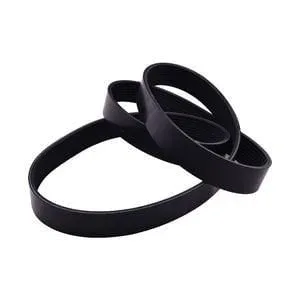
Overhaul Kits Verified Item by Item — This cooling system drive belt ships matched with tensioner and pulley components when a complete engine service is required.
Technical Specifications
| Parameter |
Value |
| Part Number |
84331239 |
| Product Type |
Belt |
| Cross-Reference |
84331239 (reference only) |
| Brand Compatibility |
New Holland |
| Machine Fitment |
L221, L228, L223, L230, L225, C227, C232, C238 |
| Condition |
New Aftermarket |
| Warranty |
3-12 months against manufacturing defects |
| MOQ |
1 piece |
| Manufacturing Standard |
ISO-certified manufacturing |
| Application Environment |
Construction site operations, agricultural tasks, quarry operations, heavy-duty loader engine cooling system drive |
Application Suitability
| Engine System |
Related Components |
| Engine cooling system drive |
Belt tensioner assembly, idler pulley, fan clutch |
| Accessory drive circuit |
Alternator pulley alignment, water pump bearing |
| Scheduled engine maintenance |
Thermostat, coolant hoses, radiator cap |
Diagnosing Root Cause Before a Fan Belt engine replacement for New Holland
A new belt fails early when the underlying fault in the tensioner or pulley bearing is ignored.
Workshops replacing only the worn belt frequently see repeat failure within a short operating window. In Chilean mine sites and agricultural operations, a machine returning to the yard for a second belt swap represents lost production time and unnecessary labor cost. The tensioner spring may have lost its load capacity, or a pulley bearing could have developed axial play that throws the belt off its tracking path [NEED_CITE: engine accessory drive belt failure root cause analysis]. Addressing the full cooling drive circuit on the first service visit prevents the second teardown.

The Cooling Drive Circuit in Skid Steer and Compact Track Loaders
The belt drives the cooling fan at a ratio that maintains safe engine operating temperature under continuous high-load conditions. When this fan belt engine replacement for New Holland equipment is due, the technician should inspect the entire drive loop: tensioner arm travel, idler pulley runout, and fan clutch engagement. Heat and oil exposure in the engine bay degrade belt compound over time, making heat resistance and oil resistance essential material properties.
Matching Adjacent Components During Cooling System Service
Ordering the belt alongside the tensioner, pulley, and related gaskets under one shipment eliminates the situation where one component arrives days after the machine is already torn down. A matched supply approach means the cooling system is serviced completely in a single visit [NEED_CITE: engine cooling system component replacement sequencing]. Engine serial variants across the L221, L228, L230, and C-series loaders can affect belt length and routing, so confirming the build record before ordering prevents fitment mismatch.
Specification Interpretation for Engine Bay Drive Components
The belt operates in an environment where ambient temperature near the exhaust manifold can significantly exceed typical ambient readings. Heat resistance compound formulation determines whether the belt retains flexibility or develops surface cracking after sustained high-temperature exposure. Oil resistance prevents swelling and softening when minor leaks from the valve cover or front seal introduce lubricant to the belt surface. The manufacturing standard under ISO-certified production ensures dimensional consistency across batches, which matters when a belt that is even slightly over-length causes the tensioner to operate at the end of its travel range. Fan clutch operation also affects belt load; a clutch that fails to disengage adds continuous drag and accelerates belt wear [NEED_CITE: accessory drive belt material degradation under thermal cycling].
What Happens When Only the Belt Is Replaced
Installing a new belt over a worn tensioner means the spring can no longer maintain correct tension, leading to slip, heat generation, and accelerated wear on the replacement belt. A seized or dragging idler pulley creates localized friction that damages the belt sidewall within operating hours. The result is a machine back in the shop for the same fault, with the customer questioning part quality when the actual failure point was never addressed [NEED_CITE: repeated belt failure diagnostic checklist for diesel engines].
Supply Capability for Cooling System Overhauls
Production on selected lines and qualified sourced supply under a single account means the belt, tensioner, and pulley ship together with consistent quality documentation. Eight product categories allow a complete engine service list to consolidate into one consignment, reducing split freight costs. Minimum order from one piece supports single-machine repairs without forcing unnecessary stock commitments. Cross-reference verification covers superseded and alternate numbers, catching part number changes across machine generations before an incorrect component is dispatched. Technical confirmation of compatibility and grade ensures the correct belt variant reaches the correct engine serial.
Documentation & Verification
- Commercial invoice listing belt part number and cross-reference for customs clearance
- Compatibility sheet confirming machine fitment for L221 through C238 models, marked reference only
- Dimensional inspection record verifying belt length and cross-section before dispatch
- Warranty terms covering manufacturing defects for the stated warranty period
- Packing photographs documenting belt condition and packaging integrity at shipment
- HS code classification support for engine drive belt import documentation
Installation & Rebuild Sequence
- Verify engine serial variant to confirm correct belt routing path and length match
- Inspect tensioner arm travel and spring load before fitting the new belt
- Check all pulley bearings for axial play and rotational smoothness
- Route belt following manufacturer diagram, confirming alignment on each pulley groove
- Run engine to operating temperature and re-check belt tracking and tensioner position
- Inspect fan clutch engagement and disengagement during initial warm-up cycle
Requesting a Matched Cooling System Quote
Provide the engine model, serial number, and any previous rebuild history to confirm the correct belt variant and identify which adjacent components should be included in the same order.
Frequently Asked Questions
Q: What other cooling system parts should be inspected when replacing the fan belt?
A: Check the tensioner arm and spring for correct load, inspect all idler and drive pulleys for bearing play, verify fan clutch engagement behavior, and examine coolant hoses for softening or collapse. Addressing these items during the same service visit prevents the machine from returning with a related fault shortly after the belt replacement is completed.
Q: How do I confirm the correct belt for my specific engine serial number?
A: Provide the machine model and engine serial number so the build record can be checked. Engine serial variants across L221, L228, and C-series loaders can affect belt length and routing. Cross-reference verification against the original equipment reference number, marked for identification purposes, confirms the correct variant before dispatch.
Q: Is the belt tensioner included or ordered separately?
A: The tensioner is a separate line item and should be ordered alongside the belt if inspection reveals wear or loss of spring tension. Including both components in one order ensures matched condition and avoids the machine sitting torn down while waiting for a second shipment to arrive.
Q: What causes repeated belt failure beyond normal wear?
A: Common causes include a tensioner that can no longer maintain proper tension, a seized or dragging pulley bearing creating localized heat, coolant or oil contamination degrading the belt compound, and misalignment from a worn fan clutch hub. Identifying and correcting the root cause during the first service visit prevents premature repeat failure.
Q: Can I get the full cooling service kit in one shipment?
A: Yes. Belt, tensioner, pulley, gaskets, and related cooling system components can be consolidated into a single consignment under one account and one warranty. This approach eliminates split freight charges and ensures all items arrive together so the cooling system service is completed in one workshop visit.