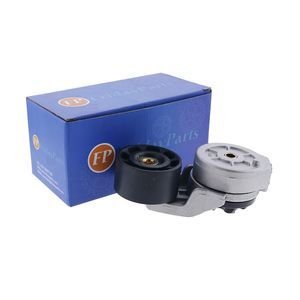
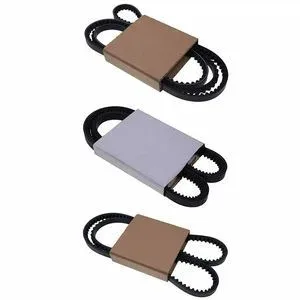
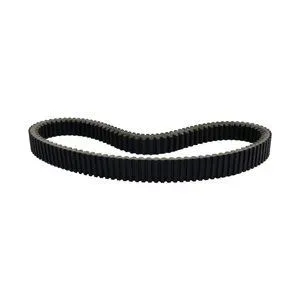
Overhaul Kit Contents Verified — Every belt variant cross-checked against Kawasaki and Kohler engine serial ranges before dispatch.
Technical Specifications
| Parameter |
Value |
| Part Number |
265-458 1323288 6586BR |
| Product Type |
Belt |
| Cross-Reference (reference only) |
1-323288, 1323288, 1-323288-SL, 1323288SL, 323288, 6586BR, 265-458, 265458, 12-9257, 129257, 75-177, 75177 |
| Machine Fitment |
M15KA322P, M15KA362, M15KA362P, M15KA483, M15KA483P, M16KA322P, M16KA362, M16KA362P, M16KA483, M16KA483P, M32-12.5K-5, M32-12.5KO-5, M32-8.5B-5, MG16KA362, MG16KA362CA, MG16KA362P, MG16KA483, MG16KA483CA, MG16KA483P, MG481KA362, MG481KA362CA, MG481KA362P, MG481KA483, MG481KA483CA, MG481KA483P |
| Brand Compatibility |
Fits Exmark Metro walk-behind mowers |
| Condition |
New Aftermarket |
| Material |
Aramid fiber reinforced rubber |
| Outer Layer |
Oil-resistant |
| Compound |
Heat-resistant rubber |
| Profile |
Precision-molded cog |
| Standard |
ISO |
| Warranty |
3-12 months against manufacturing defects |
Application Suitability
| Engine System |
Related Components |
| Primary drive transfer |
Drive pulleys, idler pulleys, tensioner springs |
| Engine-to-deck power path |
Spindle bearings, deck belt, clutch assembly |
| Kawasaki / Kohler / B&S variants |
Crankshaft pulley, belt guard hardware |
| Scheduled maintenance cycle |
Tensioner arm, pulley bushings, fastener set |
Why the Wrong Wheel Drive Belt Fails Before the Engine Does
A snapped wheel drive belt is rarely the root cause of the failure — it is the symptom. Mismatched belt grade, worn pulley grooves, or unaddressed engine vibration from a prior rebuild pushes the new belt past its fatigue limit within the first season.
Verify the engine serial variant before ordering, because the same Metro model number hides different pulley diameters across production runs.
I have seen overhaul kits labeled as complete arrive without the specific tensioner spring needed for the KA362 variant. The engine sits open on the bench while the missing part ships separately. [NEED_CITE: engine rebuild kit completeness verification standards]. A belt replacement that ignores pulley wear and alignment turns into a repeat failure within weeks, and the machine that was supposed to return to the job site stays down for a second round of diagnostics.

The Drive Belt Inside the Engine Power Transfer System
This wheel drive belt sits at the first stage of power transfer from the engine crankshaft to the ground-drive system. On Exmark Metro walk-behind mowers, the belt transmits full engine torque through a cog-profile engagement with the drive pulley, and any slip or mistracking at this point degrades every downstream component. The belt must match the specific pulley diameter tied to the engine variant — Kawasaki-powered units use a different crankshaft pulley geometry than Kohler or Briggs & Stratton variants, and a belt that fits physically may still run at the wrong tension.
Pulley Wear and the Hidden Cause of Repeat Belt Failures
A belt that snaps prematurely almost always points back to a system-level fault rather than a defective belt. Worn pulley grooves change the contact angle and create localized heat buildup that degrades the rubber compound. [NEED_CITE: belt drive system failure root cause analysis for commercial mowers]. Oil contamination from a leaking crankshaft seal softens the belt surface and accelerates cord separation. Debris packed into the cog profile reduces grip and forces the tensioner to compensate beyond its designed range. Checking these adjacent components during belt replacement prevents the new belt from inheriting the same failure mode.
Cog Profile, Cord Material, and Heat Load Under Continuous Operation
The precision-molded cog profile on this belt controls how the belt seats in the pulley groove and how it flexes around small-diameter sheaves. Aramid fiber reinforcement in the cord layer resists the tensile stretch that would otherwise allow the belt to ride higher in the groove and lose tracking. The oil-resistant outer layer protects against hydraulic fluid and chain oil exposure that are common in commercial landscaping environments. Heat-resistant rubber compound maintains flexibility across the operating temperature range of a Kawasaki or Kohler single-cylinder engine running under sustained load. Together, these material choices address the specific thermal and chemical environment of a walk-behind mower drive system rather than generic industrial belt service.
What Happens When the Belt Grade Does Not Match the Engine
Fitting a belt with the wrong cord construction or compound hardness on a high-torque engine creates a failure cycle that is difficult to diagnose from the belt alone. The belt may appear intact while the internal cord layers separate under repeated peak-torque pulses, leading to sudden loss of drive with no visible warning. A belt that is too stiff for the pulley diameter generates excessive bending stress at the cog root, producing cracks that propagate through the tensile member. [NEED_CITE: aramid vs polyester cord fatigue behavior in small sheave drive applications]. The result is a machine that passes a visual inspection but loses drive reliability under load, and the operator replaces belts without ever addressing the mismatch.
How XUNPO Supports Engine System Rebuilds
XUNPO produces selected part lines in-house and sources the remainder from qualified ISO-certified manufacturing partners, so both self-produced and sourced belts carry identical QC and warranty terms. Cross-reference verification covers superseded numbers such as 1-323288-SL, 12-9257, and 75-177 alongside the current 265-458 and 1323288 designations, preventing orders for obsolete variants. The Guangzhou warehouse stocks common belt profiles for fast dispatch, while less common variants ship against confirmed lead times. Technical confirmation of belt-to-engine compatibility uses the engine model and serial number rather than relying on cross-reference tables alone. A single account covers the belt, tensioner, pulley, and seal kit so the entire drive system rebuild ships as one consignment.
Documentation & Verification
- Commercial invoice listing each belt variant and cross-reference number
- Part compatibility sheet marking OEM numbers as reference only
- Dimensional inspection record covering belt length and cog pitch
- Warranty terms document specifying coverage period and conditions
- Packing photographs showing belt condition before crate closure
- HS code and customs documentation for international shipment
Installation & Rebuild Sequence
- Verify pulley groove condition and alignment before fitting the new belt
- Confirm belt part number matches the specific engine serial variant
- Set tensioner to manufacturer specification after belt installation
- Run the engine at idle to check belt tracking before applying load
- Inspect crankshaft seal for oil leaks that would contaminate the belt surface
Requesting a Compatibility Confirmation
Provide the engine model, serial number, and any prior rebuild history so the correct belt variant and associated tensioner components can be matched to your specific Metro mower configuration.
Frequently Asked Questions
Q: What other drive system components should be replaced alongside the belt?
A: The tensioner spring, idler pulley bearings, and pulley groove surfaces should all be inspected during belt replacement. Worn grooves or a fatigued tensioner spring will cause the new belt to fail prematurely. We supply matched tensioner and pulley components alongside the belt so the entire drive system is addressed in one order.
Q: How do I confirm which part number variant fits my engine serial?
A: Send the engine model and serial number from the engine nameplate, not just the mower model. The same Exmark Metro model was produced with different pulley diameters across engine variants. Our cross-reference verification checks your serial against the 265-458, 1323288, and alternate designations to confirm the correct fitment.
Q: Does this belt fit all Kawasaki, Kohler, and Briggs & Stratton variants in the Metro line?
A: The belt is compatible with specific engine variants across these manufacturers, but not all. Pulley geometry and crankshaft configuration differ between engine families, so fitment must be confirmed against the engine serial number before ordering. Provide your engine details and we verify compatibility before dispatch.
Q: What system-level faults cause repeated belt failure?
A: Common root causes include worn pulley grooves, oil contamination from a leaking crankshaft seal, misaligned tensioner arms, and debris buildup in the drive housing. Replacing the belt without addressing these faults leads to repeat failures. Our technical team can guide you through a system-level inspection checklist before you install the new belt.
Q: How do I verify pulley alignment before fitting a new belt?
A: Use a straight edge across the drive and idler pulley faces to check for parallel alignment. Misalignment causes the belt to track to one side and wear the cog edges unevenly. Correct any pulley offset or worn bushing before installing the new belt to ensure full service life.