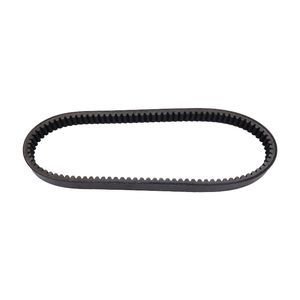
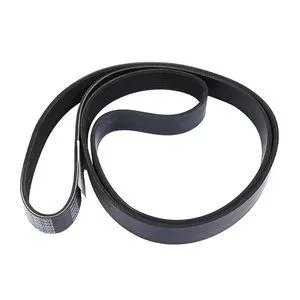
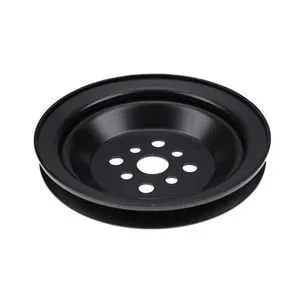
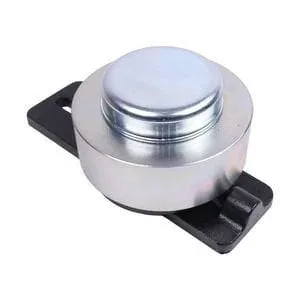
Matched Set Dispatch — This belt arrives alongside verified clutch and pulley components matched to your specific Club Car drivetrain variant.
Technical Specifications
| Parameter |
Value |
| Part Number |
105245801 |
| Product Type |
Belt |
| Cross-Reference (for identification purposes only) |
105245801, 10G3758 |
| Machine Fitment |
Onward, Carryall 300 Turf, Carryall 500 Turf, Carryall 550 Turf, Carryall 700 Turf, Carryall 900, Cafe Express, Precedent |
| Material |
EPDM rubber compound with aramid cord reinforcement |
| Profile |
Trapezoidal |
| Sidewall Hardness |
Shore A 72±3 |
| Operating Temperature Range |
–20°C to +80°C |
| Condition |
New Aftermarket |
| Standards Compliance |
ISO 9001, ISO 37, ISO 48 |
Application Suitability
| Engine System |
Related Components |
| CVT Drivetrain Primary Drive |
Drive clutch sheaves, driven clutch spring, idler pulley bearings |
| Variable Speed Transmission |
Belt guide rollers, clutch cable assembly, drive motor mounts |
| High-Cycle Engagement System |
Clutch button weights, sheave bushings, cooling fan shroud |
Why Drive Belt Failures Rarely Stop at the Belt
A snapped belt is usually the symptom, not the root cause. When this drive belt 105245801 fails prematurely on a Club Car utility vehicle, the underlying fault often lies in worn clutch sheave faces, fatigued tension springs, or misaligned guide rollers that created uneven loading across the trapezoidal profile [NEED_CITE: CVT belt failure root cause analysis in light utility vehicles]. Replacing the belt without addressing these adjacent components means the new unit inherits the same destructive forces that destroyed its predecessor. In Chilean mining camps where I once supported a fleet of Carryall units, a team swapped only the belt after a breakdown; the replacement lasted three days before the worn primary clutch sheave chewed through the sidewall again. An engine rebuild replacement strategy that addresses the drivetrain as a system — not as isolated components — prevents this cycle of repeated teardowns and secondary failures that compound fleet downtime across maintenance schedules.

The Drivetrain as an Integrated System
This belt sits at the center of a continuously variable transmission that manages power transfer between the engine crankshaft and the rear axle assembly. During an engine rebuild replacement procedure, the drive belt 105245801 must be evaluated alongside clutch sheave face condition, spring tension measurements, and idler bearing play — because degradation in any of these elements transfers stress directly to the belt sidewalls and cord reinforcement layers. Fleet maintenance teams servicing Club Car Precedent and Carryall models benefit from inspecting the complete drivetrain engagement path during scheduled service intervals.
Matching Dimensions to Drivetrain History
Utility vehicles that have undergone previous clutch service may present modified sheave faces or non-standard spring rates that alter the belt riding position within the pulley groove. The trapezoidal profile on this drive belt engine rebuild replacement must seat correctly against whatever sheave geometry exists on the specific unit [NEED_CITE: CVT sheave wear patterns and belt tracking deviation in utility platforms]. When sourcing for a mixed fleet, confirming whether each vehicle retains factory clutch specifications or has received aftermarket modifications determines whether this standard-profile belt maintains correct engagement or rides too high or too low in the groove, causing slip or excessive sidewall abrasion.
Specification Rationale for Drivetrain Demands
The EPDM rubber compound resists thermal degradation from sustained clutch engagement heat, while aramid cord reinforcement maintains tensile integrity under the cyclic loading of variable-speed operation. The trapezoidal profile geometry matches original sheave angles to ensure the belt wedges properly into the pulley groove during acceleration and load transitions rather than riding on the edges. Sidewall hardness within the Shore A 72±3 range provides enough flexibility to track around guide rollers without cracking, yet sufficient rigidity to transmit torque without excessive deformation under peak clutch pressure. Operating temperature tolerance from –20°C to +80°C covers the thermal envelope encountered during high-cycle municipal and resort fleet duty.
The Rework Cost of Skipping System Inspection
When maintenance teams replace only this belt without checking clutch sheave faces or spring condition, the new drive belt 105245801 absorbs the same misalignment and uneven pressure distribution that destroyed the previous unit. The result is a second teardown within weeks, doubling labor hours and extending vehicle downtime [NEED_CITE: repeated drivetrain teardown cost accumulation in fleet maintenance operations]. For fleet operators managing dozens of Club Car utility vehicles, this pattern compounds into significant unplanned downtime that disrupts scheduled route coverage and forces reactive parts ordering rather than planned inventory consumption.
Why Rebuild Shops Source This Belt Here
Our production and sourcing lines operate under unified QC protocols, meaning this drive belt engine rebuild replacement carries the same warranty terms regardless of which facility produced it. Eight product categories under one account let you consolidate belt, clutch, seal, and bearing orders into a single shipment rather than juggling multiple supplier lead times. Guangzhou warehouse stock enables fast dispatch on common configurations, while part identification from machine model, photograph, or worn nameplate image resolves fitment questions when original labels are unreadable. Cross-reference verification confirms whether 10G3758 and 105245801 both apply to your specific application variant. Sample supply allows fitment confirmation before you commit to bulk quantities for fleet-wide overhauls. Our technical team validates compatibility and profile specification when machine serial variants create ambiguity in parts catalogs.
Documentation & Verification
- Commercial invoice itemizing belt quantity and cross-reference numbers for customs clearance
- Compatibility sheet confirming machine model fitment against 105245801 and 10G3758 (reference only)
- Dimensional inspection record verifying trapezoidal profile tolerance before dispatch
- Warranty terms covering manufacturing defects for six months from delivery date
- Packing photographs showing belt condition and labeling prior to container loading
- HS code and customs documentation formatted for destination country import requirements
Installation & Rebuild Sequence
- Clean clutch sheave faces and guide roller surfaces before routing the new belt to prevent embedded debris from scoring the EPDM sidewalls
- Verify belt sits at correct depth in both primary and secondary pulley grooves without binding or excessive lateral play
- Confirm driven clutch spring tension matches factory specification for your Club Car model variant before final assembly
- Run drivetrain at low speed without load for initial engagement cycle to seat belt into sheave faces before applying operational torque
- Re-check belt tracking position after first hour of loaded operation to detect misalignment before sidewall damage accumulates
Inquiry Guidance
Provide your specific Club Car model designation and drivetrain serial number so we can confirm whether this drive belt 105245801 matches your clutch configuration. If the unit has undergone previous rebuild work or clutch modifications, share service records so we can verify profile compatibility and spring rate requirements. For fleet-wide procurement, send the complete vehicle list with model years to receive a consolidated compatibility matrix.
Frequently Asked Questions
Q: What other drivetrain components should be inspected when replacing this belt?
A: Primary and secondary clutch sheave faces for scoring or uneven wear, idler pulley bearings for axial play, driven clutch spring for fatigue or rate deviation, and belt guide rollers for surface degradation. Any worn element in this engagement path transfers destructive force directly to the new belt sidewalls, causing premature failure regardless of belt quality.
Q: How do I confirm the correct belt variant for a specific Club Car model year?
A: Cross-reference 105245801 and 10G3758 against your machine model and drivetrain serial number, as Club Car introduced variations across Carryall and Precedent generations. Provide the vehicle identification plate or drivetrain code so we can verify which belt specification matches your specific clutch geometry and sheave configuration.
Q: Does this overhaul require matched clutch sheave service?
A: Sheave face resurfacing or replacement is strongly recommended when belt sidewall abrasion patterns indicate uneven contact. Installing a new belt against worn or scored sheave surfaces concentrates load on reduced contact area, accelerating sidewall degradation and negating the benefit of fresh aramid cord reinforcement and EPDM compound.
Q: What system-level conditions cause premature belt failure in these drivetrains?
A: Clutch misalignment from worn motor mounts, fatigued driven spring allowing belt slip under load, contaminated sheave surfaces reducing friction, and guide roller bearing seizure creating lateral deflection. Each condition transfers abnormal stress to the belt structure in ways that compound over operating hours [NEED_CITE: CVT drivetrain wear cascade mechanisms in utility vehicles].
Q: How do I verify cross-reference 10G3758 against 105245801 for my application?
A: Both numbers identify compatible replacement belts for overlapping Club Car model ranges, but specific production years and clutch configurations may require one over the other. Submit your machine model and drivetrain serial number so we can confirm which reference applies to your exact unit and verify trapezoidal profile match.