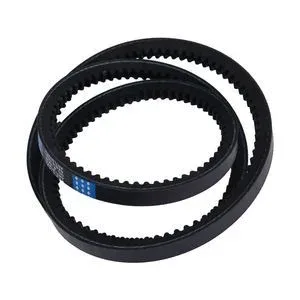
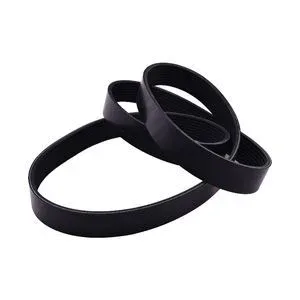
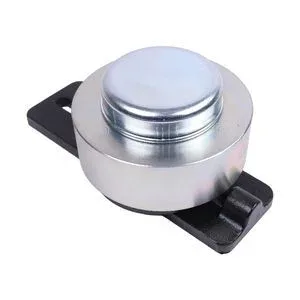
Matched Sets Confirmed — Every tensioner pulley order verified against engine serial variants and shipped with matched belt drive components for a complete rebuild package.
Technical Specifications
| Parameter |
Value |
| Part Number |
7269057 |
| Product Type |
Belt Tensioner Pulley |
| Cross-Reference |
7141788 (reference only) |
| Machine Fitment |
A770, S630, S650, S750, S770, S850, T630, T650, T750, T770, T870 |
| Condition |
New Aftermarket |
| Certification |
ISO Certified |
| Warranty |
3-12 months against manufacturing defects |
| MOQ |
1 piece |
Application Suitability
| Engine System |
Related Components |
| Bobcat Loader Auxiliary Drive |
Drive belt, idler pulleys, accessory pulleys, mounting hardware |
| Bobcat Loader Cooling Fan Drive |
Fan belt, fan clutch, tensioner assembly, coolant bypass hoses |
| Bobcat Loader Alternator Circuit |
Alternator, serpentine belt, tensioner bracket, electrical connectors |
| Bobcat Loader Water Pump Drive |
Water pump, drive belt, thermostat housing, gasket set |
The Hidden Fault Behind Repeated Belt Tensioner Pulley Failures
A tensioner pulley rarely fails alone; the root cause usually hides in the surrounding belt drive system.
Replacing a Belt Tensioner Pulley without checking the idler bearings, accessory alignment, or belt condition often leads to the same noise or slip returning within weeks. In engine rebuild shops, this pattern accounts for a frustrating share of comeback jobs where the customer blames the replacement part rather than the undiagnosed system fault. I have seen loaders arrive with a fresh tensioner already showing groove wear because a misaligned alternator bracket was never corrected. [NEED_CITE: belt drive system misalignment effects on tensioner bearing life]

Belt Drive System Context for Loader Engines
The tensioner pulley is one node in a chain that includes the crankshaft pulley, drive belt, idler pulleys, and driven accessories like the alternator and water pump. Consistent tension and alignment across this entire system determine whether a Belt Tensioner Pulley performs reliably after an engine rebuild. Supplying these components as a matched set prevents the mismatched wear rates that occur when a new tensioner runs against a glazed belt or a worn idler.
System Faults That Destroy New Tensioners
Coolant leaks from a failing water pump seal can degrade the belt material, increasing friction and overloading the tensioner bearing. Accessory mounts that have shifted due to vibration or previous impact damage create misalignment, forcing the pulley to track at an angle. During any engine overhaul, addressing these upstream faults is mandatory; otherwise, the replacement tensioner absorbs the penalty and fails prematurely. [NEED_CITE: coolant contamination effects on serpentine belt degradation]
Bearing Grade and Pulley Groove Dimensions
The internal bearing assembly within the tensioner pulley directly affects belt tracking stability and the load transferred to adjacent accessories. A quality Belt Tensioner Pulley uses a bearing grade suited to the continuous radial load and thermal environment of a loader engine bay. Groove depth and profile must match the belt cross-section to prevent slippage under high accessory load, which is common when the hydraulic system demands peak power from the engine.

The Cost of Ignoring the Root Cause
Installing a new tensioner over a contaminated belt or against a misaligned accessory mount leads to early bearing failure, belt shredding, and potential accessory damage. The machine returns to the workshop with the same complaint, and the rebuild shop absorbs the labor cost of a second teardown. This cycle damages shop reputation and wastes the downtime the customer initially tried to eliminate. [NEED_CITE: repeat belt drive failure diagnosis in mobile equipment repair]
Why Source This Component Here
Our own production lines and qualified sourced supply operate under one account and one warranty, so the tensioner and its matched belt ship with identical QC terms. We stock across eight categories, meaning the gaskets, seals, and fasteners needed for the same engine job consolidate into one dispatch. Minimum order is one piece, supporting emergency single-unit repairs alongside bulk stocking for fleet overhaul schedules. Part identification works from a part number, machine model, or a photograph of the worn nameplate. Cross-reference verification covers superseded numbers like 7141788 (reference only) to confirm which engine serial variant requires which tensioner. Technical support is available to confirm bearing grade and compatibility before you commit to a bulk order.
Documentation & Verification
- Commercial invoice and packing list itemizing tensioner pulley and matched belt quantities.
- Compatibility and cross-reference sheet linking 7269057 to applicable Bobcat engine serial ranges.
- Quality inspection record covering bearing smoothness, groove dimensions, and runout.
- Warranty terms document specifying coverage period for manufacturing defects on tensioner and belt.
- Packing photographs showing tensioner and belt packaged together before dispatch.
- HS code and customs documentation support for international engine parts shipments.
Installation & Rebuild Sequence
- Verify new Belt Tensioner Pulley bearing rotates smoothly without rough spots before installation.
- Clean all mating surfaces on the tensioner bracket and accessory mount faces to ensure alignment.
- Install matched belt and tensioner together, checking belt tracking across all pulleys during initial rotation.
- Confirm specified torque on tensioner mounting bolts to prevent bracket shift under load.
- Run engine at idle and observe belt alignment, listening for bearing noise before applying load.
Engine Rebuild Quotation Guidance
Provide the Bobcat loader model, engine serial number, and any known rebuild history so we can confirm whether your engine uses 7269057 or the alternate 7141788 (reference only). Share photographs of the old tensioner and belt if the nameplate is unreadable. We will return a consolidated quotation covering the tensioner, matched belt, and any associated gaskets or seals required for the complete belt drive system job.
Frequently Asked Questions
Q: What other belt drive components should be replaced together with the tensioner pulley?
A: The drive belt, idler pulleys, and any worn accessory pulleys should be evaluated and typically replaced as a set. A new Belt Tensioner Pulley running on a glazed belt or against a worn idler will absorb uneven loads, leading to premature bearing failure. We consolidate these matched components into a single shipment for your rebuild job.
Q: How do I confirm whether my engine uses 7269057 or 7141788?
A: The correct number depends on the engine serial variant and production date of your Bobcat loader. Provide your machine model and engine serial number, and we will verify the cross-reference (reference only) against our compatibility database. Sending a photograph of the old tensioner also helps confirm the correct variant before ordering.
Q: Does the overhaul kit include the correct belt and tensioner for my engine serial variant?
A: We build each kit based on your specific engine serial number, ensuring the Belt Tensioner Pulley and matched belt correspond to your engine build. Standard kits can miss variant-specific components, so we verify contents against your machine data before dispatch, preventing the missing-item delays that stall rebuild progress.
Q: What system-level fault could cause repeated tensioner pulley failure?
A: Misaligned accessory mounts, coolant leaks degrading the belt material, or worn belt grooves on adjacent pulleys can all overload the tensioner bearing. Diagnosing these root causes during the teardown prevents the new tensioner from failing shortly after installation, saving the cost and reputation damage of a comeback job.