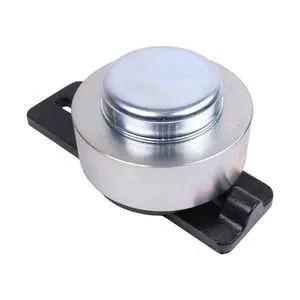
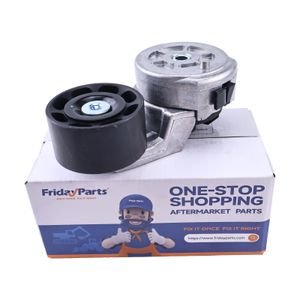
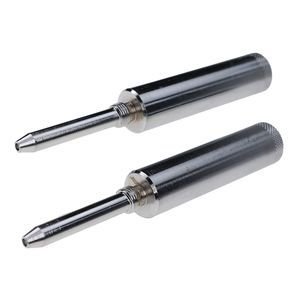
Matched Assembly Sets — Tensioner pulley, idler, and belts verified against engine serial variant before dispatch.
Technical Specifications
| Parameter |
Value |
| Part Number |
6735884 |
| Product Type |
Belt Tensioner |
| Cross-Reference (reference only) |
6711698 |
| Machine Fitment |
Bobcat T140, T180, T190, T550, T590 |
| Material |
Forged SAE 1045 Steel |
| Bearing Type |
Sealed Double-Row Angular Contact Ball Bearings (ABEC-3 Rated) |
| Bearing Grease |
NLGI #2 Lithium Complex Grease (Rated to 120°C) |
| Mounting Flange Tolerance |
±0.05 mm |
| Surface Hardness |
HRC 58–62 |
| Radial Load Capacity |
8.5 kN |
| Dynamic Balance |
≤2.5 g·mm |
| Assembly State |
Pulley Assembly |
| Condition |
New Aftermarket |
| Warranty |
6 months against manufacturing defects |
| MOQ |
1 piece |
| Standards |
ISO 9001 |
Application Suitability
| Engine System |
Related Components |
| Front-End Accessory Drive |
Drive belts, idler pulleys, water pump, alternator mounting bracket |
| Engine Cooling Fan Drive |
Fan hub bearing, fan clutch assembly, serpentine belt |
| Hydraulic Pump Drive (if belt-driven) |
Pump drive belt, coupler, pump mounting hardware |
| Scheduled Overhaul |
Complete engine gasket set, front crankshaft seal, timing cover gasket |
Why a New Belt Alone Cannot Fix a Worn Tensioner
The drive belt tensioner pulley engine rebuild parts control system tension; ignoring bearing play guarantees early belt failure.
I once handled a warranty claim where a Bobcat T590 owner replaced the drive belt but left the old tensioner pulley in place. The machine was back in the shop within a week, the new belt shredded along one edge. Teardown showed the old pulley bearings had excessive axial play, forcing the belt to track off-center under load. Replacing the belt without renewing the tensioner assembly is a common shortcut that shifts the failure forward by a few hundred hours rather than solving it [NEED_CITE: belt drive system misalignment failure modes in compact track loaders]. The correct repair addresses the entire front-end accessory drive as a system, checking bracket alignment and water pump bearing condition before the new drive belt tensioner pulley engine rebuild parts go on.

System-Level Matching for the Accessory Drive
A compact track loader engine bay packs the alternator, hydraulic fan drive, and sometimes an AC compressor onto a single serpentine or multi-belt layout. The tensioner pulley sits at a critical node, absorbing dynamic load variations as engine speed changes and accessories cycle on and off. Sourcing the drive belt tensioner pulley engine rebuild parts together with matched belts and idler pulleys ensures the entire system reaches the same wear milestone, rather than one component dragging the others down prematurely.
Engine Serial Variants and Bracket Geometry
Bobcat loaders in the T140 through T590 range have seen several engine generation changes, and the front cover bracket casting can differ between early and late production units. The superseded reference 6711698 applies to earlier machines, while 6735884 covers later builds. Mounting flange tolerance is held to ±0.05 mm, but the bracket itself must be inspected for wear or distortion from previous belt failures. A bracket that has shifted even slightly will impose a side load on the new pulley bearing, cutting its service life short [NEED_CITE: engine front cover bracket inspection procedures during belt drive overhaul]. Confirming the engine serial number before ordering avoids the situation where the bolt pattern fits but the belt routing geometry does not.
What the Bearing and Hardness Specs Mean in Practice
The sealed double-row angular contact ball bearings carry an ABEC-3 rating, meaning internal clearance and raceway geometry are controlled to tighter limits than standard industrial bearings. This matters in a belt drive application because radial and axial loads combine as the belt wraps around the pulley at high speed. The NLGI #2 lithium complex grease is rated to 120°C, covering the sustained thermal environment inside an enclosed engine bay where ambient temperatures already exceed 80°C under load. Surface hardness of HRC 58–62 on the forged SAE 1045 steel pulley groove resists the micro-pitting that develops when belt ribs press repeatedly against the pulley face. Dynamic balance held to ≤2.5 g·mm prevents the high-frequency vibration that accelerates bearing fatigue and transfers unwanted oscillation into the front crankshaft seal.
The Cost of Skipping Root Cause Analysis
When a tensioner pulley fails early, the instinct is to blame the part. More often, the root cause sits in an adjacent component: a water pump bearing with developing play, a misaligned alternator bracket, or a crankshaft pulley that has walked forward on its keyway. Fitting a new tensioner assembly without investigating these conditions means the same asymmetric load will destroy the replacement in short order. I have seen this pattern repeat on machines where the workshop treats each component as an isolated replacement rather than part of an interconnected system. The repair cost doubles, and confidence in the parts supply erodes [NEED_CITE: diagnostic approach to recurring belt drive failures in diesel engines].
Sourcing from a Single Account with Verified Cross-References
This tensioner pulley assembly is produced on selected lines in our own facility or sourced from qualified ISO-certified partners, with identical QC and warranty terms across both channels. The eight product categories in our catalog mean a complete engine overhaul list—gaskets, seals, bearings, belts, and tensioners—ships under one account and one consignment. Part identification is available from the number, machine model, or a photograph of the worn nameplate. Cross-reference verification covers superseded numbers like 6711698, confirming applicability before the order is placed. Sample supply is available for fitment confirmation before bulk commitment, and the technical team can confirm compatibility and grade against your specific engine serial variant.
Documentation & Verification
- Commercial invoice and packing list itemizing each tensioner assembly with batch traceability
- Part compatibility sheet noting engine serial ranges and cross-reference 6711698 (reference only)
- Quality inspection record covering dynamic balance test and rotational torque measurement
- Warranty terms document specifying coverage period and manufacturing defect conditions
- Packing photographs showing protective wrapping and carton labeling before dispatch
- HS code and customs documentation support for destination country clearance requirements
Installation & Rebuild Sequence
- Inspect front cover bracket for wear or distortion before mounting the new tensioner assembly
- Clean mounting surface thoroughly; residual gasket material alters flange alignment beyond ±0.05 mm tolerance
- Torque mounting bolts to engine service manual specification in the stated sequence
- Verify belt routing against the diagram on the engine shroud or service manual before tensioning
- Run engine at idle for initial bedding period, then recheck belt tension and pulley alignment
- Inspect adjacent water pump and alternator bearings for play while the belt is off
Request a System-Matched Quote
Provide your engine model, serial number, and any previous rebuild history so we can confirm the correct tensioner variant and matching belt specification. If the machine has experienced repeated belt drive failures, share the fault pattern so we can advise on adjacent components to include in the repair scope.
Frequently Asked Questions
Q: Should I replace the drive belts at the same time as the tensioner pulley?
A: Yes. A worn tensioner bearing often leaves glazing or edge wear on the belt that is not visible to a quick visual check. Installing a new tensioner pulley assembly against an old belt means the belt's already-compromised profile will not seat correctly in the new pulley groove, leading to slippage and accelerated wear on both components from the first hour of operation.
Q: What other belt drive components should be inspected during this repair?
A: Check the water pump bearing for axial and radial play, the alternator bracket for cracks or elongated bolt holes, and the crankshaft pulley for keyway wear or forward migration. Any of these conditions will impose a side load on the new tensioner bearing and cause premature failure. Inspect all idler pulleys for smooth rotation and replace any that show roughness.
Q: How do I confirm the correct tensioner variant for my engine serial number?
A: The superseded reference 6711698 applies to earlier production machines, while 6735884 covers later engine builds. Provide your engine serial number so we can verify the correct variant, confirm bolt pattern and belt routing geometry, and cross-check against any mid-production engineering changes that affect the front-end accessory drive layout.
Q: Is the bearing serviceable separately, or must the full assembly be replaced?
A: The bearing is pressed into the pulley body and sealed at the factory. Attempting to press out and replace the bearing alone risks damaging the pulley bore and compromising the mounting flange alignment. The assembly is supplied as a complete unit to ensure the ±0.05 mm flange tolerance and dynamic balance specification are maintained as a verified system.
Q: What system conditions cause premature tensioner pulley failure?
A: Coolant contamination from a leaking water pump can degrade the bearing grease through seal ingress. Misaligned brackets from a previous impact or improper reassembly impose continuous side loads. Oil mist from a leaking front crankshaft seal softens the belt material, increasing slip and the cyclic shock load transmitted through the tensioner bearing on every combustion pulse.