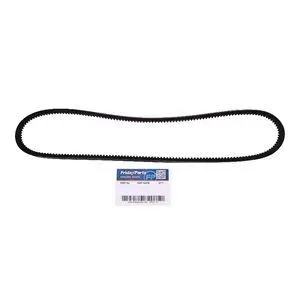
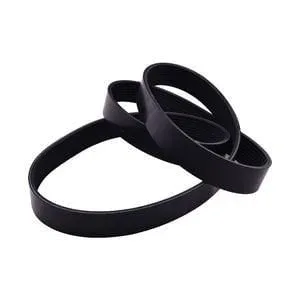
Matched System Components — belt, tensioners and pulleys ship together under one warranty after cross-reference verification.
Technical Specifications
| Parameter |
Value |
| Part Number |
131-1122 145-3482 |
| Cross-Reference |
131-1122, 1311122, 145-3482, 1453482 (reference only) |
| Product Type |
Belt |
| Part Name |
52" Deck Belt |
| Machine Fitment |
74505, 74519, 74529, 79505 Grandstand, Grandstand Multi Force Mowers |
| Brand Compatibility |
Toro |
| Application |
52" cutting deck |
| Condition |
New Aftermarket |
| Warranty |
3-12 months against manufacturing defects |
| Manufacturing Standard |
ISO-certified |
Application Suitability
| Engine System |
Related Components |
| Belt drive — primary power transmission |
Tensioners, idler pulleys, spindle bearings |
| Belt drive — tension management |
Automatic and manual tensioner assemblies |
| Belt drive — rotational alignment |
Deck pulleys, mandrel housings |
| Belt drive — load transfer under cutting resistance |
Spindle shafts, blade adapters |
Why a New Deck Belt Fails Within Weeks of Installation
The belt is the symptom; the belt drive system is the disease.
In our Guangzhou warehouse handling aftermarket parts for commercial mower fleets, the same story repeats: a Deck Belt 131-1122 145-3482 aftermarket replacement goes on, the machine runs for a short period, then the new belt snaps or frays and the mower is back on the bench. I handled warranty claims early in my career and saw the pattern clearly — the failed belt was rarely the root cause. Worn tensioners, glazed pulleys, or a binding spindle bearing had been applying uneven lateral loads that no replacement belt could survive. [NEED_CITE: belt drive system failure root cause analysis for commercial mowing equipment] When a commercial mower goes down mid-contract, the operator orders a belt, fits it, and sends the machine back out without inspecting the rest of the drive path. The result is predictable.
The Belt Drive System as an Integrated Assembly
A Deck Belt 131-1122 145-3482 aftermarket replacement does not operate in isolation. It wraps around multiple pulleys, rides against idler wheels, and depends on consistent tensioner force to transmit power from the engine output to the 52-inch cutting deck. When any of these adjacent components fall outside tolerance, the belt absorbs the misalignment as accelerated wear on its sidewalls and cord structure. Inspecting the full belt drive system at the same service interval prevents the costly cycle of replacing belts while ignoring what destroys them.
Tensioner and Pulley Condition Dictates Belt Life
A tensioner that no longer applies correct force allows the belt to slip under heavy grass loads, generating heat that degrades the rubber compound from the inside. Pulleys with worn grooves or accumulated debris create point loading that cuts through belt plies. During a complete belt drive service event, these components must be checked for play, surface condition, and rotational freedom. Ordering matched tensioners and pulleys alongside the replacement belt means the entire drive path returns to specification in one service window rather than through repeated interventions [NEED_CITE: scheduled maintenance intervals for belt-driven commercial mower decks].
Reinforced Compound and Dimensional Accuracy
This belt uses a reinforced rubber compound formulated to resist cracking from the temperature fluctuations and oil exposure common in mower belt drive environments. The compound must remain flexible enough to wrap tightly around small-diameter pulleys yet resist elongation under sustained cutting loads. Precise length and width are critical — even a small deviation means the belt either runs too tight, loading the spindle bearings, or too loose, slipping and burning. Tensile strength meets the original specification range so that power transmission remains consistent when the deck encounters dense or wet grass. The 52-inch deck application requires a specific belt profile; substituting a generic belt of similar length but different cross-section invites tracking issues and premature failure.

Specification Details That Matter on the Bench
The 52-inch deck on Toro Grandstand models routes the belt through a specific path involving multiple pulleys and at least one tensioner. Belt length must match this routing exactly — too long and the tensioner reaches its limit before applying adequate force; too short and installation becomes impossible without damaging the tensioner spring. The belt cross-section must seat fully in the pulley grooves. A shallow-seated belt rides higher in the groove, effectively changing the drive ratio and generating excess heat. The reinforced cord structure carries the tensile load while the rubber body handles flex fatigue. In high-grass or continuous commercial operation, both loads are elevated, and the compound must resist glazing — a hardened surface that loses grip and accelerates wear on the entire belt drive system.
The Cost of Replacing Only the Belt
Fitting a new belt over worn pulleys and a fatigued tensioner is the most common cause of early belt failure in commercial mower fleets. The new belt conforms to the worn groove profile, concentrating stress on specific cord strands. A tensioner that cannot maintain force lets the belt slip during engagement, producing enough heat to damage the cord bonding within the first hours of operation. The machine returns to the workshop, the belt is replaced again, and the underlying damage to spindle bearings continues unchecked. Each cycle costs labor hours and machine availability without addressing the wear pattern that caused the original failure [NEED_CITE: cumulative downtime cost from incomplete belt drive system service].
Why Source This Belt Drive Assembly Here
Our selected production lines and qualified sourced supply carry identical QC and warranty terms, so whether this belt comes from our own facility or a partner line, the standard is consistent. Eight product categories mean the tensioners, pulleys, spindle bearings, and seals for a full deck service ship in one consignment under one account. Minimum order starts at one piece for emergency single-machine repairs. Our Guangzhou warehouse holds stock on fast-moving belt drive items for immediate dispatch. Part identification works from the OEM reference number, the machine model, or a photograph of the worn belt and its routing path. Cross-reference verification covers superseded and alternate numbers so that 131-1122 and 145-3482 are confirmed against your specific Grandstand variant before dispatch. Sample supply is available for fitment confirmation before bulk commitment.
Documentation & Verification
- Commercial invoice listing each belt drive component with individual part references
- Cross-reference sheet mapping 131-1122 and 145-3482 to applicable Grandstand models (reference only)
- Dimensional inspection record confirming belt length and cross-section before packing
- Warranty terms covering manufacturing defects for 3-12 months from delivery
- Packing photographs showing belt coil protection and consignment contents
- HS code classification and export documentation prepared for belt drive category
Installation & Rebuild Sequence
- Release tensioner fully before routing the new 52" deck belt through all pulleys
- Inspect every pulley groove for wear, scoring, or debris buildup before belt installation
- Verify spindle bearings rotate freely without lateral play or binding
- Apply correct tensioner force and check belt tracking at low speed before full engagement
- Run the deck under no-load conditions to confirm alignment before returning to cutting service
- Record belt installation date and hours for next scheduled belt drive system inspection
Request a System-Matched Quotation
Provide the Grandstand model number (74505, 74519, 74529, or 79505), the deck size, and any visible wear patterns on the existing belt or pulleys. If the nameplate is unreadable, send a photograph of the belt routing and pulley layout for identification. Our technical team will confirm the correct belt specification and recommend which adjacent belt drive components should ship in the same consignment based on your service history and fleet size.
Frequently Asked Questions
Q: What other belt drive components should I inspect when replacing this deck belt?
A: Check all pulleys for groove wear and rotational freedom, the tensioner for spring force and arm play, idler bearings for smooth rotation, and spindle shafts for lateral movement. Any component outside specification will damage the new belt quickly. We supply matched tensioners, pulleys, and bearing sets alongside the belt for a complete system service.
Q: How do I confirm the correct belt when OEM numbers have been superseded?
A: Provide the machine model and deck size, or send a photograph of the existing belt and its routing. We verify cross-reference numbers 131-1122 and 145-3482 against superseded and alternate references to confirm the correct specification for your specific Grandstand variant before shipping.
Q: What causes premature deck belt failure beyond normal wear?
A: Worn tensioners allowing slippage, pulleys with damaged grooves causing point loading, binding spindle bearings creating uneven drag, and debris accumulation in the belt path all destroy belts ahead of schedule. Addressing only the belt without diagnosing the surrounding belt drive system leads to repeated failures and compounding downtime.
Q: Can I order matched pulleys and tensioners with this belt in one shipment?
A: Yes. We consolidate belt drive system components — belts, tensioners, idlers, pulleys, and spindle bearings — into a single consignment under one account and one warranty. This eliminates split deliveries and ensures all replacement parts arrive together for one complete service event.
Q: How do I identify my Toro Grandstand model if the nameplate is worn?
A: Send a photograph of the machine, focusing on the deck configuration, pulley layout, and any readable identification plates. Our team cross-references the visual details against model specifications for the 74505, 74519, 74529, and 79505 variants to confirm the correct belt and compatible belt drive components.