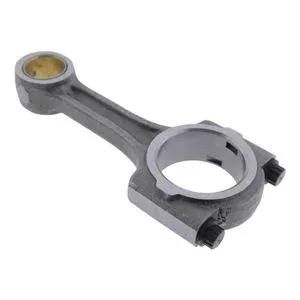
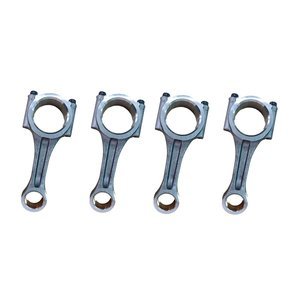
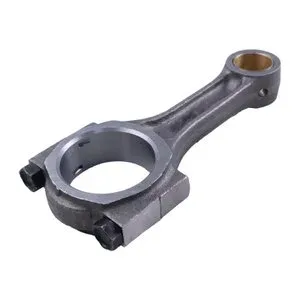
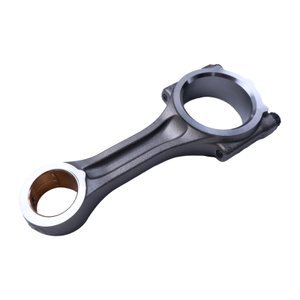
System-Matched Supply — This connecting rod for Kubota Z482, D722, D902, and WG972 engines ships alongside matched bearings, piston assemblies, and overhaul gaskets to keep bottom-end tolerances consistent across the entire rebuild.
Technical Specifications
| Parameter |
Value |
| Part Number |
16851-22010, 16851-22012, 16851-22015, 16851-22017 |
| Product Type |
Connecting Rod |
| Cross-Reference (reference only) |
1685122010, 1685122012, 1685122015, 1685122017, 16851-2201-0, 16851-2201-5, 16851-2201-7, K168512201, 110-3735, 1103735 |
| Machine Fitment |
K008, K008-3, K008-5, KX018-4, KX41-3, U10-5, U10-3, U17, KX36-3, KX016-4, G1900, G1900S, TG1860-48, TG1860B54, TG1860-54, TG1860AB54, TG1860A48, TG1860A54, G2160, G2160-DS, G2160AU, GR2110, GR2120, GR2120-2, GR2120B, GR2120B-2, GF1800, GF1800E, B7300HSD, B7400HSD, BX1800D, BX1850D, BX1860D, BX1870-1, BX1870, BX1860, BX1880, BX1880-1, BX2360, BX2370, BX2370-1, BX2380, BX2380-1, BX23S, BX23S-1, BX25, BX25DLB, BX25DLB-1, ZD18, ZD18F, ZD1011, ZD1011-3, ZD1021, ZD1021-3, ZD221, ZD321, ZD321N, ZD323, ZG332LP, ZG332P, ZP330LP, ZP330P, RTV900XTG, RTV900XTR, RTV900XTS, RTV900XTT, RTV900XTW, RTV-X900G, RTV-X900R, RTV-X900W |
| Condition |
New Aftermarket |
| Material |
High-strength steel |
| Surface Treatment |
Corrosion-resistant treatment |
| Assembly State |
Complete connecting rod assembly |
| Warranty |
3–12 months against manufacturing defects |
| Quality Standard |
ISO 9001 |
Application Suitability
| Engine System |
Related Components |
| Kubota Z482 bottom-end rebuild |
Con rod bearing shells, main bearings, piston and pin assembly, wrist pin bushing |
| Kubota D722 / D782 overhaul |
Overhaul gasket set, crankshaft thrust washers, rod bolt set |
| Kubota D902 cylinder repair |
Piston rings, cylinder liner, small-end bushing, connecting rod bearings |
| Kubota WG972 gasoline engine service |
Matched piston set, rod bearing shells STD or undersize, crankshaft seal kit |
Why the Same Connecting Rod Part Number Ships in Multiple Variants
Engine serial range determines the correct rod variant, not just the engine model.
Across the Kubota small diesel and gasoline engine family, a single base rod casting can appear under several part numbers such as 16851-22010, 16851-22012, 16851-22015, and 16851-22017. The differences are not cosmetic. Pin bore diameter, rod bolt thread pitch, and big-end bearing width shift between engine serial ranges. A connecting rod ordered by machine model alone — say a BX2370 compact tractor or a KX018-4 mini excavator — may arrive with the wrong small-end bushing ID for the piston pin on that specific engine build. In the warehouse, I watched a Z482 teardown stall because the replacement rod required a different wrist pin bushing than what the original engine serial used. The rebuild shop lost an afternoon sourcing the correct bushing locally [NEED_CITE: Kubota engine serial variant identification for bottom-end components].

System-Level Matching for Bottom-End Rebuilds
The connecting rod sits at the center of a dimensional chain that runs from the crankshaft journal through the bearing shell, the rod big-end bore, the piston pin, and up to the piston crown clearance. Every element in that chain must share the same tolerance grade. Supplying this connecting rod as part of a matched set — with verified bearing shells, piston assemblies, and gaskets — keeps the entire bottom-end rebuild within specification. An engine rebuild shop quoting a complete D902 overhaul benefits from receiving all bottom-end components under one part list rather than reconciling dimensions from separate shipments.
Crankshaft Regrind History and Bearing Grade Confirmation
When a Kubota engine has been through a previous rebuild, the crankshaft journals may already be ground to an undersize. The connecting rod itself remains standard, but the bearing shell grade must shift to 0.25 mm or 0.50 mm undersize accordingly. If the regrind history is unknown, measuring the journal diameter before ordering bearing shells is essential. I have seen rebuilds where standard shells were installed on a previously reground crankshaft — the oil clearance was excessive from the first start-up, and the engine was back on the bench within weeks [NEED_CITE: crankshaft journal measurement procedures for small diesel engine rebuilds]. Confirming the crankshaft state before the connecting rod and bearings ship prevents this mismatch entirely.
Material and Dimensional Integrity Under Cyclic Loading
The high-strength steel construction of this connecting rod is selected to withstand the repeated tensile and compressive loads in Kubota's small-bore diesel and gasoline engines. The corrosion-resistant surface treatment protects the rod during storage and in engines that sit idle between seasons — a common scenario for garden tractors and utility vehicles in the machine fitment list. The complete assembly state means the small-end bushing is already fitted and reamed to the correct pin bore, removing one variable from the rebuild sequence. Big-end bore roundness and rod alignment are checked during production to prevent the uneven bearing wear that leads to premature rod knock.
The Cost of Ordering a Connecting Rod Without Its Adjacent Parts
Ordering the rod alone and sourcing bearings, pistons, and gaskets separately introduces tolerance stacking risk. If the bearing shells come from one supplier and the piston from another, the combined dimensional variation can push oil clearance outside the acceptable window. The result is not always immediate failure — it is often a gradual loss of oil pressure that the operator notices only after significant bearing wear has occurred. A rebuild that was supposed to extend engine life by thousands of hours instead returns to the workshop for a second teardown. This pattern is especially common when overhaul kits are sold as "complete" but omit items the specific engine build requires [NEED_CITE: tolerance stacking effects in small engine bottom-end rebuilds].
Why Rebuild Shops Source Bottom-End Components Together
Our own production lines and qualified sourced supply operate under one account and one warranty, which matters when a single D722 overhaul needs components from engine, seal, and gasket categories. Eight product categories mean the complete job list — connecting rods, bearing shells, piston sets, overhaul gaskets, crankshaft seals — ships as one consignment. Minimum order from one piece supports the single-cylinder repair where only one rod is replaced while the remaining cylinders are inspected. Part identification works from the OEM number, machine model, photograph, or nameplate image, which helps when the original rod stamping is worn or oil-stained. Cross-reference verification covers superseded and alternate numbers like 1685122015 or 110-3735, and sample supply allows fitment confirmation before a shop commits to bulk quantities. The technical team confirms bearing grade and engine serial compatibility before the order ships.
Documentation & Verification
- Commercial invoice listing each connecting rod variant by engine serial range
- Cross-reference sheet mapping 16851-22010 through 16851-22017 to engine builds (reference only)
- Dimensional inspection record covering big-end bore, small-end bushing ID, and rod alignment
- Warranty terms specifying coverage period for manufacturing defects
- Packing photographs showing rod assembly protection during transit
- HS code and customs documentation for international engine parts shipments
Installation & Rebuild Sequence
- Verify crankshaft journal diameter before installing bearing shells into the connecting rod big-end
- Confirm rod bolt thread pitch matches the engine serial variant — do not reuse stretched bolts
- Check piston pin to small-end bushing clearance with a bore gauge before assembling the piston
- Torque rod bolts to the specification for the specific Kubota engine model in staged increments
- Rotate the crankshaft by hand after each rod installation to confirm free movement without binding
- Run the engine at low idle for the initial break-in period and monitor oil pressure continuously
Request a System-Matched Quotation
Provide the exact Kubota engine model and serial number — not just the machine model — so the correct connecting rod variant and bearing grade can be confirmed. If the crankshaft has been reground during a previous overhaul, share the measured journal diameter or the undersize grade used. For shops planning multiple rebuilds, send the engine list to receive a matched bottom-end kit quotation covering rods, bearings, pistons, and gaskets in one shipment.
Frequently Asked Questions
Q: What other components should be replaced together with the connecting rod during an overhaul?
A: During a Kubota bottom-end rebuild, the connecting rod should be paired with matched bearing shells, piston and pin assemblies, wrist pin bushings, rod bolts, and a full overhaul gasket set. Supplying these as a matched set ensures dimensional consistency across all mating surfaces and prevents tolerance stacking that causes premature wear.
Q: How do I determine if I need standard or undersize bearing shells for this connecting rod?
A: Measure the crankshaft journal diameter with a micrometer. If the engine has been through a previous rebuild, the journals may already be ground to 0.25 mm or 0.50 mm undersize. The connecting rod big-end bore remains standard — only the bearing shell grade changes to match the reground journal.
Q: Are Z482, D722, D782, and D902 all using the same connecting rod?
A: These engines share a common base rod casting, but pin bore diameter, rod bolt thread, and big-end bearing width differ between engine serial ranges. The correct variant must be confirmed against the specific engine serial number, not just the model designation, to avoid fitment issues during assembly.
Q: What caused the original connecting rod to fail, and how do I prevent repeat failure?
A: Connecting rod failure in Kubota small engines is frequently secondary to oil starvation, over-revving, or coolant ingress into the cylinder. Identifying and correcting the root cause — such as a blocked oil passage or a failing head gasket — before installing the replacement rod prevents the new component from failing under the same conditions.
Q: Can I order a matched overhaul kit with pistons, bearings, and gaskets in one shipment?
A: Yes. Bottom-end components including connecting rods, bearing shells in the required grade, piston assemblies, and overhaul gaskets can be supplied as a consolidated kit. This approach eliminates dimensional mismatches between separately sourced parts and reduces the number of shipments needed for a complete engine rebuild.