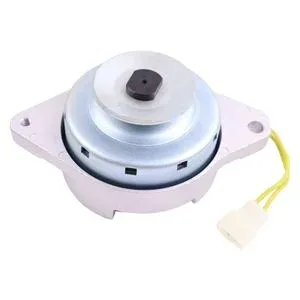
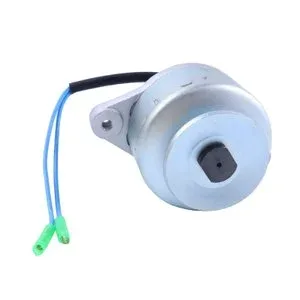
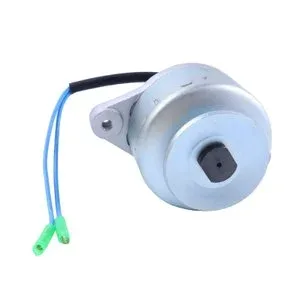
Cross-Reference Verified — Every AM877557 alternator we dispatch has been matched against superseded John Deere and Yanmar part numbers and terminal layout variants.
Technical Specifications
| Parameter |
Value |
| Part Number |
AM877557 |
| Product Type |
Alternator |
| Cross-Reference |
AM877557 (reference only), MIA10338 (reference only), SE501822 (reference only), SE501843 (reference only), AM879144 (reference only) |
| Machine Fitment |
Yanmar 3TNE68C, 3TNV70, FD620D, 3TNE84A, 3TNE74, 3TNM72, 3TNV76, 3TNV82A; John Deere 2210, 2305, 2320, 2520, 4010, 4100, 4110, 4115, 770, 790, 990, 1070, 445, F915, X495, 2500, 2500A, 2500E, 2550, 2750, 2243, 2653A, 2653B, 3225B, 415, 425, 322, 330, 332, 455, 48C, 54HC, 60HC, X465, X475, X485, X575, X585, X595, X700–X748; Kawasaki FD671D, FD671D-KS02, FD711D, FD750D, FD750D-JS12, FD750D-KS12, FH641D |
| Voltage |
12V DC |
| Current |
20A |
| Condition |
New Aftermarket |
| Insulation Class |
Class H (180°C) |
| Bearing Type |
Double-sealed deep-groove ball bearing |
| Housing Material |
Die-cast aluminum |
| Shaft Runout |
≤0.05 mm |
| Standards |
ISO 9001 |
| Warranty |
6-month warranty against manufacturing defects |
Application Suitability
| Engine System |
Related Components |
| Auxiliary charging circuit |
Starter motor, glow plug relay, battery cables |
| Engine electrical harness |
Wiring loom connectors, voltage regulator, ECU power feed |
| Belt drive system |
Alternator drive belt, tensioner pulley, crankshaft pulley |
| Instrumentation and monitoring |
Charge indicator lamp, voltmeter sender, dash warning module |
Why the Charging System Fails Again After an Engine Rebuild
A replacement 12V 20A alternator engine rebuild must correct the root electrical fault, not just swap the failed unit.
In engine rebuild shops across Southeast Asia, I have seen rebuilt Yanmar 3TNE74 engines returned to the bench within weeks because the alternator was replaced without addressing the wiring harness degradation or pulley misalignment that destroyed the original unit. When an alternator fails prematurely after overhaul, the new battery absorbs irregular voltage, ECU fault codes appear intermittently, and diagnostic time balloons. The cost is not the part itself but the second teardown [NEED_CITE: common causes of repeated alternator failure in small diesel engines].

The Alternator's Role Inside the Engine Auxiliary Electrical System
This alternator belongs to the engine auxiliary electrical subsystem, which also includes the starter motor, glow plug circuit, and sensor power feeds. During a full engine rebuild, the charging system must be evaluated as a complete loop. A 12V 20A alternator engine rebuild that ignores marginal battery cables or corroded harness connectors will deliver unstable voltage at idle, triggering ECU limp modes on electronically governed Yanmar and John Deere platforms.
Matching Electrical Components to Engine Serial Variants
John Deere 2210 and 2320 engines were produced across multiple serial ranges with different alternator mounting patterns and terminal configurations. Early production units may use a two-pin connector while later builds use a three-pin plug with a dedicated sense wire. I once shipped a standard unit to an Indonesian workshop servicing an early-batch Yanmar 3TNE74, and the terminal post offset prevented installation entirely. Since then, every 12V 20A alternator engine rebuild order I handle begins with engine serial verification and connector type confirmation before the unit leaves the warehouse [NEED_CITE: alternator terminal layout variations across Yanmar 3TNE engine serial ranges].
Reading the Specifications That Actually Matter
Class H insulation rated to 180°C matters because compact tractor engine bays routinely exceed 90°C ambient during sustained PTO operation, and insulation breakdown is the leading cause of alternator winding failure. The die-cast aluminum housing dissipates heat in line with the engine's own thermal profile, preventing hot spots that degrade bearing grease. Double-sealed deep-groove ball bearings handle the radial load imposed by belt tension while resisting contamination from dust in quarry and farm environments. Shaft runout held to 0.05 mm or less ensures the pulley tracks true, protecting both the alternator bearing and the drive belt from premature wear [NEED_CITE: thermal management requirements for alternators in mobile diesel equipment].
The Hidden Cost of Incorrect Grade or Variant Selection
When a rebuild shop installs an alternator with the wrong mounting footprint or terminal orientation, the immediate result is a unit that physically will not bolt on or wire up. But the less visible failure is an alternator that fits yet delivers marginal output at low RPM, slowly depleting the battery during idle-heavy work cycles. On engines with electronic governors, this voltage drift produces erratic fuel delivery symptoms that mechanics chase through the injection system, wasting diagnostic hours and delaying the machine's return to service [NEED_CITE: effects of under-voltage on electronically governed diesel engine performance].
Why Engine Rebuild Shops Source This Alternator Through One Account
We produce selected electrical component lines in our own facility and source the remainder from qualified ISO 9001-certified manufacturing partners, both covered under identical warranty terms. Eight product categories including engine parts, hydraulic components, and seal kits ship under a single account, so a complete overhaul order consolidates into one consignment. Minimum order starts at one piece, allowing emergency single-unit procurement without blocking a rebuild schedule. Our technical team verifies cross-reference numbers against superseded and alternate references before dispatch. Sample units are available for fitment confirmation before bulk commitment on fleet overhaul programs. Part identification is supported from part number, machine model, photograph, or nameplate image.
Documentation & Verification
- Commercial invoice listing AM877557 with cross-reference numbers marked as reference only
- Part compatibility sheet confirming engine serial range and terminal connector type
- Quality inspection record showing no-load voltage and full-load current test results
- Six-month warranty terms covering manufacturing defects in winding and bearing assembly
- Packing photographs documenting alternator condition and connector protection before crate closure
- HS code and customs documentation support for alternator export classification
Installation & Rebuild Sequence
- Inspect alternator mounting bracket and bolt holes for thread damage before mating to engine block
- Verify pulley alignment with crankshaft and tensioner pulleys using a straightedge across all three grooves
- Confirm wiring harness connector pin condition and match terminal layout against engine serial variant
- Torque alternator mounting bolts to engine manufacturer specification to prevent housing distortion
- Perform no-load voltage check at idle and loaded voltage check at rated RPM before closing engine covers
Request a System-Matched Quotation
Provide the engine model, serial number, and any previous rebuild history so we can confirm the correct alternator variant, terminal configuration, and matched starter motor if required. Include a photograph of the existing alternator label or connector when the data plate is unreadable. Our technical team will return a verified compatibility confirmation and system-level component list for the complete overhaul.
Frequently Asked Questions
Q: What other engine electrical components should be replaced during an alternator swap?
A: During an engine rebuild involving alternator replacement, we recommend evaluating the starter motor, glow plug relay, battery cables, and wiring harness connectors as a set. Corroded terminals or fatigued cables cause voltage drop that shortens alternator winding life. Ordering these as a matched electrical kit under one account consolidates dispatch and ensures component compatibility across the charging circuit.
Q: Does my engine serial variant use a different alternator mounting pattern?
A: Yes. Yanmar 3TNE74 and John Deere 2210 engines were built across multiple serial ranges with different mounting footprints and terminal connector types. Early and late production units may not share the same alternator configuration. Provide your engine serial number so we can verify the correct variant against our cross-reference database before dispatch.
Q: How do I confirm the correct pulley and belt match for this alternator?
A: Pulley groove count and pitch diameter must match the existing crankshaft and tensioner pulleys. Measure the belt width and groove profile on the current setup, or provide the engine model and serial number for our technical team to verify. Mismatched pulleys cause belt slip and premature bearing failure in the alternator.
Q: What charging system tests should follow installation after a rebuild?
A: After installation, check no-load voltage at idle, loaded voltage at rated RPM with electrical consumers active, and ripple voltage using an oscilloscope if available. Abnormal readings indicate wiring harness issues or regulator faults that must be resolved before the engine is returned to service. Document results for warranty reference.
Q: Can I order the alternator and starter motor as a matched set?
A: Yes. We supply alternator and starter motor combinations verified for the same engine serial range and electrical system specification. Ordering as a matched set eliminates compatibility risk between the two components and allows consolidated dispatch under one shipment, reducing freight cost and simplifying rebuild planning.