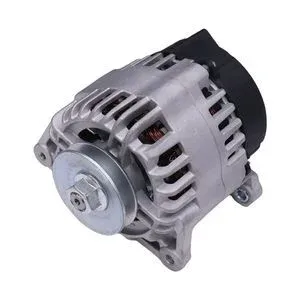
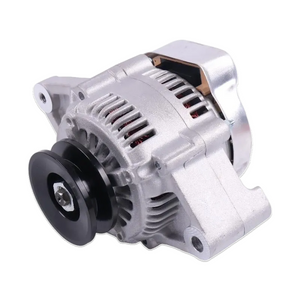
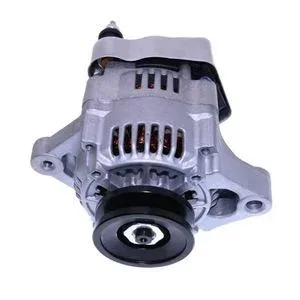
Engine Serial Variants Verified — we cross-check Yanmar 3TNE / 3TNV family build sheets before shipping this 12V 20A alternator to prevent pulley and connector mismatches.
Technical Specifications
| Parameter |
Value |
| Part Number |
AM877557 |
| Product Type |
Alternator |
| Cross-Reference |
AM877557, MIA10338, SE501822, SE501843, AM879144 (for identification purposes) |
| Machine Fitment |
1070, 2210, 2243, 2320, 2520, 4010, 4110, 4115, 445, 770, F915, X495, 780, 785, 3375, 375, 665, 2500, 2500A, 2500B, 2500E, 2550, 2750, 2653A, 2653B, 3225B, 670, 790, 870, 970, 990, 2305, 4100, 425, 322, 330, 332, 415, 455, 48C, 54HC, 60HC, X465, X475, X485, X575, X585, X595, X700, X710, X720, X724, X728, X729, X730, X734, X738, X739, X740, X744, X748 |
| Brand Compatibility |
Fits John Deere, Yanmar, Kawasaki equipment |
| Voltage |
12V |
| Current |
20A |
| Condition |
New Aftermarket |
| Warranty |
3–12 months against manufacturing defects |
| Standards |
ISO 9001 |
Application Suitability
| Engine System |
Related Components |
| Auxiliary charging circuit — Yanmar 3TNE74 / 3TNV family |
Drive belt, belt tensioner, battery terminals |
| Engine electrical harness — John Deere compact tractors |
Wiring harness connectors, voltage regulator |
| Charging system refresh — Kawasaki utility vehicles |
Pulley assembly, mounting bracket hardware |
| Overhaul auxiliary kit — mixed fleet depots |
Complete belt and tensioner set, cable lugs |
Why the Same Part Number Ships in Several Variants Across Yanmar Builds
Confirming the engine serial number resolves mounting, pulley, and connector differences that the machine model alone cannot.
Working across Indonesian and Philippine job sites, I have watched crews unbox a replacement alternator only to find the connector sits at the wrong clock position or the pulley groove count does not match the existing belt. The machine plate reads 2320, but the Yanmar engine underneath could be an early 3TNE74 or a later 3TNV variant, each demanding a different harness plug and sometimes a different mounting ear spacing. Sending a unit based solely on the machine model is a coin flip. [NEED_CITE: Yanmar 3TN engine family variant identification practices]
An alternator engine rebuild replacement decision must account for these serial-level differences before the old unit leaves the bench.
The Charging System Is More Than the Alternator Alone
Replacing the alternator without inspecting the belt drive and wiring harness invites a repeat visit to the same engine bay. A glazed or cracked belt slips under load, dropping output voltage below the threshold the engine control module expects, which triggers the same fault code that condemned the original unit. This alternator engine rebuild replacement should therefore sit inside a broader auxiliary-system check that covers belt condition, tensioner spring force, and terminal corrosion at the harness plug.
Engine Serial Variants and What They Change
Within the Yanmar 3TNE and 3TNV families, production revisions altered the connector pin count and the pulley configuration on otherwise identical blocks. An early-build 3TNE74 may carry a two-pin regulator plug while a later serial run switched to a three-pin harness. The mounting bolt pattern stayed consistent, but the clock position of the output terminal rotated slightly, making the original cable reach marginal. Verifying the engine serial plate — not just the equipment model — removes this guesswork before the new unit is committed to the engine. [NEED_CITE: engine serial variant effects on auxiliary component fitment]
Reading the Specification Sheet for Field Decisions
The 12V 20A rating places this unit in the compact auxiliary alternator bracket, sufficient to maintain battery charge and supply engine electronics on machines without heavy electrical loads. At low idle RPM, output must still hold above 13.5V to keep the engine control module from flagging an under-voltage condition. The 20A ceiling means the charging circuit is designed for machines where lighting, displays, and sensors draw modest current; adding aftermarket work lamps or heated cab accessories can push demand past this threshold and shorten component life. The ISO 9001 production standard covers dimensional checks on pulley alignment and terminal torque, which directly affect belt tracking and connection reliability in high-vibration diesel environments.

What a Mismatched Variant Costs on the Bench
Shipping the wrong connector variant means the engine harness must be modified or an adapter fabricated — both introduce resistance points that degrade charging performance and create future failure sources. A pulley groove mismatch forces re-use of the old pulley, which may already carry wear that accelerates the new belt. These small compromises compound: the machine leaves the workshop, runs for a week, then returns with the same low-voltage fault. [NEED_CITE: electrical connector resistance effects on alternator output in mobile diesel applications]
Why Source This Alternator Here
Self-produced and qualified-sourced lines carry identical QC and warranty terms, so this alternator ships with the same inspection discipline regardless of origin. Eight product categories under one account let you add the matching belt, tensioner, and seal kit to the same consignment instead of opening separate purchase orders. Minimum order is one piece — an emergency single-unit replacement does not require a bulk commitment. Part identification works from the engine serial plate photograph when the original label is illegible. Cross-reference verification covers AM877557, MIA10338, SE501822, SE501843, and AM879144, including superseded numbers that other suppliers may have dropped from their tables. A sample unit can ship for fitment confirmation before you commit to fleet quantities.
Documentation & Verification
- Commercial invoice listing engine serial variant and confirmed connector type
- Cross-reference sheet mapping AM877557 to alternate numbers (reference only)
- Pre-shipment load test record showing voltage regulation at rated RPM
- Warranty terms covering manufacturing defects with technical fitment support
- Packing photographs documenting terminal and pulley condition before crating
- HS code and customs paperwork aligned to destination country requirements
Installation & Rebuild Sequence
- Inspect belt drive groove wear and tensioner spring force before mounting the new unit
- Verify harness connector pin count and clock position against the engine serial plate
- Torque mounting bolts to engine manufacturer specification using a calibrated wrench
- Check output voltage at idle and at rated RPM with a multimeter before closing the hood
- Run the engine under electrical load for a break-in period to seat the brushes
- Record initial charging readings in the machine service log for future trend comparison
Requesting a Fitment-Confirmed Quote
Provide the engine model, serial number, and a photograph of the existing unit's connector and pulley. If the engine plate is missing, a shot of the machine data tag and the old unit's casting marks lets our technical team narrow the variant. Include any previous rebuild history so we can flag whether pulley or bracket modifications were made.
Frequently Asked Questions
Q: What else should be replaced when the alternator fails on a Yanmar engine?
A: The drive belt and tensioner should be evaluated together with the alternator. A worn belt causes slip that mimics alternator failure, and a weak tensioner allows the new unit to underperform from day one. Battery terminal condition and harness connector integrity should also be confirmed during the same service event to prevent a repeat fault code.
Q: Do different engine serial numbers within the same model family use the same alternator?
A: Not always. Within Yanmar 3TNE and 3TNV families, connector pin count, pulley groove count, and terminal clock position can change across serial breaks. Confirming the engine plate serial number — not only the machine model — is the reliable way to identify the correct variant before ordering.
Q: How do I confirm the correct connector type and pulley configuration for my engine build?
A: Photograph the existing connector and pulley alongside the engine serial plate. Our technical team compares these against variant build records to confirm pin count and groove specification. When the original unit is already removed, casting marks and mounting ear spacing provide secondary identification references.
Q: Can the alternator, belt, and tensioner ship as one matched set?
A: Yes. All three components can be grouped under a single order and dispatched from the same warehouse as one consignment. This eliminates split shipments and ensures compatibility across the auxiliary charging system, which is critical when scheduling engine bay service on a tight timeline.
Q: What testing is done before shipment to verify charging-system performance?
A: Each unit undergoes a bench load test confirming regulated voltage output at both idle and rated RPM thresholds. Terminal torque, pulley runout, and connector pin integrity are verified. The test record ships with the unit so the receiving workshop has a baseline for post-installation comparison.