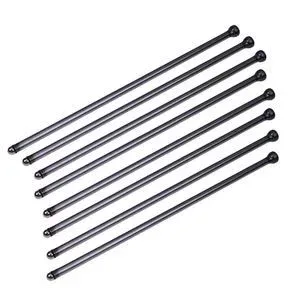
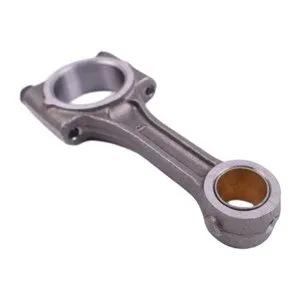
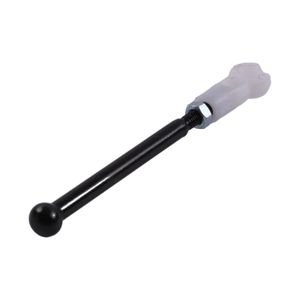
Matched Sets Shipped — 8-piece push rod kit verified against CAT 3034, 3024C, and C2.2 engine serial variants before dispatch.
Technical Specifications
| Parameter |
Value |
| Part Number |
154-1248 |
| Cross-Reference |
1541248, CA1541248 (reference only) |
| Product Type |
Push Rod |
| Machine Fitment |
3034, 3024C, C2.2, 3024, C1.1, 239D, 249D, 216, 226, 228, 232, 242, 216B, 226B, 232B, 242B, 216B2, 216B3, 226B2, 226B3, 232B2, 232D, 232D3, 242B2, 247B, 257B, 247B2, 247B3, 257B2, 304.5, 902, AP255E, C2.2 DE18E3/DE22E2, DE18E3/DE22E3, DE9.5E3, CB-334E, CB-334E XW, CB-335E, CB34, CB34XW, CC34, CB34B, CB34B XW, CB36B, CC34B |
| Condition |
New Aftermarket |
| Quantity |
8Pcs |
| Material |
High-grade steel |
| Surface Treatment |
Corrosion-resistant treatment |
| Warranty |
3–12 months against manufacturing defects |
| Manufacturing Standard |
ISO-certified manufacturing |
Application Suitability
| Engine System |
Related Components |
| Valve Train Actuation |
Rocker arms, valve springs, collets |
| Camshaft Interface |
Tappets, cam lobe bearings |
| Cylinder Head Assembly |
Valve stem seals, head gasket set |
| Lower Block Rotating Assembly |
Pistons, connecting rods, crankshaft bearings |
Why Bent Push Rods Return After a Fresh Rebuild
Replacing the rod without tracing the tappet or cam lobe fault invites a repeat teardown.
In my years rebuilding compact diesel blocks across the Yangtze delta workshops, I have seen Push Rod engine rebuild jobs fail within weeks because the root cause lived downstream in the valve train. A slightly worn tappet face or a cam lobe with marginal scoring transfers uneven load into the new rod, bending it under normal operating RPM. Sourcing a matched 8-piece set solves the uniformity problem but does nothing for the worn mating surface that caused the first failure [NEED_CITE: valve train failure root cause analysis diesel engines].

Valve Train System Context for the 154-1248 Push Rod
This component sits between the camshaft tappet and the rocker arm, translating rotational cam lobe movement into linear valve actuation. When planning a Push Rod engine rebuild, treat the rod, tappet, and rocker arm as a friction-coupled trio rather than isolated parts. Wear on any one surface accelerates degradation across the other two.
Engine Serial Variants Within the C2.2 and 3024C Family
Even within the same base engine designation, internal casting revisions can alter tappet bore depth or rocker arm geometry. Confirming the full serial string ensures the 154-1248 replacement matches the specific cylinder head variant. A block that went through a factory mid-production update may require different end-ball geometry than an earlier build [NEED_CITE: engine serial variant identification compact diesel platforms].
Material Grade and Straightness Under Thermal Cycling
The high-grade steel construction with corrosion-resistant treatment maintains column strength through repeated heat cycles typical in skid steer and mini excavator duty. Straightness tolerance matters because even minor deviation concentrates stress at the rocker cup interface. Uniform length across all eight rods keeps valve opening events synchronized, preventing the uneven cylinder breathing that causes rough idle after reassembly.
The Hidden Cost of Mixing Oversize Components with Standard Rods
A previous rebuild that installed oversize pistons or reground cam bearings may have altered deck height or camshaft position by fractions of a millimeter. If the shop did not re-verify push rod length against the modified geometry, the valve train operates under preload it was never designed for. This mismatch shows up as premature cup wear or rocker shaft galling rather than immediate rod failure, making diagnosis difficult and leading to unnecessary repeat teardowns [NEED_CITE: oversize component stacking effects on valve train geometry].
Why Procure the Complete Valve Train Set Here
Our Guangzhou facility produces selected engine lines in-house and sources the remainder through ISO-certified partners, all under a single warranty account. The technical team cross-references your engine serial number against build sheets, not just generic machine model lists, catching variant differences before parts ship. Matched 8-piece sets go through straightness and load-bearing verification so all rods in your kit arrive within the same tolerance band. We supply from single emergency pieces up to fleet overhaul quantities without minimum order friction.
Documentation & Verification
- Commercial invoice listing 154-1248 with engine serial variant noted
- Cross-reference sheet mapping 1541248 and CA1541248 for identification purposes
- Dimensional inspection record showing straightness and end-ball geometry check
- Warranty terms covering manufacturing defects for 3 to 12 months
- Packing photographs documenting kit completeness before crate closure
- HS code and customs classification support for international engine parts shipments
Installation & Rebuild Sequence
- Verify each rod length against the others before installation to catch any transit damage
- Inspect tappet faces and cam lobes for scoring that would transfer abnormal load into the new set
- Confirm rocker arm cup geometry matches the push rod end-ball radius on your specific head casting
- Set valve clearances to engine build sheet specifications, not generic service manual defaults
- Run initial break-in at moderate load to seat the rod ends against mating surfaces evenly
Inquiry Guidance for Engine Rebuild Shops
Provide the complete engine serial number, any known rebuild history including oversize component installations, and the machine model for cross-verification. This allows us to confirm whether your specific C2.2 or 3034 build uses the standard 154-1248 length or requires a variant. Photos of the existing rods and adjacent tappets help identify wear patterns that should be addressed during reassembly.
Frequently Asked Questions
Q: What else should I inspect when push rods fail?
A: Check the tappet face for flat spots or pitting, and run a fingernail across each cam lobe to detect scoring. Worn rocker arm cups also concentrate load unevenly. Addressing only the bent rod while leaving a damaged tappet in place typically leads to repeat failure within the first few hundred operating hours.
Q: Do different serial ranges of the same C2.2 engine use different push rods?
A: Yes, mid-production casting revisions can alter tappet bore depth or head geometry, changing the required rod length. Always provide the full engine serial number rather than just the base model designation so we can verify against the correct build variant.
Q: Can I replace just one push rod or should I change all eight?
A: Replacing the full matched set ensures uniform length and load distribution across all cylinders. A single new rod alongside seven fatigued originals creates uneven valve timing events and concentrates stress on the fresh component, accelerating its failure.
Q: My previous rebuild used oversize components — does that affect push rod fitment?
A: Oversize pistons or reground cam bearings can subtly shift deck height or camshaft position, altering the effective geometry the push rod must bridge. Mention any prior machining work when inquiring so we can verify whether standard length remains correct for your modified build.
Q: How do I confirm the exact engine variant from the nameplate?
A: The nameplate typically shows base model and serial number, but serial ranges determine internal configuration. Photograph the full plate and any secondary stampings on the block — these details let us cross-reference against build sheets to identify the precise variant.