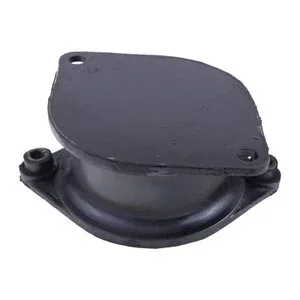
Engine Serial Variants Confirmed — Every cushion damper 358172 (cross-reference only) is checked against the compactor engine serial to match the correct mounting plate variant before dispatch.
Technical Specifications
| Parameter |
Value |
| Part Number |
358172 |
| Product Type |
Cushion Damper |
| Cross-Reference |
358172 (reference only), 4700358172 (reference only) |
| Machine Fitment |
CA51, CA510, CA512, CA600, CA602, CA610, CA612, CA702, SCA512, SCA610 |
| Material |
Natural rubber compound with embedded steel mounting plate |
| Hardness |
Shore A 60±3 |
| Surface Treatment (Mounting Plate) |
Zinc-coated (≥12 μm) |
| Radial Symmetry Tolerance |
±0.2 mm |
| Bond Strength (Rubber-to-Metal) |
>10 N/mm² per ISO 37 |
| Condition |
New Aftermarket |
| Warranty |
6 months against manufacturing defects |
| MOQ |
1 piece |
| Standards |
ISO 9001, ISO 22865, ISO 37, ASTM D698, EN 13286-2 |
Application Suitability
| Engine System |
Related Components |
| Engine auxiliary vibration isolation |
Mounting bolts, adjacent damping pads, chassis bracket hardware |
| Engine-to-chassis vibration transfer path |
Engine mounts, isolator bushings, auxiliary bracket fasteners |
| Drum assembly vibration damping chain |
Drum bearings, eccentric shaft seals, drive belt tensioners |
| Compactor frame isolation system |
Frame dampers, cab mounts, steering pivot bushings |
Why the Same Damper Number Fails on Different CA-Series Builds
The root cause sits in the engine serial variant, not the damper itself. Across Dynapac CA-series compactors from CA51 through CA702, the base cushion damper 358172 (cross-reference only) appears in parts manuals for multiple machine generations. Yet the mounting plate configuration and rubber durometer specification shift across engine serial ranges. Ordering by part number alone without confirming the engine build generation leads to a cushion damper engine auxiliary rebuild that either does not seat flush against the bracket or delivers the wrong damping characteristic for that specific engine vibration profile.
On sites in Riyadh and Dubai, I have walked up to CA512 compactors where a fresh damper cracked within weeks of installation. The machine had been through a previous engine rebuild, and the replacement engine carried a different serial range than the original — meaning the cushion damper specified for the current engine build was not the same variant as the one listed for the machine chassis. [NEED_CITE: engine serial variant identification procedures for compactor auxiliary systems]. The result is a cushion damper engine auxiliary rebuild that fails not because the part is defective, but because it was never the right variant for that engine generation.

The Auxiliary System Context for This Damper
This cushion damper operates within the engine auxiliary system of Dynapac compactors, positioned between the engine assembly and the machine chassis to absorb high-frequency vibration generated during compaction cycles. A cushion damper engine auxiliary rebuild should never be treated as an isolated part swap. The adjacent engine mounts, bracket fasteners, and surrounding isolator bushings all share the same vibration load path. When one damper fails prematurely, the neighboring components have typically absorbed excess stress and may be approaching their own failure threshold.
Engine Serial Variants and Matched Tolerances
Dynapac CA-series compactors carry different engine builds across production generations, and the same base damper number can appear with variant differences in mounting plate hole pattern, steel plate thickness, or rubber compound hardness. The alternative reference 4700358172 (cross-reference only) sometimes appears in later serial ranges. Before confirming an order, the engine serial number must be verified against the machine data plate — not just the chassis model. On SCA512 and SCA610 machines, the engine auxiliary layout differs from standard CA-series configurations, and the cushion damper mounting orientation may rotate the bolt pattern relative to the bracket. [NEED_CITE: compactor engine auxiliary mounting configuration differences across serial ranges]. Matching the correct variant ensures the rubber-to-metal bond strength and Shore A hardness align with the vibration frequency profile of that specific engine build.
What the Specifications Mean in Practice
The natural rubber compound at Shore A 60±3 is selected to match the vibration frequency range typical of diesel engines in the CA-series power band — too soft and the damper bottoms out under dynamic load, too hard and it transmits vibration rather than isolating it. The embedded steel mounting plate with zinc coating at ≥12 μm resists corrosion from the moisture and fine aggregate dust that accumulate around the engine bay on compaction sites. Radial symmetry tolerance of ±0.2 mm ensures the damper seats evenly across all mounting bolts, preventing point loading that accelerates rubber fatigue at the bond line. Bond strength above 10 N/mm² per ISO 37 means the rubber-to-metal interface survives the shear cycles generated during vibratory compaction without delaminating from the steel plate. [NEED_CITE: ISO 37 rubber-to-metal bond test methodology for vibration isolators].
What Premature Cracking Actually Tells You
When a cushion damper fails within weeks of installation, the diagnosis rarely points to the damper alone. Misalignment in the adjacent drum assembly or degraded mounting hardware shifts the vibration load off-axis, concentrating stress on one side of the rubber element. Replacing the damper without inspecting the full auxiliary system — bracket flatness, bolt torque condition, adjacent isolator state — sets up the new part for the same early failure. On a quarry project outside Dubai, I inspected a CA602 that had gone through three damper replacements in one season. The chassis bracket had warped slightly from an earlier impact event, and every new damper was being loaded asymmetrically until the bracket was corrected. [NEED_CITE: vibration isolator premature failure root cause analysis in compaction equipment].
Why Source This Component Through a System-Level Supplier
The cushion damper ships alongside matched auxiliary components — adjacent isolators, mounting fasteners, and bracket hardware — under one account with one warranty, eliminating the mismatched lead times that come from splitting an overhaul across several suppliers. Part identification starts from the machine model, engine serial, or a photograph of the existing damper when the number plate is worn or painted over. Cross-reference verification covers both 358172 and 4700358172 (reference only) against superseded and alternate numbers to catch variant differences before the order ships. Samples are available for fitment confirmation on the machine before committing to a full auxiliary rebuild kit. The technical team confirms compatibility and grade against the engine serial, not just the machine chassis model.
Documentation & Verification
- Commercial invoice and packing list referencing cushion damper variant and engine serial confirmation
- Part compatibility sheet listing verified cross-reference numbers marked as reference only
- Quality inspection record covering Shore A hardness, bond strength, and dimensional checks
- Warranty terms covering manufacturing defects with defective-unit replacement policy
- Packing photographs showing mounting plate condition and rubber surface before crate closure
- HS code and customs documentation support for international compactor parts shipments
Installation & Rebuild Sequence
- Clean the chassis bracket mounting surface to verify flatness before seating the new cushion damper
- Confirm bolt hole alignment matches the engine serial variant — do not force the plate if holes offset
- Torque mounting bolts to the specification for the CA-series engine auxiliary bracket, checking adjacent isolators simultaneously
- Inspect the rubber-to-metal bond line visually for any transit damage before the engine weight is applied
- Run the engine at idle and observe damper compression symmetry — uneven settling indicates a bracket or alignment issue to address
Requesting the Right Variant for Your Engine
Provide the Dynapac machine model, engine serial number from the engine data plate, and any previous rebuild history for the auxiliary system. If the damper number plate is unreadable, a photograph of the existing unit including the mounting plate hole pattern allows cross-reference verification. For fleet-level auxiliary rebuilds across multiple CA-series machines, share the engine serial list so variant compatibility is confirmed for each unit before the order consolidates.
Frequently Asked Questions
Q: What other auxiliary components should I replace alongside the cushion damper?
A: During a cushion damper engine auxiliary rebuild, inspect and typically replace the adjacent engine mounts, bracket fasteners, and any isolator bushings sharing the vibration load path. Worn neighboring components shift load onto the new damper, causing premature failure. Supplying matched auxiliary sets ensures all damping elements are within tolerance together.
Q: My CA-series compactor was rebuilt before — how do I confirm the correct damper variant?
A: Provide the engine serial number from the engine data plate, not just the machine chassis model. Previous rebuilds may have swapped in an engine from a different serial range with a different mounting plate configuration. Cross-reference verification against both 358172 and 4700358172 (reference only) confirms which variant matches your current engine build.
Q: Is the mounting plate identical across all CA51 through CA702 models?
A: No. The mounting plate hole pattern and steel plate thickness can vary across engine generations within the CA-series. SCA512 and SCA610 machines also have different auxiliary layouts. Confirming the engine serial and machine model together ensures the correct plate configuration ships with your cushion damper engine auxiliary rebuild order.
Q: What caused my last damper to crack so quickly?
A: Premature damper cracking often traces to misalignment in the adjacent drum assembly, a warped chassis bracket, or degraded mounting hardware that shifts vibration load off-axis. Replacing the damper without inspecting the full auxiliary system leads to repeat failure. A system-level diagnosis identifies the root cause beyond the failed part itself.
Q: Can I order a sample to verify fitment before a full rebuild kit?
A: Yes. A sample cushion damper is available for fitment confirmation on your machine before committing to a full auxiliary system rebuild kit. This is especially valuable when the engine has been rebuilt previously and the correct variant needs physical verification against the existing bracket and mounting pattern.