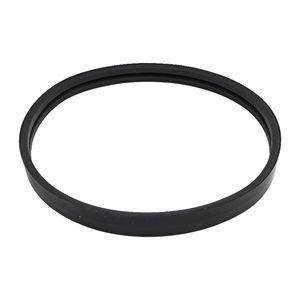
Matched Set Dispatch — Every belt tensioner pulley assembly ships with a verified compatibility sheet listing matched belts and idler components for your specific engine serial variant.
Technical Specifications
| Parameter |
Value |
| Part Number |
6735884 |
| Cross-Reference |
6711698 (reference only) |
| Machine Fitment |
T140, T180, T190, T550, T590 |
| Hub Material |
Forged carbon steel (AISI 1045) |
| Bearing Type |
Sealed double-row angular contact ball bearings (6203-2RS) |
| Surface Treatment |
Induction hardening, HRC 58–62 |
| Dimensional Tolerance |
±0.05 mm |
| Assembly State |
Pulley assembly |
| Condition |
New Aftermarket |
| Certification |
ISO 9001 |
| Warranty |
3–12 months against manufacturing defects |
| MOQ |
1 piece |
Application Suitability
| Engine System |
Related Components |
| Cooling fan drive |
Drive belt, fan pulley, mounting bracket |
| Hydraulic pump drive |
Idler pulley, belt guard hardware |
| Alternator belt routing |
Tensioner arm pivot bushing, fasteners |
| Complete top-end overhaul |
Full belt drive kit, seals, gaskets |
Why the Belt Drive System Fails Again After a Single-Part Swap
A belt tensioner pulley assembly replaced in isolation often masks the misalignment or bearing wear that caused the original failure in the first place.
When the warehouse team in Guangzhou was sorting these assemblies for a batch of T140 rebuilds, a returned unit came back within weeks — the tensioner was fine, but the pulley shaft it rode on had worn beyond tolerance, creating wobble that destroyed the new bearing. That pattern repeats across compact track loaders working in grading and trenching where dust and shock loads accelerate every pivot point in the drive path. [NEED_CITE: belt drive system failure root cause analysis for compact loaders] Rebuild shops that inspect only the failed component miss the cascading wear in adjacent pulleys and the tensioner arm pivot, scheduling a second teardown that the machine owner never budgeted for.

System-Level Thinking for Belt Drive Repairs
This belt tensioner pulley assembly operates within a network that includes the drive belt, idler pulleys, fan pulley, and the tensioner arm itself. Mismatched wear across any of these components shifts load distribution and accelerates repeat failure. Supplying the tensioner as part of a matched engine-system kit ensures tolerances align across the entire belt path, addressing the root cause rather than the symptom.
Engine Serial Variants and Fitment Accuracy
Bobcat T140 through T590 loaders span multiple engine generations, and belt routing geometry can differ between serial ranges even when the base part number appears identical. Confirming the engine serial number before ordering prevents receiving a tensioner arm with the wrong pivot angle or pulley offset. The superseded reference 6711698 (cross-reference only) applies to earlier builds — verifying which number your specific engine requires eliminates trial fitment on the shop floor. [NEED_CITE: engine serial variant identification for compact track loader belt systems]
How Material and Bearing Specs Translate to Field Performance
The AISI 1045 forged carbon steel hub provides the structural baseline for handling cyclic loads from belt tension and fan start-up torque. Induction hardening to HRC 58–62 on the pulley groove surface resists the abrasive wear that belt dust and particulate ingress produce over hundreds of operating hours. The sealed double-row angular contact ball bearings (6203-2RS) manage both radial belt load and axial thrust from slight misalignment, and the double seal keeps contaminant-laden air from degrading the grease pack. Dimensional tolerance held to ±0.05 mm ensures the pulley runs true without inducing harmonic vibration that transfers to the mounting bracket.
The Hidden Cost of Skipping the Root-Cause Check
Installing a new tensioner without measuring the idler pulley runout or checking the tensioner arm pivot for play leads to premature belt wear and a return visit to the teardown bench. Shops that document every component in the belt drive loop during disassembly catch worn pivot bushings and fatigued brackets before reassembly. Those that swap only the tensioner absorb the cost of a second labor cycle and the reputational hit with the equipment owner. [NEED_CITE: repeat failure patterns in mobile equipment belt drive overhaul]
What Distinguishes This Supply Channel
Self-produced lines and qualified sourced supply carry identical warranty terms under one account, so a belt drive kit arrives with consistent quality documentation. Eight product categories mean the belts, idler pulleys, seals, and fasteners for a complete job consolidate into a single consignment rather than arriving from separate vendors on mismatched timelines. Minimum order starts at one piece for emergency rebuilds, while fleet operators stocking multiple T180 and T190 units can order in bulk. Guangzhou warehouse stock enables fast dispatch on common configurations, and the technical team confirms engine serial compatibility and matched component lists before the order ships. Cross-reference verification covers superseded numbers like 6711698 (reference only), catching fitment conflicts before the parts leave the warehouse.
Documentation & Verification
- Commercial invoice and packing list referencing engine serial and matched kit contents
- Part compatibility sheet listing tensioner, belt, and idler cross-references (reference only)
- Quality inspection record covering bearing runout, rotational balance, and pivot smoothness
- Warranty terms specifying coverage period and manufacturing defect scope
- Packing photographs showing assembly condition and protective wrapping before crate closure
- HS code and customs documentation support for international belt drive component shipments
Installation & Rebuild Sequence
- Verify tensioner arm pivot bore is within tolerance before pressing in the new assembly
- Match belt cross-section to pulley groove profile to prevent slippage and heat damage
- Torque mounting fasteners to specification to avoid bracket distortion under load
- Route belt per engine serial-specific diagram, confirming idler alignment before tensioning
- Run engine at idle for initial break-in, then re-check belt tracking and tensioner position
Requesting a Matched Kit Quote
Provide your engine model, serial number, and any prior rebuild history so the technical team can confirm which tensioner variant fits your specific build. Include the machine model and whether you need only the tensioner assembly or a complete belt drive kit with matched belts and idler pulleys. This information enables a compatibility-verified quote that arrives ready for your overhaul planning.
Frequently Asked Questions
Q: Should I replace the drive belt and idler pulley at the same time as the tensioner?
A: Yes. Belt and idler pulley wear patterns transfer load unevenly to a new tensioner, causing premature bearing failure. Replacing all three components together during an engine system overhaul ensures matched tolerances across the drive path and eliminates the root cause that destroyed the original tensioner.
Q: How do I confirm which tensioner variant fits my engine serial number?
A: Provide the full engine serial number from the dataplate or service record. Belt routing geometry and tensioner arm pivot angle vary across Bobcat T140 through T590 engine generations, and serial confirmation ensures the correct variant ships rather than relying on base part number alone.
Q: What is the difference between reference 6735884 and 6711698?
A: Reference 6711698 (cross-reference only) is a superseded number from earlier engine builds. The active number 6735884 applies to later serial ranges. Our technical team verifies which number your specific engine requires before shipping to prevent fitment errors on the rebuild bench.
Q: Can you supply a complete belt drive kit including belts, tensioner, and pulleys?
A: Yes. We consolidate the tensioner assembly, matched drive belts, idler pulleys, and associated seals into one kit verified against your engine serial number. This eliminates split shipments and ensures all belt drive components arrive with aligned tolerances for a single overhaul session.
Q: How do I identify the root cause if my previous tensioner failed prematurely?
A: Inspect the tensioner arm pivot bore for wear, measure idler pulley runout, and check the mounting bracket for fatigue cracks or distortion. Premature tensioner failure often traces to misalignment or worn adjacent components rather than the tensioner itself, and documenting these measurements guides the correct repair scope.