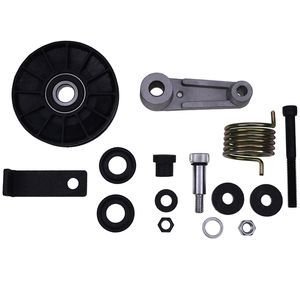
System-Matched Set Shipped — Aramid-reinforced belt with matched tension specs verified against Sportster and Buell engine serial variants before dispatch.
Technical Specifications
| Parameter |
Value |
| Part Number |
40022-91 |
| Product Type |
Belt |
| Cross-Reference |
40022-91, 4002291, 1204-0042, 12040042, 58-420, 58420 (reference only) |
| Machine Fitment |
Harley Davidson Sportster 883 XLH (1991–2003), Sportster 1200 XLH (1991–2003), 1200 Custom XLC (1996–2003), 1200 Sport XLS (1996–2003), 883 Custom XLC (1999–2003), 883 Deluxe XLH (1991–1995), 883 Hugger XLH (1991–2003), 883 Roadster XLR (2002–2003), Buell M2 Cyclone (1997–2002), XB9R Firebolt (2002), X1 Lightning (1999–2002), S1 Lightning (1996–1998), S2 Thunderbolt (1994–1995), S2T Thunderbolt (1995–1996), S3 Thunderbolt (1997–2001), S3T Thunderbolt (1997–2002), X1W White Lightning (2002) |
| Material |
Aramid-reinforced rubber compound |
| Temperature Range |
Up to 120°C |
| Dimensional Tolerance |
±0.3 mm (length and width) |
| Condition |
New Aftermarket |
| Warranty |
3–12 months against manufacturing defects |
| MOQ |
1 piece |
| Standards |
ISO 9001 |
Application Suitability
| Engine System |
Related Components |
| Primary Drivetrain |
Front and rear pulleys, tensioner hardware, primary chaincase seals |
| Final Drive |
Drive belt guards, pulley mounting bolts, alignment spacers |
| Scheduled Overhaul |
Primary gasket set, transmission fluid, compensator sprocket |
Drivetrain Rebuilds That Stall From Missing Adjacent Parts
A belt drive overhaul frequently stalls not because the Drive Belt 40022-91 engine replacement is wrong, but because the matching pulley hardware, tensioner brackets, or primary chaincase seals arrive late from a separate supplier. The engine sits partially assembled while a secondary order crosses the country.
In the Yangtze Delta motorcycle repair network, it is common to see a teardown halted for several days over a single missing spacer or a seal that was not on the original quote. When the same base part number covers multiple model years and engine displacements, a belt intended for an 883 Hugger XLH might not seat correctly on a worn pulley from a previous 1200 Custom XLC rebuild if the oversize grade was never checked. [NEED_CITE: belt drive system variant differences across Sportster engine generations]
Confirm the engine serial number, previous rebuild history, and pulley wear condition before finalizing the parts list.

Where This Belt Sits in the Primary Power Transmission System
This Drive Belt 40022-91 engine replacement belongs to the final drive section of the powertrain, transferring torque from the transmission output shaft to the rear wheel. In a complete drivetrain overhaul, this component is typically replaced alongside the front pulley, rear pulley, and primary chaincase gasket set. Replacing the belt alone while retaining worn pulleys often leads to premature tooth shear and tracking issues within the first few hundred kilometers.
Engine Serial Variants and Rebuild History Matter
The Sportster and Buell platforms covered by this part number span over a decade of production, during which pulley tooth profiles, belt widths, and tension specifications shifted across model years. An engine that has been through a previous rebuild may have non-standard pulleys installed, requiring a different belt variant or matched pulley replacement. We verify the specific engine serial range and cross-reference OEM numbers (40022-91, 1204-0042, 58-420 — all for identification purposes) against the service manual to confirm the correct variant. [NEED_CITE: Sportster drivetrain service manual cross-reference tables]
Material and Tolerance Details That Affect Fitment
The aramid-reinforced rubber compound resists elongation under sustained load, which is the primary failure mode for belts operating in stop-start urban environments. The dimensional tolerance of ±0.3 mm across length and width ensures the belt seats correctly on stock pulleys without requiring re-adjustment of the rear axle position. Operating temperature resistance up to 120°C addresses thermal cycling in enclosed chaincases where airflow is limited. The tooth profile matches the OEM pitch and depth specifications for precise meshing, preventing timing misalignment that causes vibration at highway speeds.
The Cost of Skipping the Root Cause Check
When a belt fails prematurely, the instinct is to replace it with the same part number and move on. But if the failure was caused by pulley misalignment, a worn tensioner, or contamination from a leaking primary seal, the new belt will suffer the same fate within a fraction of the expected service interval. In fleet maintenance operations, this pattern of repeat failures generates cumulative downtime that far exceeds the cost of a full system inspection. [NEED_CITE: motorcycle drivetrain failure root cause analysis methodology]
We have seen belts returned as defective when the actual issue was a rear pulley with uneven wear from a previous crash repair. The time spent on a second teardown and warranty claim could have been avoided with a straightforward pulley runout check before installation.
Why Source This Belt Through Our System
Our own production lines and qualified sourced supply carry the same quality control and warranty terms, so whether this belt ships from our Guangzhou facility or a partner plant, the inspection standard is identical. Eight product categories mean the pulleys, seals, gaskets, and tensioner hardware for the same job can ship under one account and one warranty. The minimum order is one piece, so a single emergency replacement does not require padding an order to meet a threshold. Our technical team verifies fitment from engine model, serial number, or a photograph of the existing belt label when the printed numbers are worn away. Cross-reference verification covers superseded and alternate numbers across the Sportster and Buell range. Sample supply is available for physical fitment confirmation before a workshop commits to a bulk inventory order.
Documentation & Verification
- Commercial invoice and packing list referencing engine model and belt part number
- Compatibility and cross-reference sheet for 40022-91 variants (reference only)
- Quality inspection record with static tension and dynamic flex test results
- Warranty terms covering manufacturing defects for 3–12 months
- Packing photographs showing belt coil protection and labeling
- HS code and customs documentation support for international shipment
Installation & Rebuild Sequence
- Inspect front and rear pulleys for tooth wear and runout before installing the new belt
- Verify belt tension using the deflection method specified in the engine service manual
- Align the rear wheel axle to ensure the belt tracks centrally on both pulleys
- Run the engine at idle and check for lateral belt movement or abnormal noise
- Re-check tension after the initial heat cycle as the belt seats into the pulleys
Requesting a Fitment-Verified Quote
Send the engine model, year, and VIN or engine serial number so we can confirm the correct belt variant and any associated pulley or seal requirements. If the existing belt label is unreadable, a photograph of the pulley tooth profile and any casting numbers on the pulley hub allows us to cross-reference the correct part. For workshops planning inventory, specify the range of Sportster and Buell models you service most frequently so we can suggest a stocking list that covers the highest-demand variants.
Frequently Asked Questions
Q: What other components should be replaced together with the drive belt during a belt drive system overhaul?
A: A complete overhaul typically includes the front and rear pulleys, primary chaincase gasket set, tensioner hardware, and compensator sprocket if wear is evident. Replacing the belt alone on worn pulleys leads to early tooth shear. We supply all adjacent components under one order to prevent split shipments.
Q: How do I confirm this belt fits my specific engine year and model variant?
A: Provide the engine serial number or VIN, and we cross-reference against the service manual to verify the correct belt variant. The same OEM reference number may cover different widths or tooth profiles across model years. A photograph of the existing belt or pulley casting number helps when printed labels are worn.
Q: Does a previous pulley replacement or engine rebuild affect which belt variant I need?
A: Yes. A previous rebuild may have introduced non-standard or oversize pulleys that require a different belt specification. We check the engine's service history and measure the existing pulley dimensions when possible to ensure the replacement belt matches the current drivetrain configuration, not just the original factory specification.
Q: What causes premature belt failure beyond normal wear, and how do I address the root cause?
A: Common root causes include pulley misalignment, contamination from a leaking primary seal, incorrect tension, and debris ingestion through a damaged belt guard. Replacing the belt without addressing these issues leads to repeat failure. We recommend a full system inspection and supply the necessary seals, guards, and alignment hardware alongside the belt.
Q: Can I get a sample belt for physical fitment verification before committing to a bulk order?
A: Yes. We supply sample units for fitment confirmation so workshops can verify pulley meshing, tension range, and tracking behavior on the actual machine before placing a larger inventory order. This is particularly useful when servicing a model range with multiple belt variants across different production years.