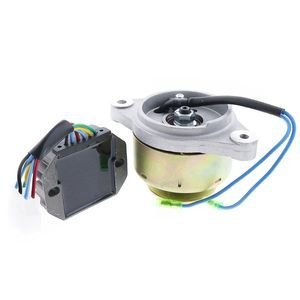
Engine Sequence Variants Verified — cross-reference list maps superseded charging numbers for Isuzu 4HK1 and 4BD1 platforms before dispatch.
Technical Specifications
| Parameter |
Value |
| Part Number |
898076-2600 |
| Product Type |
Alternator |
| Cross-Reference |
8973697140, 8980762601, 8-98076-260-0, 8-98076-260-2, 898076-2600, 8980762600, 8-98076-2602, 8980762602, LR1110-735, LR1110-735B, LR1110-735C, LR1110735, LR1110735B, LR1110735C, IZ-8980762602, IZ8980762602 (reference only) |
| Machine Fitment |
Isuzu 4HK1 Engine, Isuzu 4BD1 Engine |
| Voltage |
12V |
| Condition |
New Aftermarket |
| Bearing Type |
Sealed bearing assembly |
| Insulation Rating |
High-temperature system rated to 120°C |
| Stator |
Precision-wound stator coils |
| Warranty |
3-12 months against manufacturing defects |
| MOQ |
1 piece |
| Manufacturing Standard |
ISO 9001 |
Application Suitability
| Engine System |
Related Components |
| Charging circuit |
Voltage regulator, battery terminals, main power cable |
| Belt-drive auxiliary |
Drive belt, tensioner pulley, idler bracket |
| Engine overhaul electrical |
Starter motor, wiring harness connectors, ground straps |
| Engine bay thermal management |
Heat shields, cooling fan shroud clearance check |
Why the Alternator Keeps Failing After a Fresh Swap
The charging fault was never isolated to the alternator itself.
In mining and heavy excavation environments, I have pulled more than a few alternators off Isuzu 4HK1 engines only to find the replacement burned out within weeks. The root cause sat elsewhere: a worn tensioner letting the belt slip under load, corroded ground straps adding resistance the new unit could not compensate for, or a voltage regulator sending erratic signals. Technicians often swap the failed unit, close the ticket, and move on — then the same machine returns to the bay with identical symptoms [NEED_CITE: common causes of repeat alternator failure in heavy-duty diesel charging systems]. This 12V alternator for Isuzu 4HK1 4BD1 engine rebuild addresses the component, but lasting repair demands the whole electrical loop be verified first.

The Charging Circuit as a System, Not a Single Part
An alternator does not operate in isolation. It sits at the intersection of the belt-drive system, the battery storage circuit, and the engine wiring harness. When one of these adjacent subsystems degrades, the alternator absorbs the stress. A 12V alternator for Isuzu 4HK1 4BD1 engine rebuild must therefore be specified alongside a review of belt condition, tensioner spring force, and battery state of charge. Skipping this loop means the replacement unit inherits the same load imbalance that destroyed its predecessor.
Engine Serial Variants and Mounting Differences
Isuzu 4HK1 and 4BD1 engines span multiple generations and equipment applications, from excavators to wheel loaders. Within the same base engine family, alternator mounting ear spacing, pulley groove count, and connector pin orientation can differ between serial ranges. Confirming the exact engine serial number rules out variant-specific mismatches before the unit ships [NEED_CITE: Isuzu 4HK1 engine serial range variations across equipment OEM installations]. This verification step prevents the situation where the alternator bolts on but the harness plug sits at an impossible angle.
Reading the Specifications Against Real Operating Conditions
The sealed bearing assembly prevents dust and moisture ingress — a critical specification for engine bays exposed to silica-laden air in mining and quarrying. Standard open bearings fail prematurely under these conditions as abrasive particles penetrate the race. The high-temperature insulation system rated to 120°C addresses the thermal environment near the exhaust manifold, where ambient bay temperatures regularly exceed the thresholds of general-purpose windings. Precision-wound stator coils maintain consistent voltage output across the RPM range, preventing the voltage dips that cause electronic control modules to fault on modern equipment.
The Cost of Skipping System Diagnosis
Replacing the alternator without tracing the charging circuit fault means the underlying problem remains active. A slipping belt generates heat that transfers into the alternator bearing, degrading the grease and collapsing the seal. A high-resistance ground connection forces the alternator to work harder to maintain system voltage, overheating the rectifier bridge. These failure modes manifest as repeat warranty claims rather than single-event replacements [NEED_CITE: electrical system resistance thresholds affecting alternator service life in mobile equipment]. The downtime cost compounds when the machine goes down a second time for the same symptom.
Sourcing That Accounts for the Full Engine Electrical Picture
Our selected production lines and qualified sourced supply carry identical QC and warranty terms under one account, so an alternator ordered alongside belts, tensioners, and seal kits ships with consistent documentation. Cross-reference verification covers superseded and alternate numbers — catching cases where the number on the old unit has been replaced by a newer designation. Part identification works from a part number, machine model, or a photograph of the nameplate when the stamping is worn or painted over. Technical support confirms compatibility and grade before commitment. Sample supply is available for fitment confirmation before bulk orders proceed. Minimum order starts at one piece for emergency single-unit requirements.
Documentation & Verification
- Commercial invoice and packing list referencing alternator part number and engine compatibility
- Cross-reference sheet mapping OEM charging system numbers for identification purposes only
- Pre-shipment performance test record confirming voltage output under load
- Warranty terms covering manufacturing defects for 3-12 months
- Packing photographs documenting unit condition before crate closure
- HS code and customs documentation for international alternator shipments
Installation & Rebuild Sequence
- Verify belt-drive alignment and tensioner spring pressure before mounting the alternator
- Clean all ground strap contact surfaces to bare metal to minimize circuit resistance
- Confirm connector pin orientation matches the engine wiring harness plug
- Torque mounting bolts to engine manufacturer specification to prevent ear cracking
- Check system voltage at idle and rated RPM after installation to validate charging output
- Run the engine under electrical load for initial bedding of the bearing assembly
Before You Send the Inquiry
Provide the engine model (4HK1 or 4BD1), engine serial number, and any existing part number from the old alternator — including numbers that appear crossed out or superseded on the nameplate. If the nameplate is unreadable, a photograph of the mounting ears, pulley, and connector will support identification. Share any recent charging system fault history so the technical team can flag components that should be inspected alongside the replacement.
Frequently Asked Questions
Q: What other engine electrical components should be inspected when changing this alternator?
A: Check the drive belt for glazing and cracking, measure tensioner spring force, inspect battery terminals and main power cables for corrosion, and verify ground strap continuity. These adjacent components directly affect alternator service life. Replacing the alternator while leaving a degraded belt or high-resistance connection in place transfers the same destructive load onto the new unit.
Q: How do I confirm the correct alternator variant for my Isuzu engine serial number?
A: Provide the full engine serial number along with the existing part number. The cross-reference list covers superseded and alternate designations across Isuzu 4HK1 and 4BD1 production ranges. Variant differences in mounting ear spacing, pulley configuration, and connector type are confirmed against serial data before dispatch to prevent fitment issues on arrival.
Q: Can the alternator ship together with belt, tensioner, and auxiliary parts in one consignment?
A: Yes. Engine auxiliary components including belts, tensioners, idler pulleys, and seal kits are available from the same account under consolidated dispatch. This eliminates split freight and mismatched lead times that leave the machine waiting on one remaining item. All line items carry the same warranty terms and documentation package.
Q: What causes premature alternator failure beyond the unit itself?
A: Belt slip from worn tensioners generates heat that migrates into the alternator bearing. Corroded wiring and loose ground connections increase circuit resistance, forcing the alternator to operate beyond its designed load profile. Battery cell degradation causes the alternator to charge continuously at maximum output. Addressing these system-level faults during replacement prevents repeat failures.