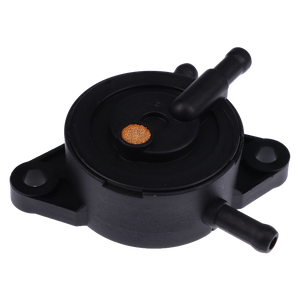
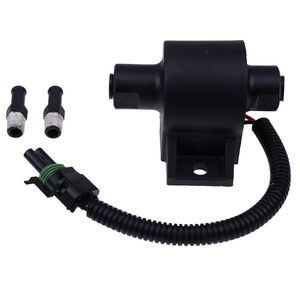
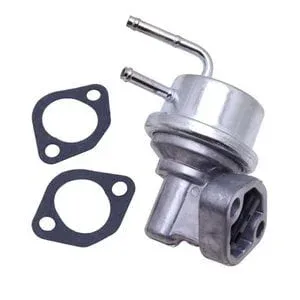
Engine Series Variants Confirmed — Cross-reference mapping verified across superseded Briggs & Stratton and multi-brand small-engine fuel pump numbers before dispatch.
Technical Specifications
| Parameter |
Value |
| Part Number |
491922, 808656, 808492, 692313, 691034, BS-491922, BS-808656, BS-597338, LG808656, M138498, M145667, 24 393 04-S, 24 393 16-S, 16700-Z0J-003, 16700-ZL8-013, 190 248 |
| Product Type |
Fuel Pump |
| Cross-Reference (reference only) |
491922, 808656, 808492, 692313, 691034, BS-491922, BS-808656, BS-597338, LG808656, M138498, M145667, 24 393 04-S, 24 393 16-S, 16700-Z0J-003, 16700-ZL8-013, 190 248 |
| Machine Fitment |
161430-0199-01, 161430-0199-02, 161432-0010-01, 161432-0010-02, 161432-0011-01 through 161432-0026-01, 580.327201 (1191-0), ZT-50, ZT-54 series |
| Type |
Vacuum-operated fuel pump |
| Fuel Line Compatibility |
Fits 1/4" fuel line |
| Fuel Compatibility |
Not compatible with fuel containing more than 10% ethanol |
| Diaphragm Material |
NBR (nitrile butadiene rubber) |
| Housing Material |
Aluminum alloy |
| Flow Rate |
0.8–1.2 L/min at 20 kPa |
| Vacuum Consistency |
±2 kPa across 1,000+ operational cycles |
| Cycle Endurance |
≥ 5,000 cycles |
| Vacuum Hold Test |
20 kPa for 60 seconds |
| Operating Temperature Range |
-10°C to +60°C |
| Dimensional Tolerance |
±0.15 mm |
| Gasket Surface Finish |
Ra ≤ 1.6 μm |
| Diaphragm Hardness |
Shore A 70±5 |
| Housing Tensile Strength |
≥ 220 MPa |
| Vacuum Testing Range |
15–25 kPa under simulated load |
| Condition |
New Aftermarket |
| Warranty |
3–12 months against manufacturing defects |
| MOQ |
1 piece |
Application Suitability
| Engine System |
Related Components |
| Horizontal-axis small engine fuel delivery |
Inline fuel filters, 1/4" fuel line sections, carburetor gaskets |
| Portable generator fuel supply |
Fuel tank sediment bowls, vacuum pulse hoses, carburetor rebuild kits |
| Zero-turn mower fuel system |
Fuel shutoff valves, fuel line clamps, air cleaner assemblies |
| Agricultural support unit fuel feed |
Fuel strainers, primer bulbs, intake manifold gaskets |
| Backup power system fuel circuit |
Fuel solenoids, pulse line fittings, carburetor mounting studs |
Why a New Vacuum Fuel Pump Fails Weeks After Installation
Replacing the pump without diagnosing upstream fuel system faults simply transfers the original failure mode to the new component.
I have spent years moving between job sites in Dubai, Riyadh, and Doha, and the pattern is consistent: a vacuum fuel pump is swapped out, the engine fires up, and within a few weeks the machine is back on the bench. [NEED_CITE: small engine fuel system root cause analysis methodology] The diaphragm did not fail on its own. Ethanol-contaminated fuel, a clogged inline filter creating excessive vacuum draw, or a cracked pulse line delivering inconsistent crankcase pressure are the actual culprits. A replacement Vacuum Fuel Pump engine rebuild replacement unit addresses the symptom. Finding the cause prevents the next teardown.
The Fuel System Context Around This Pump
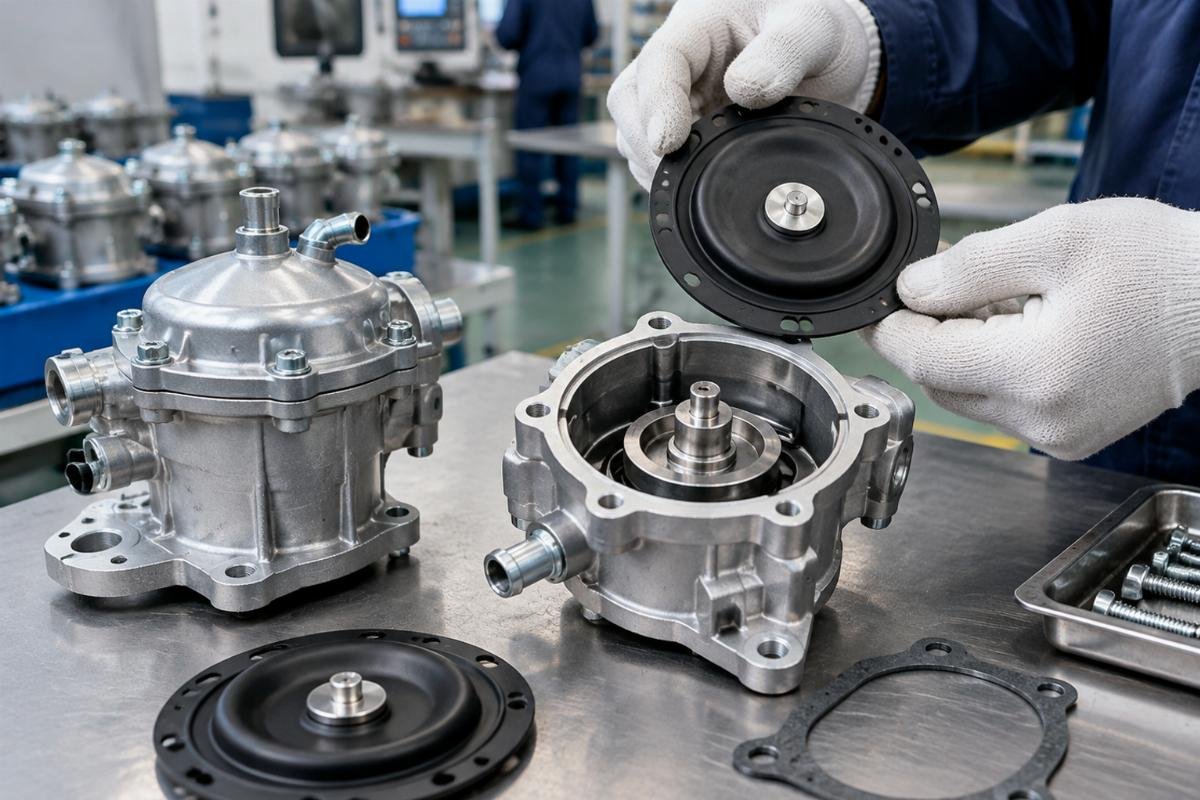
This Vacuum Fuel Pump engine rebuild replacement sits at the midpoint of a small-engine fuel delivery chain. Upstream, fuel passes through a tank pickup, sediment bowl or inline filter, and a length of 1/4" line before reaching the pump inlet. Downstream, the pump pushes fuel through a short run of line into the carburetor bowl. When the pump diaphragm ruptures or stiffens, the carburetor starves, and the engine surges or stalls under load. Evaluating every segment of that path during a pump replacement is what separates a lasting repair from a repeat visit.
Matching the Pump to Engine Serial Variants
Briggs & Stratton horizontal engines in the 161430 and 161432 families use several fuel pump configurations depending on production date and carburetor type. The same base engine model may have been fitted with different pulse-line routing or carburetor flange orientations across serial ranges. [NEED_CITE: Briggs & Stratton engine serial number decoding for parts identification] Kohler, Honda, and John Deere small engines in this cross-reference group carry their own variant distinctions. Confirming the exact engine serial number before ordering ensures the Vacuum Fuel Pump engine rebuild replacement matches the mating surface pattern, pulse port position, and fuel line orientation of the specific build.
What the Specification Sheet Actually Means in the Field
The NBR diaphragm is formulated to resist hydrocarbon fuels with ethanol content up to ten percent, which covers standard pump fuel in most markets while drawing a clear line against higher-blend fuels that accelerate rubber degradation. The aluminum alloy housing holds its flatness under the thermal cycling typical of generator enclosures and mower decks, eliminating the warpage that causes vacuum leaks in plastic-bodied alternatives. A gasket surface finish of Ra ≤ 1.6 μm removes the micro-channels where fuel weeps past the mating flange. Flow rate held between 0.8 and 1.2 L/min at 20 kPa matches the metering demand of the carburetors fitted to these engines, preventing both flooding at idle and starvation at full throttle.

The Cost of Skipping Root-Cause Diagnosis
Installing a new pump onto an engine with a blocked inline filter means the diaphragm works against higher vacuum than designed, accelerating fatigue and producing the same failure signature within a short operating window. [NEED_CITE: diaphragm fatigue failure modes in vacuum-operated fuel pumps] Running ethanol-blended fuel above the ten-percent threshold softens the NBR compound progressively, causing the diaphragm to lose its return stiffness. Either scenario sends the engine back to the workshop, doubling labor cost and eroding confidence in the repair. Checking the filter, testing fuel ethanol content, and inspecting the pulse line before fitting the replacement eliminates these repeat failures.
What This Supply Arrangement Covers
Selected part lines are produced in our own Guangzhou facility while the remainder is sourced from ISO-certified manufacturing partners, and both carry the same quality control and warranty terms. Eight product categories sit under one account, so a fuel pump, carburetor gasket set, inline filter, and seal kit ship as a single consignment rather than separate orders from separate vendors. Minimum order is one piece, which matters when a single machine is down and waiting. Part identification works from a part number, machine model, photograph, or nameplate image. Cross-reference verification covers superseded and alternate numbers across the Briggs & Stratton, Kohler, Honda, and John Deere ranges. A sample can be supplied for fitment confirmation before any bulk commitment is made.
Documentation & Verification
- Commercial invoice and packing list matching each fuel pump part number to the purchase order line
- Cross-reference sheet mapping 491922, 808656, and alternate numbers (reference only) to engine serial ranges
- Quality inspection record showing vacuum hold test at 20 kPa and flow rate verification per production batch
- Warranty terms covering manufacturing defects for 3–12 months with clear replacement procedure
- Packing photographs documenting pump condition and protective wrapping before crate closure
- HS code and customs documentation support for fuel system component export clearance
Installation & Rebuild Sequence
- Clean the carburetor mounting flange and engine block mating surface to remove old gasket residue before positioning the new pump
- Verify pulse line integrity and internal diameter match to ensure consistent crankcase vacuum signal reaches the diaphragm
- Torque mounting fasteners evenly in a crisscross pattern to maintain the ±0.15 mm dimensional tolerance across the gasket face
- Prime the 1/4" fuel line by cycling the engine without load, then check all barb connections for weeping before returning to service
Before You Send the Inquiry
Provide the full engine model and serial number from the nameplate so the correct cross-reference can be confirmed against your specific build variant. If the nameplate is worn or painted over, send a photograph of the old pump, its mounting pattern, and the carburetor flange. Share any recent fuel system work or known ethanol exposure history so the root-cause picture is complete before the replacement ships.
Frequently Asked Questions
Q: What else in the fuel system should be replaced when changing the vacuum fuel pump?
A: The inline fuel filter, fuel line sections showing cracking or swelling, and the carburetor mounting gasket should all be evaluated and typically replaced together. The pulse hose carrying crankcase vacuum to the pump must be checked for internal collapse. Replacing these adjacent items during the same job prevents the upstream fault from destroying the new pump within weeks.
Q: How do I confirm which cross-reference number applies to my engine?
A: Provide the engine model and serial number from the nameplate. The same base model may have used different pump configurations across production years. Our cross-reference verification maps your serial range to the correct variant among numbers like 491922, 808656, and 692313 (reference only), confirming port orientation and gasket pattern before dispatch.
Q: What causes this fuel pump to fail and how do I prevent repeat failure?
A: Diaphragm degradation typically traces to ethanol-contaminated fuel exceeding ten percent blend, clogged inline filters creating excessive vacuum draw, or a cracked pulse line delivering inconsistent pressure. Addressing the root cause during replacement — fresh filter, verified fuel quality, intact pulse hose — prevents the new pump from inheriting the same failure mode shortly after installation.
Q: Is the pump compatible with ethanol-blended fuel above 10%?
A: No. The NBR diaphragm is rated for hydrocarbon fuels with ethanol content up to ten percent. Higher blends progressively soften the rubber compound, reducing diaphragm stiffness and causing fuel delivery inconsistency. If your operating environment uses higher-ethanol fuel, discuss alternative diaphragm materials with our technical team before ordering.
Q: Can I order a sample to verify fitment before committing to bulk?
A: Yes. A single sample unit can be supplied for physical fitment verification against your specific engine variant. This confirms gasket surface alignment, fuel line barb orientation, and pulse port position before any larger quantity is committed, eliminating the risk of receiving a batch that does not match your fleet configuration.