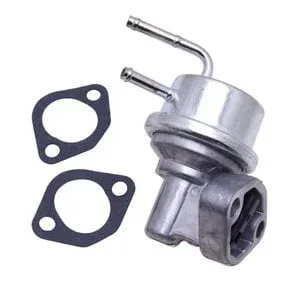
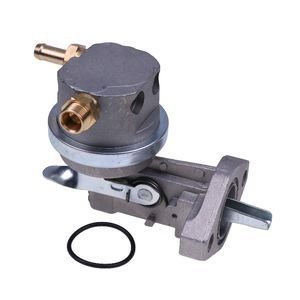
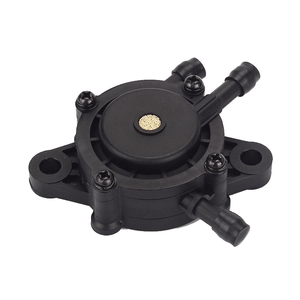
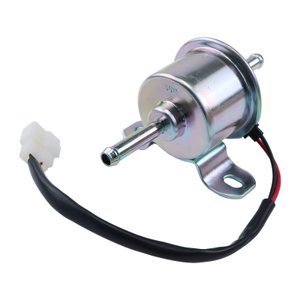
Matched system components ship together — Fuel pump AM132715 paired with verified ethanol-compatible filters and line seals for complete Kawasaki FD-series repair kits.
Technical Specifications
| Parameter |
Value |
| Part Number |
AM132715 |
| Product Type |
Fuel Pump |
| Cross-Reference |
AM132715 (reference only) |
| Machine Fitment |
FD501V, FD590V, FD611V, 240, 245, 260, 265, 285, 320, 325, 335, 345, GX345, LX172, LX173, LX176, LX178, LX186, LX188, LX277, LX279, LX289, 2243, F725 |
| Brand Compatibility |
Kawasaki Engines, John Deere |
| Condition |
New Aftermarket |
| Fuel Compatibility |
Ethanol-blended fuels (corrosion-resistant construction) |
| Check Valve |
Integrated, prevents fuel backflow and vapor lock |
| Quality Standard |
ISO 9001 |
| Testing |
100% performance testing before shipment |
| Warranty |
3-12 months against manufacturing defects |
Application Suitability
| Engine System |
Related Components |
| Kawasaki FD-series fuel delivery |
Fuel filter, fuel lines, carburetor needle valve and seat |
| John Deere LX-series tractor fuel supply |
Inline fuel filter, tank vent hose, carburetor rebuild gaskets |
| Commercial turf equipment ethanol exposure |
Corrosion-resistant fuel lines, water-separating fuel filter |
| Greens mower high-temperature operation |
Heat shield, vapor lock resistant fuel hose, check valve assembly |
Why Swapping the Pump Alone Invites Repeat Failure
A fuel pump failure is rarely the root cause — it is usually the symptom of upstream contamination or ethanol-induced corrosion in the fuel delivery system.
In workshop environments across Southeast Asia, I have documented numerous instances where a replacement fuel pump was installed, only for the unit to return within weeks suffering the same pressure drop. The underlying culprit was typically a clogged primary filter allowing particulate to score the pump diaphragm, or ethanol-blended fuel that had degraded rubber fuel lines, sending debris directly into the new pump. Addressing the fuel system as a whole prevents the costly cycle of repeated teardowns and warranty claims [NEED_CITE: fuel system contamination effects on diaphragm pump service life].

The Fuel Pump Within the Kawasaki FD-Series Delivery Circuit
This fuel pump serves as the primary pressure source for gravity-fed or vacuum-pulse fuel systems common to the Kawasaki FD501V, FD590V, and FD611V engine families. It operates downstream of the fuel tank and primary filter, delivering metered flow to the carburetor under varying engine loads. A Fuel Pump engine replacement must be evaluated alongside the condition of the fuel filter, fuel lines, and carburetor internals to ensure the root cause of the original failure is addressed.
Engine Serial Variants and Ethanol Compatibility
Kawasaki FD-series engines were produced across several generations with running changes to fuel delivery specifications, meaning an engine serial number is required to confirm the exact fuel pump variant needed. Furthermore, modern ethanol-blended fuels accelerate corrosion in older fuel system components not designed for such chemistry. This aftermarket pump is constructed with ethanol-compatible materials to resist degradation, but upstream components such as fuel lines and the carburetor float bowl must also be verified for ethanol tolerance to prevent repeat contamination [NEED_CITE: ethanol blended fuel compatibility standards for small engine components].
Pressure Output and Integrated Check Valve Function
The pump's rated flow and pressure output are calibrated to match the carburetor needle valve specifications of the compatible Kawasaki and John Deere engines. An integrated check valve prevents fuel backflow when the engine is off, maintaining prime and reducing cranking time on hot restarts. This vapor lock resistance is critical for commercial turf equipment operating in high-ambient-temperature conditions, where fuel percolation in the carburetor bowl can otherwise cause hard-starting complaints.
The Hidden Cost of Ignoring Upstream Contamination
Installing a new pump without flushing fuel lines or replacing a degraded inline filter exposes the replacement unit to the same particulate contamination that destroyed the original. In my experience supporting engine rebuild shops, this oversight leads to warranty disputes and a loss of customer confidence, as the machine returns with identical symptoms. A systematic inspection of the entire fuel circuit — from tank vent to carburetor inlet — is the only reliable method to ensure the new pump achieves its expected service life [NEED_CITE: small engine fuel system diagnostic procedures for repeat failures].
Sourcing the Complete Fuel System Repair Kit
Our facility supplies this fuel pump alongside matched fuel filters, ethanol-resistant fuel line, and carburetor overhaul gaskets under a single warranty and a single commercial invoice. Engine serial variants are cross-referenced at the point of order to confirm the correct pump specification, and sample units are available for fitment verification before bulk commitment. Technical support is available to confirm fuel delivery requirements against your specific engine build.
Documentation & Verification
- Commercial invoice listing pump part number, engine serial, and quantity.
- Cross-reference sheet confirming AM132715 interchange (reference only).
- Quality inspection record with flow rate and pressure test data.
- Warranty terms covering manufacturing defects for 3-12 months.
- Packing photographs showing kit components before crate closure.
- HS code and customs documentation for international fuel system shipments.
Installation & Rebuild Sequence
- Flush all fuel lines and replace inline filters before pump installation.
- Verify pump port orientation and pulse hose connection against old unit.
- Torque mounting fasteners to engine manufacturer specification.
- Prime system and check for leaks before carburetor installation.
- Run engine at idle to verify stable fuel pressure before load application.
Inquiry Guidance for Engine Rebuild Shops
To ensure correct system matching, please provide the Kawasaki engine model, serial number, and any known overhaul history. This allows us to confirm the exact fuel pump variant and recommend associated components such as carburetor rebuild kits and ethanol-compatible fuel line for a complete repair.
Frequently Asked Questions
Q: What other fuel system parts should I replace alongside this pump?
A: We recommend replacing the inline fuel filter, inspecting all fuel lines for ethanol degradation, and considering a carburetor rebuild kit if the machine has high hours. A complete system approach prevents contamination from reaching the new pump and causing a repeat failure.
Q: How do I confirm the correct pump for my Kawasaki engine variant?
A: Provide the engine model (e.g., FD590V) and the serial number from the engine nameplate. Serial variants exist across production runs that affect fuel delivery specifications, and we cross-reference this data to ship the correct unit.
Q: What causes fuel pumps to fail on ethanol-blended fuel?
A: Ethanol attracts moisture and accelerates corrosion in fuel system components not designed for it. This leads to debris ingestion, diaphragm degradation, and eventual pump failure. Using ethanol-compatible components throughout the system is essential.
Q: Does the overhaul kit include fuel lines and seals?
A: The fuel pump is supplied as a standalone unit, but we can configure a complete kit including fuel lines, filters, and carburetor gaskets. Specify your engine model when inquiring so we can assemble the matched set.
Q: How do I identify my engine serial number?
A: The serial number is stamped on the engine nameplate, typically located on the valve cover or crankcase. If the plate is worn, provide a clear photograph and the machine model, and our technical team will assist with identification.