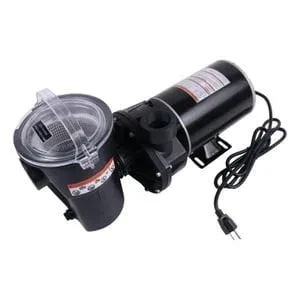
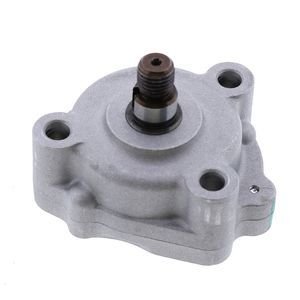
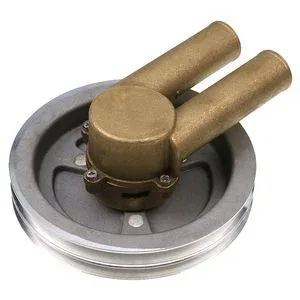
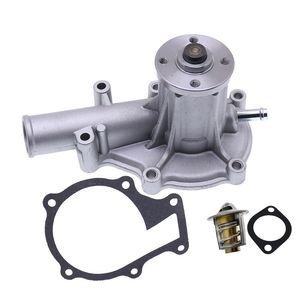
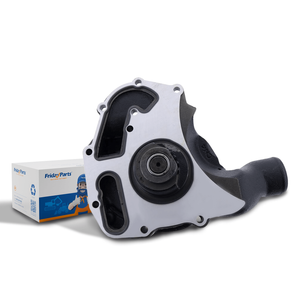
System-Matched Supply — Every seal and gasket required for a complete circulation system refresh ships with this pump unit.
Technical Specifications
| Parameter |
Value |
| Part Number |
W3SP1580X15 |
| Product Type |
Water Pump |
| Cross-Reference |
W3SP1580X15 (reference only) |
| Machine Fitment |
Hayward Power Flo LX |
| Horsepower |
1.5 HP |
| Speed Configuration |
Single-Speed |
| Application |
Above Ground Pools |
| Manufacturing Standard |
ISO-certified facility |
Application Suitability
| Engine System |
Related Components |
| Primary circulation loop |
Mechanical seals, housing O-rings, impeller wear ring |
| Filtration pressure stage |
Diffuser gasket, strainer lid O-ring, drain plug seals |
| Motor thermal management |
Shaft seal assembly, motor mount gasket, vent fittings |
When a New Pump Leaks Before the First Cycle Completes
A replacement pump that arrives without its mating seals forces a second teardown within hours of startup.
In my years around warehouse benches in the Yangtze Delta region, I have watched technicians unbox a fresh pump, bolt it into position, and fill the system only to see water weep from the shaft seal or strainer flange. The root cause is never the pump itself — it is the old, compressed O-ring or hardened mechanical seal that was reused because the kit did not include new ones. That second teardown costs more in labor and lost circulation time than the seals would have added to the initial order [NEED_CITE: pool circulation system seal replacement best practices].

Circulation System Position and Adjacent Component Dependencies
The Water Pump sits at the pressure origin of the above ground pool circulation loop. Every downstream component — filter, heater, return jet — depends on the flow rate and head pressure this single-speed 1.5 HP unit delivers. When the pump is pulled for replacement, the mechanical seal, diffuser gasket, and strainer lid O-ring have endured the same thermal cycles and chemical exposure. Replacing the Above Ground Pool Pump engine replacement W3SP1580X15 rebuild unit without refreshing these adjacent seals leaves the weakest original element as the next failure point.
Matching Seal Grades to Prior Rebuild History
Pool pumps in service for several seasons often show evidence of previous impeller or seal work. A unit that has already been opened may have non-standard O-ring sizes or an aftermarket shaft seal that differs from the original build. Before confirming the W3SP1580X15 order, I always ask whether the pump has been serviced before and whether any internal components were swapped during that service. Sending a standard seal kit to a pump that was previously fitted with an oversized impeller wear ring creates a mismatch that no amount of torque adjustment will resolve [NEED_CITE: pool pump impeller and seal grade compatibility after rebuild].
Reading the Single-Speed Hydraulic Curve Against Your Filtration Setup
The 1.5 HP single-speed motor delivers a fixed flow rate that must align with the filter vessel rating and return line diameter. If the system was originally designed around a lower horsepower unit and later upgraded, the existing plumbing may create excessive head pressure that shortens seal life. Conversely, an oversized pump pushing water through undersized lines accelerates impeller cavitation. The correct Above Ground Pool Pump engine replacement W3SP1580X15 rebuild maintains the hydraulic balance the filtration loop was engineered for, preserving both flow volume and pressure within the design envelope of the filter and heater.
The Cost of Reusing Compressed Seals on a Fresh Pump Install
Reusing an old mechanical seal on a new pump housing is the most common cause of early callback in pool service work. The carbon face of a used seal has already worn a mating pattern into its old ceramic seat; pairing it with a new shaft introduces microscopic misalignment that manifests as a slow drip within the first week. The pump then has to be drained, disconnected from plumbing unions, and opened again — a sequence that doubles the labor investment and leaves the pool without circulation for an additional day. Sourcing the complete seal and gasket set alongside the pump eliminates this predictable failure mode [NEED_CITE: mechanical seal reuse failure modes in centrifugal water pumps].
What Makes This Supply Chain Different for Pool Service Buyers
Our own production lines and qualified sourcing partners operate under a single warranty account, so the pump and its companion seals carry identical coverage terms. Eight product categories sit under one order number, meaning a circulation system refresh — pump, seals, O-rings, gaskets — consolidates into one dispatch from the Guangzhou warehouse. Minimum order starts at one piece, so a single emergency replacement does not require a bulk commitment. Part identification works from the Hayward Power Flo LX model plate, a photograph of the old label, or the cross-reference number itself. A pre-bulk sample can ship first so your team confirms fitment on the bench before the full order moves.
Documentation & Verification
- Commercial invoice listing W3SP1580X15 with HS code for customs clearance
- Cross-reference sheet noting W3SP1580X15 for identification purposes only
- Flow rate and pressure stability test record from pre-shipment inspection
- Warranty terms covering manufacturing defects with defined replacement steps
- Packing photographs showing pump unit and seal kit contents before sealing
- Dimensional check on shaft seal bore and O-ring groove before dispatch
Installation & Rebuild Sequence
- Flush the strainer basket housing and inspect the diffuser gasket seat for scoring before mounting the new pump
- Apply a thin film of pool-grade lubricant to all O-rings; never install the shaft seal dry
- Torque plumbing union nuts evenly in sequence to avoid housing distortion on the W3SP1580X15 flange
- Prime the pump housing with water before first startup to prevent dry-run damage to the new mechanical seal
- Run the unit for a full cycle and check all seal faces and union joints for moisture before closing the equipment pad
Preparing Your Inquiry for Accurate Fulfillment
Share the Hayward Power Flo LX model variant and any service history you have on file, including prior impeller or seal replacements. If the nameplate is faded, a photograph of the pump housing and motor label allows our technical team to confirm the correct seal kit contents. For fleet or service-company buyers managing multiple installations, provide the quantity and any variant differences across your units so the consolidated order ships matched to each pump build.
Frequently Asked Questions
Q: Which seals and gaskets should be replaced along with the pump?
A: The mechanical shaft seal, strainer lid O-ring, diffuser gasket, and housing drain plug seal should all be renewed when the pump is replaced. These components share the same service life and chemical exposure history. Shipping them together with the W3SP1580X15 unit prevents the most common cause of early post-install leaks.
Q: Does the Power Flo LX have build variants that need different internal parts?
A: Yes, production runs of the Power Flo LX have used slightly different impeller designs and seal configurations across model years. Confirming the specific serial range or sharing a photograph of the existing internals allows us to match the correct seal kit and wear components to your exact pump build.
Q: How do I tell if the failure was the pump or a system-level issue?
A: Inspect the old impeller for cavitation pitting and check the strainer basket for debris that could indicate suction-side restriction. A shaft seal that failed prematurely often points to dry-run conditions or misaligned plumbing rather than a defective pump. Identifying the root cause before installing the replacement prevents repeat failure.
Q: Can I order a complete circulation refresh kit instead of individual parts?
A: Yes, we consolidate the pump, mechanical seal, O-ring set, and associated gaskets into a single shipment under one order number. This approach eliminates split freight and ensures every component needed for the job arrives together, ready for a single uninterrupted installation session.
Q: What tests are performed before the pump ships?
A: Each unit undergoes a flow rate verification, pressure stability check, and operational run test at the ISO-certified facility. The inspection record covering these tests accompanies the shipment so your team has documented performance data before the pump enters service.