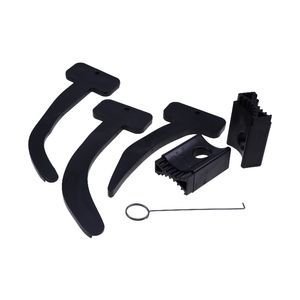
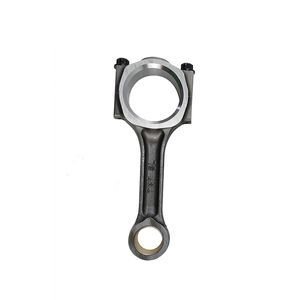
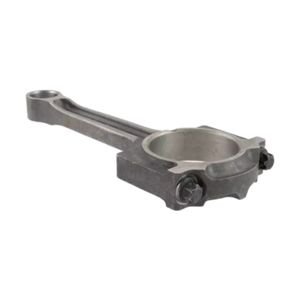
System-Matched Tooling — Shipped alongside verified timing components, overhaul gaskets, and VVT service parts for a complete 3.6L Pentastar V6 rebuild from one account.
Technical Specifications
| Parameter |
Value |
| Product Type |
Timing Tool |
| Cross-Reference |
10200A, 10202, 10369A (for identification purposes) |
| Machine Fitment |
VW Routan, Chrysler 200/300, Dodge Ram 1500/Challenger/Charger, Jeep Grand Cherokee/Wrangler (3.6L Pentastar V6) |
| Material |
High-strength alloy steel, heat-treated |
| Surface Treatment |
Black oxide coating |
| Hardness |
HRC 48–52 |
| Dimensional Tolerance |
±0.1° on contact surface angle |
| Surface Finish |
Ra ≤ 1.6 μm on load-bearing faces |
| Kit Contents |
6-piece set (wedges, phaser holder, locking tools) |
| Standard |
ISO 9001 |
Application Suitability
| Engine System |
Related Components |
| Timing Chain Service |
Phaser locking tool, tensioners, chain guides, sprockets |
| Cylinder Head Overhaul |
Head gasket set, valve cover grommets, front cover seal |
| VVT Solenoid Service |
Oil control valves, phaser gaskets, electrical connectors |
| Top-End Rebuild |
Camshaft bearings, valve stem seals, timing cover gasket |
Avoiding the Second Teardown on a 3.6L V6
When a 3.6L camshaft phaser timing tool fails to hold the camshaft precisely during chain tensioning, the timing marks drift, forcing the technician to tear down the front cover again. A precise tool paired with the correct overhaul kit prevents costly rework.
In the repair bays I have worked in, seeing an engine sit for days because a phaser wedge slipped or the gasket kit was missing a specific cam cover seal is a recurring frustration. It turns a scheduled timing chain job into an open-ended delay [NEED_CITE: automotive engine reassembly best practices for VVT systems]. The 3.6L Camshaft Phaser Timing Tool engine rebuild process demands that every locking pin and wedge matches the Pentastar architecture perfectly.

The Tool in the Context of the Valve Train
This timing tool set is not an isolated purchase; it sits at the center of the 3.6L Pentastar V6 valve train service. When the timing chain stretches or the phaser fails, the root cause often lies in oil pressure fluctuations or worn chain guides. Using this tool ensures the camshafts are locked at the exact top dead center while the new chains and tensioners are installed.
System-Level Sourcing for the Pentastar
Sourcing the tool alone is only the first step. The top-end overhaul gasket kit must be verified against the specific engine code, as the 3.6L has internal differences across model years that affect which cam cover seals and valve cover grommets are required. Missing these seals means the 3.6L Camshaft Phaser Timing Tool engine rebuild stalls mid-assembly [NEED_CITE: engine serial variant identification procedures].
Metallurgy and Contact Surface Precision
The HRC 48–52 hardness rating ensures the wedges resist deformation under the torque applied during phaser locking. The Ra ≤ 1.6 μm surface finish on the load-bearing faces is critical; a rougher finish would score the delicate mating surfaces of the camshaft sprockets. Furthermore, the ±0.1° angular tolerance on the contact surface is what separates a verified aftermarket tool from a generic replica that allows timing drift.
The Cost of Misidentified Engine Variants
Ordering a standard overhaul kit for a 3.6L without confirming the engine serial variant leads to mismatched components. If the previous rebuild involved undersized bearings or specific chain tensioner revisions, a generic kit will not seal correctly. This results in oil leaks and premature phaser failure, meaning the technician is back at the same fault within a few thousand miles [NEED_CITE: root cause analysis for timing chain wear].
Verified Compatibility Across the Rebuild
We maintain one account for both the tooling and the internal engine components. The 6-piece set is verified against the same compatibility charts as the timing chains and oil control valves we supply. This means the technical team confirms the engine code and the specific tool variant required before dispatch. We also offer sample supply so the shop can verify fitment on the bench before committing to a full fleet overhaul order.
Documentation & Verification
- Commercial invoice listing all six tool pieces and associated engine parts.
- Cross-reference sheet for OEM numbers (reference only) and engine codes.
- Dimensional inspection record for wedge angles and phaser holder mating faces.
- Warranty terms covering manufacturing defects on steel tooling and gaskets.
- Packing photographs showing the kit and associated seals in one consignment.
Installation & Rebuild Sequence
- Verify engine code to confirm the correct phaser locking procedure before starting.
- Use the black oxide-coated wedges to secure the camshafts at top dead center.
- Install new chain guides and tensioners as a matched set with the phaser tool in place.
- Torque the camshaft sprocket bolts to specification while the phaser holder prevents rotation.
- Perform an initial oil pressure test to confirm VVT solenoid and phaser operation before final assembly.
Rebuild Planning Inquiry
Provide the specific engine code and the model year of the vehicle, along with any history of previous internal repairs. This allows us to verify the correct 6-piece tool variant and match the overhaul gasket kit to your exact 3.6L build.
Frequently Asked Questions
Q: What else should I order with this timing tool for a complete 3.6L timing job?
A: For a complete job, you typically need the timing chain kit (chains, guides, tensioners), the phaser assemblies if worn, and a top-end gasket set. We supply these as a consolidated system to ensure every seal and component matches your specific engine variant.
Q: Does the overhaul gasket kit include all seals for this engine variant?
A: We verify the kit contents against your engine code. The 3.6L has variations in cam cover seals and front cover gaskets depending on the model year. We ensure the specific grommets and seals required for your build are included in the shipment.
Q: How do I confirm the engine code before ordering rebuild components?
A: You can provide a photograph of the vehicle identification plate or the stamping on the engine block. Our technical team uses this to cross-reference the internal component revisions and ensure the timing tool and parts match your engine.
Q: What caused the original timing chain failure — and what should I replace?
A: Failure often traces back to the oil control valve or a clogged oil pickup screen. We recommend inspecting the oil pump and replacing the VVT solenoids alongside the chains and phasers to address the root cause rather than just the symptoms.