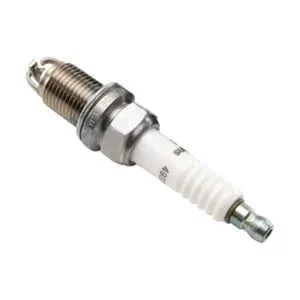
System-Matched Ignition Set — Spark Plug 4955850, 4937472, 5473010 cross-reference verified across Cummins gas engine serial variants for matched heat range and electrode gap.
Technical Specifications
| Parameter |
Value |
| Part Number |
4955850, 4937472, 5473010 |
| Product Type |
Spark Plug |
| Cross-Reference |
4955850, 4937472, 5473010 (reference only) |
| Machine Fitment |
ISB5.9G, ISC8.3, L9N, C8.3, ISL, QSL9, C GAS PLUS CM556, C8.3 G, ISB5.9G CM2180, ISC8.3 G CM2180, ISC8.3 G CM2180 C101, ISL G CM2180, L GAS PLUS CM556, L9N CM2380 L124B, QSL9 G CM558 |
| Condition |
New Aftermarket |
| Warranty |
3–12 months against manufacturing defects |
| Quality Standard |
ISO 9001 |
Application Suitability
| Engine System |
Related Components |
| Ignition System |
Ignition coils, wiring harnesses, ECU fuel trim calibration |
| Combustion Chamber |
Cylinder head gasket, valve train, piston crowns |
| Emission Control |
Catalytic converter, oxygen sensors, exhaust manifold |
| Fuel Delivery |
Gas injectors, fuel pressure regulator, fuel filter |
| Top-End Rebuild |
Head bolts, valve stem seals, rocker arm assemblies |
Why a Single Misfire Means the Whole Ignition System Needs Attention
Replacing one spark plug without diagnosing the combustion system invites repeat failure within weeks.
On Cummins gas engines running in construction and mining sites, a misfire traced to a single cylinder often signals that the entire spark plug set has reached end of life. Yet overhaul quotes routinely omit ignition components, leaving the rebuild incomplete and the root fault unresolved. I have seen engines pulled apart a second time because the ignition side was never refreshed alongside the head and fuel system work. [NEED_CITE: Cummins gas engine ignition system maintenance intervals and misfire diagnostics]
Natural gas and LPG variants of the ISB5.9G and ISC8.3 operate at different combustion temperatures. A plug specified for one fuel type may foul or overheat in the other. This is not a tolerance issue — it is a system specification mismatch that no amount of re-gapping can correct.

Where Ignition Components Sit in the Engine Rebuild Sequence
During a top-end refresh or complete overhaul of a Cummins gas engine, the spark plug set must be evaluated alongside ignition coils, wiring harnesses, and the ECU fuel trim strategy. A worn plug forces the coil to work harder, accelerating coil degradation. When planning the rebuild, treating the Spark Plug engine ignition system rebuild as a matched set replacement prevents the common scenario where new plugs fail prematurely because they are paired with aging coils delivering inconsistent voltage.
Heat Range, Electrode Gap, and the Cummins Serial Variant Problem
The Cummins gas engine lineup spans multiple control module generations — CM556, CM2180, CM2380 — each with distinct ignition timing maps and combustion chamber temperatures. A spark plug that performs correctly in an ISC8.3 G CM2180 may run too hot in an L9N CM2380 L124B, leading to pre-ignition and piston crown damage. The electrode gap must match the coil output specification for that exact engine serial range. Ceramic insulator composition determines resistance to carbon fouling, which progresses differently in gas engines compared to diesel counterparts due to cleaner but hotter combustion. [NEED_CITE: Cummins gas engine serial variant ignition specification differences]
Reading the Specs That Actually Matter for Gas Engine Ignition
The three cross-reference numbers — 4955850, 4937472, 5473010 — represent different spark plug specifications within the Cummins gas engine family. Each carries a specific heat range suited to particular engine variants and fuel types. The electrode material and gap dimension directly affect spark energy and combustion initiation timing. Ceramic insulator integrity determines how well the plug resists thermal shock during load transitions common in construction equipment duty cycles. Thread reach must match the cylinder head depth to ensure the spark occurs at the correct position within the combustion chamber. Incorrect reach causes the electrode to sit too deep or protrude too far, both of which disrupt flame propagation and increase the risk of piston contact.
The Hidden Cost of Mixing Ignition Component Sources
When spark plugs are sourced separately from coils and wiring, mismatched specifications compound. A plug with the correct thread but wrong heat range will not fail immediately — it degrades gradually, causing intermittent misfire that is difficult to diagnose. On a mining site running Cummins L9N engines, this means repeated troubleshooting sessions, lost production hours, and eventually a full cylinder head inspection to rule out valve or piston damage. The cost of the mismatched plug itself is negligible compared to the cumulative downtime and labor spent chasing a fault that proper system-level matching would have prevented. [NEED_CITE: gas engine misfire diagnostic procedures and downstream component damage]
Why Sourcing Ignition Components Through This Channel Works
Own production on selected lines and qualified sourced supply operate under one account and one warranty, so spark plugs and adjacent ignition components carry consistent quality terms. Eight product categories mean a complete ignition system refresh — plugs, coils, seals, gaskets — ships as one consignment rather than fragmenting across multiple suppliers. Minimum order from one piece supports emergency single-cylinder repairs without forcing unnecessary bulk purchases. Part identification works from the engine model, serial number, or a photograph of the existing plug when the marking is worn. Cross-reference verification covers superseded and alternate numbers across the CM556, CM2180, and CM2380 generations. The technical team confirms heat range and electrode specification against the exact engine variant before shipment.
Documentation & Verification
- Commercial invoice and packing list itemizing each spark plug variant by engine fitment
- Part compatibility sheet cross-referencing 4955850, 4937472, 5473010 to specific Cummins serial ranges (reference only)
- Quality inspection record confirming electrode gap measurement and conductivity test
- Warranty terms covering manufacturing defects with stated claim procedure
- Packing photographs showing plug condition and protective packaging before dispatch
- HS code and customs documentation support for international ignition component shipments
Installation & Rebuild Sequence
- Verify cylinder head surface is clean and thread ports are free of carbon deposits before installing new spark plugs
- Apply correct torque specification per Cummins service manual to avoid thread damage or heat transfer issues
- Confirm electrode gap matches the specification for your exact engine serial variant before installation
- Replace ignition coils and inspect wiring harness connectors when the full plug set is being renewed
- Run initial start-up and monitor for misfire codes across all cylinders during the first operating cycle
Requesting the Right Ignition Components for Your Engine
Provide the Cummins engine model, serial number, and control module generation (CM556, CM2180, or CM2380) so the correct spark plug variant can be confirmed. If the existing plug markings are illegible, a photograph of the plug body and electrode end allows cross-reference verification. Share any recent rebuild history or previous oversize work so the ignition specification accounts for the current engine configuration.
Frequently Asked Questions
Q: What other ignition or fuel system components should be checked when changing spark plugs on a Cummins gas engine?
A: Ignition coils should be tested for output consistency, wiring harness connectors inspected for corrosion or heat damage, and the ECU fuel trim values reviewed. Gas injectors and the fuel pressure regulator affect combustion quality and can mask or mimic spark plug faults. Replacing plugs without checking these adjacent components risks repeat misfire within a short operating window.
Q: How do I confirm the correct spark plug variant for my specific Cummins engine serial number?
A: Provide the full engine serial number and control module designation. The cross-reference numbers 4955850, 4937472, and 5473010 correspond to different heat ranges and electrode specifications across Cummins gas engine variants. Verification against the service manual ensures the plug matches the combustion temperature profile for your exact engine build.
Q: Are these plugs suitable for both natural gas and LPG Cummins engine variants?
A: Natural gas and LPG applications have different combustion temperatures and require specific heat range selections. The ISB5.9G, ISC8.3 G, and L9N variants each have designated plug specifications. Confirm the fuel type and engine model so the correct variant from the cross-reference range is supplied for your application.
Q: What engine fault conditions beyond worn plugs can cause misfire, and how do I diagnose them?
A: Failing ignition coils, degraded wiring harness insulation, incorrect fuel pressure, and leaking intake gaskets all produce misfire symptoms. Systematic diagnosis involves checking coil output per cylinder, verifying injector flow, and scanning for ECU fault codes before concluding the plugs are the root cause. Replacing plugs alone will not resolve faults originating elsewhere in the combustion system.