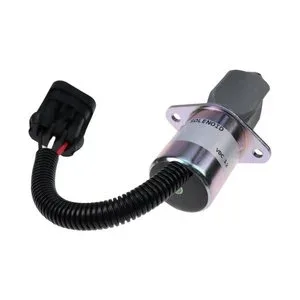
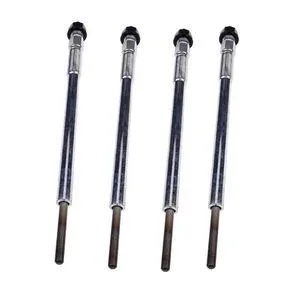
Matched Set Dispatch — Solenoid verified against engine serial variant before inclusion in a consolidated fuel system kit.
Technical Specifications
| Parameter |
Value |
| Part Number |
6681513 |
| Product Type |
Stop Solenoid |
| Cross-Reference |
6681513 (reference only) |
| Machine Fitment |
751, 753, 763, 773, 5600, 7753, S150, S160, S175, S185, T190, 325, 328, 331, 334, 337, 341 |
| Voltage |
12V |
| Condition |
New Aftermarket |
| Warranty |
3-12 months against manufacturing defects |
| Standard |
ISO 9001 |
Application Suitability
| Engine System |
Related Components |
| Fuel Shutoff Control |
Injection pump, fuel lines, electrical harness connectors |
| Engine Start/Stop Circuit |
Ignition switch, relay, wiring harness terminals |
| Emergency Shutdown System |
ECU signal interface, fuel rack linkage |
| Scheduled Overhaul |
Complete fuel system seal kit, gasket set, filter elements |
Why Engines Still Fail to Shut Down After Solenoid Replacement
The root cause often lives upstream in the signal path, not in the solenoid coil itself.
When an engine refuses to shut down cleanly or will not restart after a fuel system service, the 12V stop solenoid engine rebuild teams replace first is frequently not the failed component. The fault can originate from ECU signal interference, a degraded relay contact, or a harness connector that has corroded inside the insulation sheath. I have seen machines come back to the workshop twice because the diagnosis stopped at the solenoid terminal. Checking the full signal chain before teardown avoids the repeat visit [NEED_CITE: electrical diagnostic sequence for diesel engine shutoff circuits]. Across a mixed fleet, the machines that present the most stubborn shutoff faults tend to be those with the highest vibration exposure, where connector fretting accelerates beyond normal intervals.

Where the Stop Solenoid Sits in the Fuel Control System
The stop solenoid serves as the electrical-to-mechanical interface within the fuel delivery system. It receives a 12V signal from the ignition circuit and actuates a plunger that either permits or blocks fuel flow to the injection pump. During a 12V stop solenoid engine rebuild workflow, this component must be evaluated alongside the injection pump rack position and the harness connector integrity, because any fault in those adjacent systems will produce the same shutoff failure symptom.
Engine Serial Variants That Change the Fitment Picture
Different engine serial ranges within the same machine model can carry distinct fuel system configurations. A Bobcat S185 from an earlier production run may use a different connector pinout or plunger stroke length compared to a later unit, even though the base machine model is identical. We verify engine serial number and fuel system variant before confirming compatibility, because shipping by machine model alone has led to misfit parts on more than one occasion [NEED_CITE: engine serial variant differences in fuel shutoff solenoid specifications]. The copper coil winding and heat-resistant insulation are rated for sustained engine bay temperatures, but the physical interface must match precisely.
Reading the Specification Sheet Against Actual Operating Conditions
The 12V rating defines the nominal activation voltage, but in practice the charging system on a skid steer can push voltage higher during operation. The copper coil construction provides stable activation across this range without thermal degradation. The precision-machined plunger housing maintains fuel system seal integrity under repeated cycling, which matters because the solenoid actuates every time the engine starts and stops. Heat-resistant insulation around the coil winding prevents breakdown in the sustained high-temperature environment of an enclosed engine compartment, where ambient air movement is limited compared to open-frame equipment.
What Happens When the Wrong Variant Goes In
A solenoid that physically threads into the housing but carries the wrong plunger stroke or connector pinout will either fail to seal the fuel passage or fail to open it fully. The result is an engine that cranks but will not start, or one that runs but cannot be shut off through the key switch. Diagnosing this after installation means pulling the unit back out, inspecting the fuel rack for damage from partial engagement, and then waiting for the correct part. For a rebuild shop with a machine occupying a bay, that repeat teardown represents lost capacity [NEED_CITE: cost of misdiagnosis in diesel fuel system component replacement].
How This Supply Chain Works for Rebuild Shops
Own production on selected fuel system lines and qualified sourced supply on the remainder operate under one account and one warranty, so a stop solenoid and its matched injection pump seals carry the same QC terms. Eight product categories allow a complete overhaul list to ship as one consignment rather than split across multiple vendors. Minimum order starts at one piece for emergency single-unit repairs. Guangzhou warehouse stock supports fast dispatch on common items, and part identification works from a part number, machine model, photograph, or nameplate image. Cross-reference verification covers superseded and alternate numbers, and sample supply is available for fitment confirmation before bulk commitment.
Documentation & Verification
- Commercial invoice listing each fuel system component with individual line detail
- Cross-reference sheet marking superseded solenoid numbers as reference only
- Quality inspection record covering voltage activation test and plunger stroke measurement
- Warranty terms specifying coverage period and manufacturing defect scope
- Packing photographs showing solenoid connector protection during transit
- HS code and customs documentation formatted for fuel system component classification
Installation & Rebuild Sequence
- Inspect the injection pump mounting face and fuel passage for debris before inserting the new solenoid plunger assembly
- Confirm electrical harness connector pins are clean and free of corrosion before mating to the solenoid terminal
- Verify plunger stroke length against the specification for the specific engine serial variant before final tightening
- Perform a bench activation test at 12V to confirm plunger travel before installing the solenoid into the fuel system housing
- Run the engine through three complete start-stop cycles after installation to verify shutoff response timing
Requesting a Compatibility Check
Send the engine model, serial number, and any previous overhaul records so the correct fuel system variant can be confirmed. If the existing solenoid is still on the machine, a photograph of the connector and nameplate helps verify the cross-reference before shipping. For fleet-level overhaul planning, include the machine count and typical duty cycle to receive matched component recommendations.
Frequently Asked Questions
Q: What other fuel system components should be inspected when replacing this stop solenoid?
A: The injection pump rack, fuel line fittings, harness connector terminals, and relay contacts should all be checked during the same service event. A worn rack or corroded connector will replicate the shutoff failure even with a new solenoid installed. Inspect these during the same teardown to avoid a second bay visit.
Q: Does this solenoid fit all engine serial variants for the listed Bobcat machine models?
A: Not universally. Engine serial ranges within models like the S175 or 331 can carry different connector pinouts or plunger stroke lengths. Provide your engine serial number so we verify the exact variant before dispatch. This step prevents fitment issues that machine model alone cannot resolve.
Q: How do I confirm whether the solenoid or the injection pump is causing the shutoff failure?
A: Apply 12V directly to the solenoid terminals with the engine off and listen for the plunger click. If the solenoid actuates but the engine still will not shut off when reconnected to the machine harness, the fault likely sits in the signal path or pump rack. This isolates the component before committing to a full teardown.
Q: What testing validates the solenoid before and after installation?
A: Before installation, a bench test at rated voltage confirms plunger travel and return spring function. After installation, three consecutive start-stop cycles verify that the engine shuts down within the expected timeframe under normal operating temperature. Both steps should be documented in the quality record.
Q: Can I order matched fuel system overhaul components in a single consignment?
A: Yes. Solenoids, seal kits, gasket sets, and filters ship together under one account with unified warranty terms. Consolidating the order into one shipment avoids split freight costs and ensures all components arrive before the rebuild begins, keeping the machine bay productive.