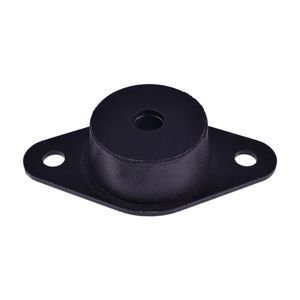
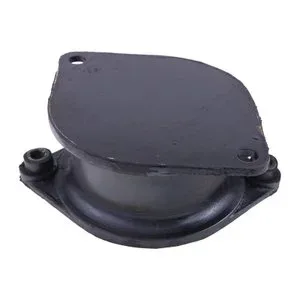
Matched Engine Auxiliary Sets — Verified engine serial variant coverage ensures this cushion damper arrives alongside the correct mounts and isolators for your specific Bomag roller build.
Technical Specifications
| Parameter |
Value |
| Product Type |
Cushion Damper |
| Part Number |
06129902 |
| Cross-Reference |
06129901 (reference only), 06129902 (reference only) |
| Machine Fitment |
Bomag BW90, BW100, BW120, BW124, BW141, BW145, BW151, BW160, BW161 AC-4(AD-4), BW166, BW174, BW177, BW179, BW180, BW184, BW202, BW203, BW211, BW212, BW212D, BW213, BW214, BW216, BW218, BW219, BW220, BW225, BW226, BW266 AD, BW278 AD, BW284, BW177PHD-3, BW212D-3, BW213D-3, BW214D-3, BW216D-3, BW216D-4, BW219DH-3, BW219DH-4, BW225D-3 |
| Material |
High-elasticity natural rubber compound |
| Shore A Hardness |
65±3 |
| Dimensional Tolerance |
±0.3 mm |
| Operating Temperature Range |
-20°C to +70°C |
| Condition |
New Aftermarket |
| Warranty |
3–12 months against manufacturing defects |
| MOQ |
1 piece |
| Standards |
ISO 9001, ISO 13715:2018, ISO 10816-3 |
Application Suitability
| Engine System |
Related Components |
| Full engine rebuild on Bomag vibratory rollers |
Engine mounts, vibration isolators, frame connection hardware, adjacent gaskets |
| Single-system auxiliary damping circuit repair |
Damper buffer, mounting fasteners, associated seal kits |
| Preventive fleet maintenance for BW series rollers |
Matched damping component sets, overhaul kit consumables |
| Engine swap or exchange on compactors |
Cushion damper, bell housing isolators, exhaust flex joints |
Why Rebuilds Fail When the Cushion Damper Is Replaced Alone
A swapped buffer that ignores the fatigued mount beside it simply transfers the failure downstream.
In field experience with Bomag BW216 and BW225 units returning to the workshop with shattered auxiliary dampers just weeks after a rebuild, the pattern is consistent. The Cushion Damper engine rebuild replacement for Bomag rollers absorbs high-frequency vibration at the drum-to-frame interface, but it does not work in isolation. When engine mounts have already yielded or vibration isolators have hardened past their service window, the new damper inherits a load profile it was never designed to carry alone. Rebuild shops that treat the buffer as a line-item swap rather than a system-level component regularly see secondary failures migrate into hydraulic line fatigue, sensor drift, and cracked sub-frame welds [NEED_CITE: vibration-induced secondary failure modes in heavy compaction equipment].
The Damping Circuit Within the Engine Auxiliary System
This cushion damper sits at a critical junction in the engine auxiliary system, where vibratory energy from the compaction drum travels back through the frame into the engine bay. It works in concert with primary engine mounts and secondary vibration isolators to create a tuned damping envelope. When any one element in that envelope degrades, the remaining components absorb disproportionate load. During a full engine system rebuild on Bomag vibratory rollers, inspecting the entire auxiliary damping circuit — not just the visibly failed buffer — prevents the new Cushion Damper engine rebuild replacement for Bomag machines from entering service already compromised by adjacent wear.
Engine Serial Variants and the Mounting Interface
Bomag BW series rollers have seen multiple engine platform transitions across model generations. A BW161 AC-4 may carry a different engine block configuration and mount geometry than a BW161 AD-4, even though the base machine designation appears similar. The cushion damper mounting bore spacing and flange profile must match the specific engine serial variant installed. Rebuild shops working on units that have undergone prior engine exchanges need to verify the current engine identity rather than relying on the machine nameplate alone [NEED_CITE: engine serial variant identification protocols for compaction equipment overhaul].
Material Properties That Matter Under Compaction Load
The high-elasticity natural rubber compound used in this cushion damper is sulfur-cured with carbon black reinforcement, a formulation chosen for sustained recovery across thousands of compression cycles per operating hour. The Shore A hardness of 65±3 places the compound in a range that balances isolation stiffness with load-bearing capacity — too soft and the engine shifts under dynamic braking, too hard and vibration transmits directly into the block and head gasket surfaces. The ±0.3 mm dimensional tolerance on mounting bores and flange surfaces ensures direct interchangeability with cross-reference assemblies without requiring shimming or reaming on the bench. Operating across the -20°C to +70°C range covers the thermal environment inside a roller engine bay during sustained asphalt compaction work in both temperate and tropical job site conditions.

The Cost of Skipping Root-Cause Inspection
Replacing a degraded cushion damper without diagnosing why it failed prematurely sets the stage for repeat visits. Hardened engine mounts that have lost their damping capacity shift resonance frequencies into the auxiliary system, accelerating buffer compression-set and eventual tearing. Hydraulic hoses routed near the damper interface develop micro-fissures from transmitted vibration, leading to leaks that shut down the machine weeks after the rebuild was signed off. Fleet operators running multiple BW200-series rollers accumulate meaningful unplanned downtime when the same root cause cycles through the fleet unchecked [NEED_CITE: root-cause analysis methodology for recurring vibration component failures].
Why Engine Rebuild Shops Source This Component Here
Selected production lines are manufactured in-house while remaining part numbers are sourced from qualified ISO-certified partners, both carrying identical quality control and warranty terms on a single account. A cushion damper ordered alongside matched overhaul gaskets, bearing shells, and seal kits ships as one consignment under one warranty reference, eliminating the split-freight problem that delays machine release. The technical team verifies cross-reference interchangeability between 06129901 and 06129902 against your specific engine serial number before dispatch, reducing fitment risk on units with prior engine exchanges. Sample units are available for bench-fitment confirmation before bulk commitment, letting rebuild shops validate bore alignment and flange seating on a representative engine block. Quality inspection records include batch-level compression-set testing and Shore A hardness verification, providing traceable documentation for shops operating under audited maintenance programs [NEED_CITE: quality traceability requirements for aftermarket engine components in certified repair facilities].
Documentation & Verification
- Commercial invoice and packing list referencing cushion damper part number and batch
- Cross-reference sheet covering 06129901 and 06129902 interchangeability marked reference only
- Batch-level compression-set and Shore A hardness inspection records
- Warranty terms covering part replacement under normal compaction operating conditions
- Packing photographs showing anti-vibration foam protection before crate closure
- HS code and customs documentation support for international engine parts shipments
Installation & Rebuild Sequence
- Clean engine mount mating surfaces to bare metal before positioning the cushion damper flange
- Verify mounting bore alignment with a straight-edge across all fastener points prior to torquing
- Torque fasteners in the specified cross-pattern sequence to avoid pre-loading the rubber compound
- Inspect adjacent vibration isolators for compression-set and replace as a matched set where degradation is found
- Run the engine at idle for the initial warm-up cycle and recheck fastener torque before returning to compaction service
Requesting a Fitment-Verified Quote
Provide the engine model designation, engine serial number, and any prior engine exchange history to confirm which cushion damper variant suits your Bomag roller. If the machine nameplate is worn or painted over, a photograph of the existing damper mounting flange and adjacent engine mount allows the technical team to verify compatibility. For rebuild shops planning a matched overhaul kit, sharing the full job list enables consolidated sourcing across engine auxiliary, gasket, and seal categories in a single shipment.
Frequently Asked Questions
Q: What other engine auxiliary components should be inspected when the cushion damper fails?
A: Primary engine mounts, secondary vibration isolators, frame connection fasteners, and any hydraulic lines or sensors routed near the damper interface should all be examined. A cushion damper rarely fails in isolation — adjacent components that have hardened or fatigued are typically transferring excess load into the buffer. Addressing the full damping circuit during a rebuild prevents the new part from inheriting the same failure cycle.
Q: How do I confirm which cross-reference number applies to my Bomag roller engine variant?
A: Supply the engine serial number and the machine model from the data plate. Bomag BW series rollers have seen engine platform changes across generations, so the machine model alone may not determine whether 06129901 or 06129902 is the correct reference. The technical team verifies interchangeability against your specific engine build before confirming the order.
Q: What system-level issues cause premature cushion damper failure beyond normal wear?
A: Hardened engine mounts, misaligned sub-frame connections, and engines that have been exchanged without matching the original damping specifications all transfer abnormal resonance into the auxiliary buffer. Operating the roller with worn drum bearings or unbalanced vibratory motors also elevates the vibration envelope beyond what the damper compound is designed to absorb over a normal service interval.
Q: Can I receive a sample cushion damper to validate fitment before ordering for the fleet?
A: Sample units are supplied for bench-fitment confirmation against a representative engine block. This allows rebuild shops to verify bore alignment, flange seating, and fastener reach before committing to a bulk consignment. Sample lead times and dispatch arrangements are confirmed at the time of the initial inquiry.