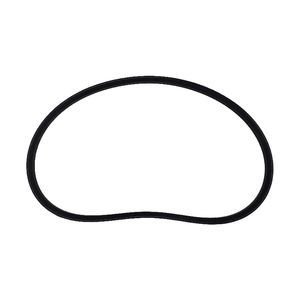
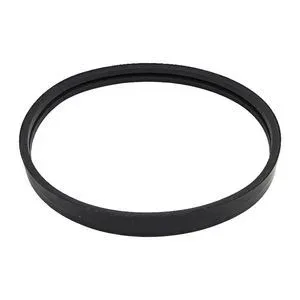
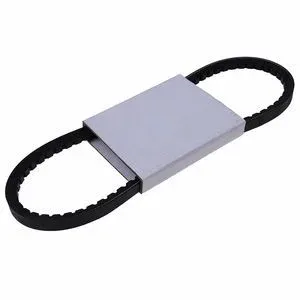
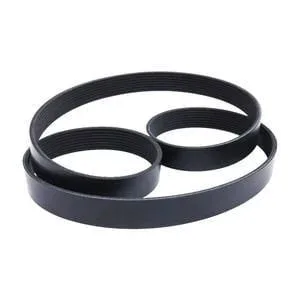
Confirmed Engine Variant — Belt routing verified against specific engine serial number to ensure pulley alignment before dispatch.
Technical Specifications
| Parameter |
Value |
| Part Number |
REMF-1345 |
| Cross-Reference |
REMF1345 (reference only) |
| Product Type |
Belt |
| Machine Fitment |
320D, 320D2, 323D, 325D, 330D, 330D2, PC200-7, PC200-8, PC210-8, PC220-7, PC220-8, PC240-8, EC300D, EC350D, EC460D, EC480D, R210W-9A, R220W-9A, R250W-9A, R290W-9A, DX225LC-5, DX255LC-5, DX300LC-5, DX340LC-5, SY215C, SY235C, SY265C, SY365H, XE215C, XE235C, XE265C, XE370CA |
| Brand Compatibility |
Fits CAT, Komatsu, Volvo, Hyundai, Doosan, Sany, XCMG engines |
| Material |
High-tensile synthetic rubber compound with polyester cord reinforcement |
| Continuous Operating Temperature |
110°C |
| Condition |
New Aftermarket |
| Standards |
ISO 9001, ISO 4184, SAE J1459 |
| Warranty |
6-month warranty against manufacturing defects |
| MOQ |
1 piece |
Application Suitability
| Engine System |
Related Components |
| Cooling System |
Fan hub, water pump pulley, crankshaft damper |
| Accessory Drive |
Alternator mounting bracket, A/C compressor clutch |
| Tensioning Assembly |
Automatic belt tensioner, manual adjustment idler |
| Thermal Management |
Radiator fan shroud, coolant thermostat housing |
Why the Fan Belt Dictates the Overhaul Sequence
A snapped fan belt engine cooling system replacement is rarely an isolated failure. It is usually the final link in a chain of neglected adjacent components. When a belt fails, the immediate casualty is the fan, but the secondary damage—warped cylinder heads from rapid overheating—turns a scheduled maintenance task into a complete top-end rebuild [NEED_CITE: thermal shock effects on cast iron cylinder heads in heavy duty diesel engines].
The belt is the cheapest part of the cooling system; ignoring its condition guarantees the most expensive repair.
In my experience, operators often see the belt as a consumable that can run until it breaks. This logic fails because the belt drives the primary heat rejection mechanism. When it slips, coolant temperature spikes before the operator notices the gauge moving, especially in high-ambient quarry environments where the machine is already running near its thermal limit. I once saw a PC200-8 shut down in the Atacama region because a tensioner pulley bearing seized; the belt shredded in minutes, and the resulting heat soak damaged the head gasket. The belt was fine; the system around it was not.
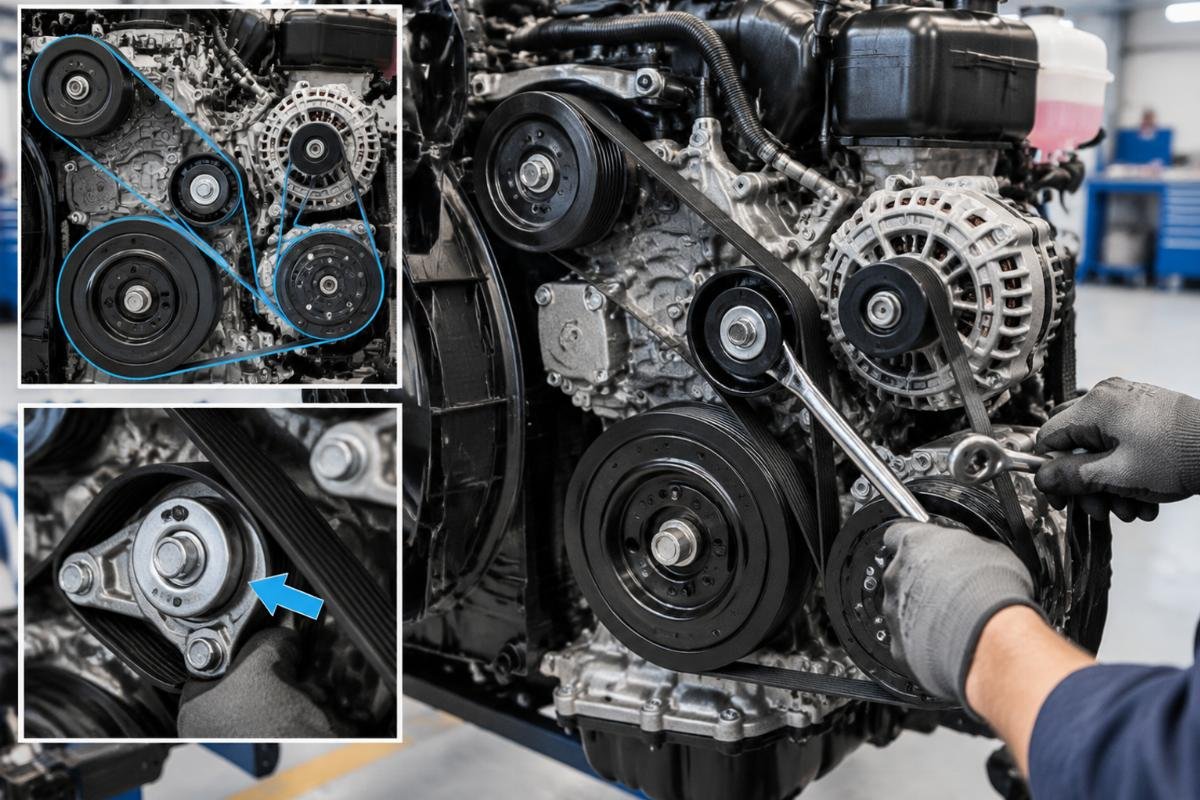
The System Context for Belt Drive Failures
A fan belt engine cooling system replacement must be viewed as a system-level intervention. The belt transmits torque from the crankshaft to the fan and often the water pump. If the water pump bearing is developing play, it introduces a lateral load that saws through the belt sidewall. Similarly, a fan clutch that is dragging or failing to disengage properly places a continuous high-torque load on the belt, accelerating cord fatigue.
When we supply this belt, we treat it as the final component to install after the entire drive path has been verified. The polyester cord reinforcement is designed to resist elongation under heat, but it cannot compensate for a misaligned pulley. If the alternator bracket has shifted or the motor mount has sagged, the belt will track incorrectly and wear through on one edge within hours. [NEED_CITE: belt tracking and alignment tolerances for heavy equipment accessory drives].
Engine Serial Variants and Routing Differences
The identifier REMF-1345 covers a wide range of excavators, from the CAT 320D series to the Komatsu PC200-8 and Sany SY215C. However, the physical length and rib profile can vary depending on the specific engine build date and the presence of auxiliary pumps. A machine configured for high-altitude operation might use a different fan hub ratio, requiring a different belt tension spec.
We verify the engine serial number, not just the machine model. A PC200-8 might be fitted with a SAA6D107E-1 or a variant depending on the production year and emission tier. The routing path around the idler pulleys changes between these variants. Sending the wrong length belt based on a generic model lookup results in a belt that is either too tight—overloading the tensioner spring—or too loose, causing immediate slip and squeal under load. This is why we cross-reference the serial plate before confirming fitment.
Decoding the Material Specs for High-Heat Environments
The continuous operating temperature rating of 110°C is critical for the engine bay environment. Modern turbocharged diesels run significantly hotter than older naturally aspirated blocks. The synthetic rubber compound used here includes anti-ozone additives. Ozone attacks the unsaturated bonds in standard rubber, causing micro-cracking on the belt back that eventually reaches the tensile cords.
The dimensional tolerance of ±0.3 mm ensures the belt seats correctly in the pulley grooves. If a belt is too narrow, it bottoms out in the groove and loses traction; if too wide, it rides high and wears the sidewalls. The polyester cord provides the necessary tensile strength to handle the shock load of a fan clutch engaging suddenly. [NEED_CITE: material degradation rates of EPDM vs synthetic blends in under-hood applications].

The Hidden Cost of Ignoring Root Causes
Replacing the belt without inspecting the tensioner and idlers is a guarantee of premature failure. A worn tensioner cannot maintain the correct span tension, causing the belt to flap and jump teeth on the fan pulley. This leads to the fan stopping intermittently, causing unexplained temperature spikes that the operator cannot diagnose.
I have seen fleets replace belts every few weeks, blaming the part quality, when the real issue was a glazed pulley surface from oil contamination or a bent fan blade creating an imbalance. A new belt fitted to a contaminated system will slip immediately. The cost of the downtime to swap the belt again far exceeds the cost of a new tensioner kit or a pulley cleaning during the initial service.
Why Procurement Verification Matters Here
We support the identification process with more than just a catalog number. If the nameplate is worn or painted over, a photograph of the old belt or the pulley arrangement allows our technical team to confirm the routing and length. We supply matched sets where the belt, tensioner, and idler are verified to work together as a system.
Our stock in Guangzhou allows for immediate dispatch of these critical cooling system components. Whether you need a single emergency replacement or a bulk order for a fleet overhaul, the quality inspection record covers dimensional checks and tensile testing. We do not just ship a belt; we confirm it fits the specific engine variant in your machine. [NEED_CITE: aftermarket vs OEM fitment verification protocols].
Installation & Rebuild Sequence
- Clean all pulley grooves with solvent to remove oil and rubber debris before fitting the new REMF-1345 belt.
- Inspect the fan hub bearing for axial play; excessive play will destroy the new belt sidewall immediately.
- Verify the automatic tensioner indicator mark is within the cast range; replace the tensioner if it is out of limits.
- Route the belt according to the specific engine diagram, ensuring no twisting between the crank and fan pulleys.
- Run the engine at idle for 10 minutes to seat the belt, then re-check tension and alignment marks.
- Confirm the fan clutch engages and disengages correctly to prevent shock loading the new polyester cords.
Requesting a System-Level Quote
To ensure you receive the correct belt and associated hardware, please provide the engine serial number and the machine model. If the engine has been rebuilt or swapped, note the rebuild date and any non-standard components fitted. Photographs of the current routing and the tensioner position help us confirm if adjacent parts need inclusion in the shipment.
Frequently Asked Questions
Q: What other cooling system components should I inspect when changing this fan belt?
A: You must inspect the automatic tensioner assembly, idler pulleys, and the fan hub bearing. A failing water pump seal can leak coolant onto the belt, causing slip and rapid degradation. We recommend replacing the tensioner and idlers as a matched set with the belt to ensure consistent system tension and prevent premature failure of the new component.
Q: How do I confirm the correct belt length for my specific engine serial variant?
A: Machine models like the PC200-8 or 320D can have different engine builds depending on the production year. We require the engine serial number to verify the exact routing path and pulley configuration. Providing a photo of the engine dataplate or the old belt's part number allows us to cross-reference the correct length and profile against our fitment database.
Q: What causes the belt to fail prematurely besides normal wear?
A: Premature failure is usually caused by misaligned pulleys, a seized tensioner, or oil contamination from a leaking valve cover or crank seal. Glazing on the belt sides indicates slip due to low tension or worn grooves. We advise checking the entire accessory drive path for leaks and bearing play before installing the replacement belt.
Q: Can I order the belt and tensioner together as a matched kit?
A: Yes, we supply matched kits that include the fan belt, tensioner, and idler pulleys verified for compatibility. This ensures all wear items in the drive system are replaced simultaneously, restoring the system to factory specifications. This approach eliminates the risk of a new belt failing due to a worn tensioner spring or bearing.
Q: How do I verify the belt tension is correct after installation?
A: Most modern excavator engines use an automatic tensioner with a cast indicator mark on the housing. The tensioner arm pointer must sit within the specified range marks when the belt is fitted. If the pointer is outside this range, the belt is either the wrong length or the tensioner is worn out and requires replacement.